Flexibility is often associated with effort, discipline, and rigorous practice, but it can also be approached in a calm, relaxed manner.
A relaxed path toward flexibility focuses on gradual progress, mindful awareness, and consistency rather than intensity or perfection.
By embracing a gentle approach, individuals can integrate flexibility into their daily routines in a way that feels enjoyable and sustainable, promoting both physical well-being and mental ease.
The first step on this relaxed path is cultivating patience. Flexibility, whether physical, mental, or emotional, develops over time. Expecting immediate results can lead to frustration, while a patient approach encourages steady improvement. Each small stretch, adjustment in perspective, or mindful practice contributes to growth. By allowing progress to unfold naturally, individuals create a supportive environment where flexibility becomes a positive, reinforcing habit rather than a source of stress.
Mindfulness is a cornerstone of relaxed flexibility. Paying attention to the body’s signals, thoughts, and emotions enhances awareness and prevents overexertion or burnout. When practicing physical flexibility, for instance, noticing the limits of the body and moving gently within a comfortable range fosters both safety and effectiveness. Similarly, mental flexibility benefits from observing one’s thought patterns and being open to different viewpoints without forcing change. Mindfulness encourages a patient, curious approach, making the journey toward flexibility more enjoyable and sustainable.
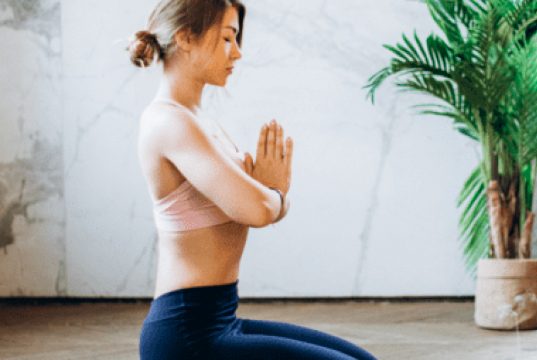
Breathing techniques are a simple yet powerful way to support a relaxed path toward flexibility. Deep, steady breaths help the body release tension, improve circulation, and prepare muscles for movement. In moments of mental or emotional rigidity, intentional breathing can calm the mind, reduce stress, and create space for new perspectives. Integrating breathing exercises into daily life reinforces the connection between relaxation and flexibility, demonstrating that gentle practices can yield meaningful results.
Creating a consistent routine that allows flexibility to grow gradually is also important. This does not mean rigid schedules but rather regular, manageable practices that become a natural part of daily life. A short stretching session in the morning, a mindful pause during work, or a brief reflection before bed are examples of small, consistent actions that accumulate over time. The key is consistency paired with ease, so that flexibility becomes a lifelong habit rather than an occasional effort.
Adapting exercises and practices to individual needs fosters a relaxed approach. Everyone’s body, mind, and circumstances are unique, and acknowledging personal differences prevents frustration or injury. For physical flexibility, using props such as cushions, resistance bands, or supportive surfaces can make stretches more accessible and comfortable. For mental flexibility, exploring ideas through journaling, discussion, or reading allows learning to happen at a pace that feels natural. Customizing practices encourages engagement and reinforces a positive, stress-free journey toward flexibility.
Relaxed flexibility also involves letting go of perfectionism. It is easy to become fixated on achieving a certain posture, mindset, or outcome, but doing so can create tension and slow progress. Accepting the current state, celebrating small successes, and appreciating incremental improvements fosters both confidence and well-being. Flexibility thrives when it is approached with a spirit of curiosity rather than judgment, turning each attempt into an opportunity to explore and grow.
Incorporating movement into daily life in a natural, unforced way supports flexibility without stress. Walking, gentle yoga, stretching during breaks, or playful activities like dancing contribute to physical adaptability while also enhancing mood and energy. These activities can be integrated seamlessly into the day, transforming flexibility practice from a task into a pleasurable part of life. By moving in ways that feel good and accessible, individuals reinforce their connection with their bodies and cultivate sustainable habits.
Mental and emotional flexibility can be nurtured alongside physical flexibility. Approaching challenges with openness, reframing setbacks as opportunities, and exploring multiple solutions enhance problem-solving skills and resilience. A relaxed approach involves pausing before reacting, considering alternative perspectives, and allowing space for reflection. Over time, this mindset reduces stress, builds confidence, and makes navigating change feel less daunting. Mental and emotional flexibility become intertwined with physical flexibility, creating a holistic sense of adaptability.
Rest and recovery are essential components of a relaxed path toward flexibility. The body and mind require time to process movement, absorb lessons, and rejuvenate energy. Incorporating periods of rest, gentle stretching, or meditative pauses ensures that flexibility practices do not become overwhelming. Recovery is not a sign of weakness but a crucial aspect of sustainable growth. By balancing activity with rest, individuals maintain energy, prevent strain, and enhance overall effectiveness in their flexibility journey.
Creating a supportive environment enhances the relaxed pursuit of flexibility. Comfortable spaces, quiet corners, and organized areas for practice reduce distractions and allow focus. A nurturing environment signals that flexibility is a valued part of life and encourages regular engagement. In mental and emotional terms, supportive relationships and open communication contribute to adaptability by offering perspective, encouragement, and shared learning experiences. When the surrounding environment aligns with the goals of flexibility, progress becomes more natural and fulfilling.
Small, incremental goals promote a sense of achievement and reinforce motivation. Rather than aiming for dramatic changes, setting realistic targets allows for steady improvement and reduces pressure. For example, holding a stretch slightly longer, exploring a new approach to problem-solving, or gently challenging thought patterns are ways to advance without stress. These achievable milestones make the journey rewarding, creating a sense of progress that encourages continued effort.
Enjoyment is a key element of relaxed flexibility. When activities are pleasurable, they become self-reinforcing habits. Choosing stretches, exercises, or mental practices that feel satisfying, exploring creative approaches, or integrating playful challenges keeps engagement high. Enjoyment transforms flexibility from a chore into a joyful aspect of daily life, reinforcing both consistency and effectiveness.
Finally, self-compassion strengthens a relaxed approach to flexibility. Recognizing that setbacks are natural, being kind to oneself during challenges, and avoiding harsh self-criticism encourages persistence and resilience. Flexibility grows best in a positive, supportive internal environment, where effort is appreciated regardless of immediate results. Self-compassion fosters long-term engagement and nurtures the overall well-being necessary for sustained progress.
A relaxed path toward flexibility is an invitation to approach life with patience, mindfulness, and ease. By integrating gentle physical movement, reflective practices, adaptable routines, and self-compassion, individuals create a sustainable framework for growth. Flexibility becomes less about pressure and more about exploration, awareness, and enjoyment. Over time, this approach builds resilience, enhances confidence, and enriches daily life, allowing individuals to move through challenges gracefully and embrace opportunities with openness.
Through consistency, mindful awareness, and an emphasis on comfort and enjoyment, flexibility can flourish naturally. A relaxed path fosters both physical and mental adaptability, strengthens emotional resilience, and nurtures overall well-being. It demonstrates that flexibility is not a goal to be forced but a lifelong journey to be embraced with calm, curiosity, and patience. By choosing this gentle approach, individuals create a lifestyle that supports balance, health, and personal growth, making flexibility a source of joy and empowerment in everyday life.