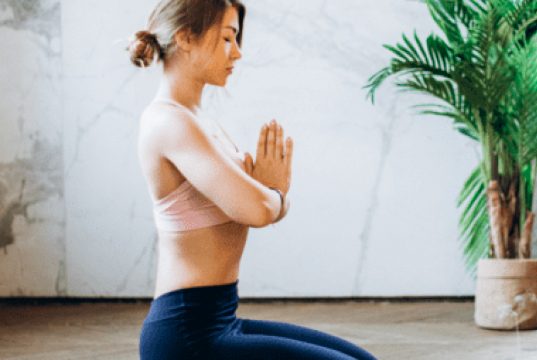
Flexibility is often celebrated in images of acrobatic yoga poses or athletic feats, yet true flexibility extends far beyond physical ability.
Becoming gently flexible is about cultivating a mindset and lifestyle that allows for ease, adaptability, and balance in all areas of life.
It is the practice of approaching change, challenges, and routines with a calm, responsive attitude rather than force or rigidity. Gentle flexibility emphasizes patience, awareness, and gradual growth, creating a foundation for long-term well-being, resilience, and harmony.
At its core, gentle flexibility begins with the mind. A flexible mindset involves openness to change and the willingness to adjust plans when circumstances shift. Many people approach life with rigid expectations, believing that there is only one way to achieve their goals or navigate daily routines. When reality does not align with these expectations, stress and frustration often follow. By cultivating gentle flexibility, individuals learn to view challenges as opportunities rather than obstacles. This mindset allows them to respond thoughtfully, exploring alternative approaches without self-criticism or panic. Over time, this mental adaptability fosters confidence and emotional balance.
Physical practices play an important role in developing gentle flexibility. Movement is a natural way to teach the body how to respond with ease and adaptability. Gentle stretching, slow yoga flows, tai chi, and mindful mobility exercises help muscles, joints, and connective tissues loosen without strain. Unlike intense or forceful training, gentle movement emphasizes listening to the body, honoring its limits, and progressing gradually. The benefits of this approach include improved posture, reduced tension, and a sense of ease in motion. Physical flexibility cultivated in a gentle way often mirrors the calm, adaptable mindset nurtured through mental practice.
Daily life provides many opportunities to practice gentle flexibility. Routines, commitments, and goals are valuable for providing structure and purpose, yet they can become sources of stress if approached rigidly. Gentle flexibility allows for adjustments without guilt or frustration. For example, if a task takes longer than expected or a schedule shifts unexpectedly, responding with calmness rather than irritation ensures that progress continues. This approach nurtures resilience and prevents small disruptions from escalating into overwhelming challenges, creating a more balanced and sustainable way of living.
Relationships benefit significantly from gentle flexibility. Every interaction involves multiple perspectives, needs, and emotions. When individuals approach relationships with rigidity, disagreements or differing expectations can create tension. Practicing gentle flexibility in communication and behavior encourages empathy, patience, and compromise. Listening attentively, adjusting expectations, and responding with understanding strengthens bonds and fosters collaboration. Relationships nurtured in this way become more supportive, allowing everyone involved to grow together and navigate challenges with grace.
Emotional flexibility is another key element of becoming gently flexible. Life is filled with moments that evoke strong emotions, from frustration to joy. Emotional rigidity, or the inability to adapt to feelings, often results in heightened stress or reactive behavior. Developing emotional flexibility involves acknowledging emotions without judgment, understanding their source, and responding thoughtfully rather than impulsively. This practice encourages emotional intelligence, self-compassion, and a steady sense of balance. Over time, emotional flexibility provides a foundation for calmer decision-making, healthier interactions, and increased resilience.
Gentle flexibility also nurtures creativity and problem-solving skills. When circumstances shift or obstacles arise, rigid thinking can limit possibilities and create frustration. Flexible thinking encourages exploring alternative solutions, considering new perspectives, and embracing experimentation. This adaptability fosters innovation and confidence, as individuals learn that challenges are not dead ends but opportunities for growth and learning. The combination of calm reflection and open-mindedness creates a mindset capable of navigating complex situations with clarity and composure.
In the professional realm, gentle flexibility proves invaluable. Work environments are dynamic, and the ability to adapt to evolving demands is essential for success. Approaching tasks and responsibilities with a gentle, flexible mindset allows individuals to respond effectively to changes without compromising quality or well-being. Flexible professionals can adjust priorities, collaborate thoughtfully, and maintain focus even under pressure. This approach promotes productivity while reducing burnout, demonstrating that gentle flexibility is not only personally beneficial but also advantageous in achieving collective goals.
Self-care is a vital component of gentle flexibility. Listening to the body and mind, acknowledging limits, and adapting practices to current needs foster a healthy, sustainable relationship with oneself. Gentle flexibility in self-care encourages responsive rather than prescriptive habits. For example, choosing to rest when energy is low, modifying exercise routines to accommodate the body’s condition, or adjusting daily schedules to reduce stress reflects an adaptive approach that honors personal well-being. Over time, this mindful self-care supports long-term health, vitality, and a balanced lifestyle.
Learning to embrace uncertainty is another aspect of gentle flexibility. Life is unpredictable, and attempts to control every outcome can be exhausting and counterproductive. By approaching change with a soft, open attitude, individuals develop trust in their ability to navigate uncertainty. This trust reduces anxiety and creates a sense of stability even in shifting circumstances. Gentle flexibility encourages curiosity and exploration, allowing people to see new experiences as opportunities rather than threats. This mindset fosters resilience, confidence, and the capacity to move forward with clarity and calm.
Becoming gently flexible is a gradual process that requires patience and consistent practice. It begins with small choices: pausing before reacting to stress, adjusting routines thoughtfully, or exploring alternative perspectives in problem-solving. Over time, these choices cultivate habits of adaptability, ease, and presence. Each small step strengthens the mind, body, and spirit, creating a life that flows more smoothly with the natural rhythms of daily living.
Ultimately, gentle flexibility is about harmony rather than extremes. It does not demand perfection, intense discipline, or extraordinary feats. Instead, it invites a thoughtful balance between intention and adaptability. It encourages movement without force, responses without impulsivity, and growth without strain. Gentle flexibility teaches that strength and resilience are not solely about rigid endurance but also about the ability to adjust, respond, and move forward with grace.
Through mental, physical, and emotional practice, becoming gently flexible equips individuals to navigate life’s changes with confidence and ease. It transforms challenges into opportunities for learning, stress into manageable responses, and obstacles into stepping stones for growth. By embracing this approach, life becomes less about resistance and more about fluidity, balance, and mindful progress. Gentle flexibility fosters well-being, resilience, and a deep sense of harmony that supports meaningful living in every aspect of life.
In essence, becoming gently flexible is a practice of presence, patience, and openness. It encourages a life where adaptation is natural, challenges are met with calmness, and personal growth occurs steadily. By cultivating this gentle approach, individuals can create a balanced, fulfilling existence that allows them to move forward confidently, navigate change gracefully, and experience the richness of life with clarity and ease.