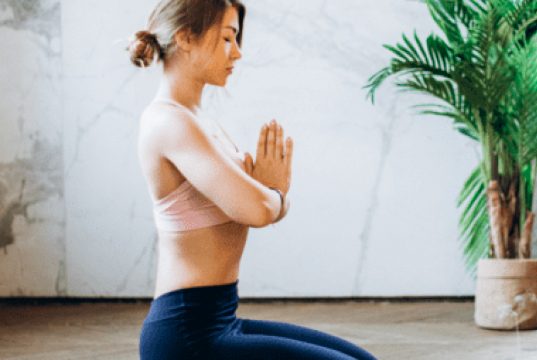
Posture is often thought of as a static concept, something to maintain rigidly while sitting or standing.
In reality, posture is a dynamic foundation that supports movement and comfort throughout the day.
By cultivating awareness of how you carry your body, you can encourage gentle, natural movements that feel effortless rather than forced.
Good posture does not have to mean stiffness or strain; it can be a subtle, ongoing practice that allows the body to respond fluidly to everyday tasks.
One of the first principles of encouraging gentle movement is awareness. Noticing how your body feels in different positions helps identify areas of tension or restriction. When you observe your posture throughout the day, small adjustments become intuitive. Simple awareness can be as easy as feeling where your weight rests when standing, noticing how your feet contact the floor, or sensing how your spine aligns when seated. These subtle observations guide your body toward ease and readiness for movement.
Breathing is closely connected to both posture and movement. Shallow breathing often accompanies slouched or collapsed positions, which can make movement feel heavy or awkward. Allowing your breath to expand naturally through your chest and belly encourages a lifted, relaxed posture. This gentle expansion creates space for the muscles to lengthen and the joints to move freely. Deep, unforced breaths remind the body that movement does not have to be effortful to be effective.
Supporting the spine is central to posture that promotes gentle movement. The spine is naturally curved, and maintaining these curves without forcing rigidity allows the body to transition smoothly from one position to another. When sitting, supporting the lower back with a cushion or leaning lightly against a chair can help the spine maintain its natural curves. When standing, aligning the head over the shoulders and the shoulders over the hips provides balance while keeping the body relaxed. This kind of alignment reduces strain and enables the body to move gracefully.
Movement breaks are another key strategy. Remaining in one position for extended periods can create stiffness, which makes any subsequent movement more difficult. Taking brief moments to stretch, roll your shoulders, or shift your weight encourages fluidity. Even small adjustments, such as reaching arms overhead, bending knees slightly, or tilting the pelvis, can make a noticeable difference. By integrating gentle movement into daily routines, the body becomes accustomed to motion, reducing tension and improving overall comfort.
The way we position our limbs also affects how easily we can move. Keeping joints soft rather than locked supports natural motion. For instance, when standing, allowing knees to remain slightly bent instead of locked helps absorb movement and prevents strain. When seated, keeping feet flat on the floor and avoiding crossing legs too tightly allows subtle shifts in weight and posture. These small details create freedom for the body to respond and move naturally without stress.
Environmental factors play a role in supporting gentle movement. Working surfaces at comfortable heights, chairs that provide support without restricting motion, and spaces that allow you to change positions frequently all contribute to a more fluid posture. Even everyday items, like a low coffee table or a supportive cushion, can encourage transitions between sitting, standing, and stretching. Arranging your environment with movement in mind allows the body to shift comfortably throughout the day.
Mindful transitions between positions are equally important. Rather than collapsing into a chair or rising abruptly from a desk, moving with awareness encourages smooth, controlled motion. By engaging the core gently, allowing the spine to extend naturally, and coordinating breath with movement, transitions feel easier and safer. These mindful shifts help prevent strain and create a rhythm that promotes both posture and fluidity.
Engaging in light, purposeful movements complements posture-focused habits. Activities such as walking slowly, gentle stretching, or reaching for objects within a comfortable range help reinforce natural alignment. These movements remind the muscles and joints how to function together harmoniously. Encouraging gentle, repeated motion throughout the day maintains flexibility, strengthens postural awareness, and keeps the body responsive.
Another aspect of posture that promotes gentle movement is relaxation. Tension often accumulates in the shoulders, neck, and lower back, restricting mobility. Allowing muscles to soften while maintaining support enables smoother transitions between positions. Gentle rolling of the shoulders, softening the jaw, and releasing tension in the hands or feet can make standing, walking, or bending feel lighter. When muscles are relaxed yet supported, the body moves efficiently with minimal effort.
Posture is also influenced by habits of focus and attention. Stress or distraction can lead to hunching, collapsing, or holding the body in one fixed position. Pausing periodically to check in with your body allows you to release unnecessary tension and restore alignment. Even brief awareness—feeling the weight of your feet, noticing the lift in your chest, or lengthening the spine—promotes readiness for movement and helps posture remain flexible rather than rigid.
Foot placement and balance contribute significantly to movement-friendly posture. Standing with weight distributed evenly on both feet, maintaining a stable yet soft stance, and keeping the knees slightly bent allows the body to respond naturally. This stability provides a foundation for walking, turning, or reaching without overcompensating or straining. Similarly, while seated, keeping feet grounded helps the spine maintain balance and allows gentle weight shifts to occur easily.
Ultimately, encouraging gentle movement through posture is about cultivating an ongoing relationship with your body. Rather than enforcing a rigid standard, it is about creating conditions that allow the body to function naturally. Awareness, breath, support, movement breaks, mindful transitions, and relaxation all contribute to a posture that feels light, responsive, and adaptable. Over time, these habits reduce tension, improve comfort, and enhance the body’s ability to move freely.
By approaching posture with attention to ease and flow, you support both comfort and function. Gentle movement becomes a natural extension of alignment, and everyday tasks are performed with less effort and greater awareness. Developing posture that encourages fluidity is not a quick fix but a lifelong practice. Small, consistent adjustments, combined with mindful observation, allow your body to respond to life’s demands gracefully while maintaining comfort and vitality.