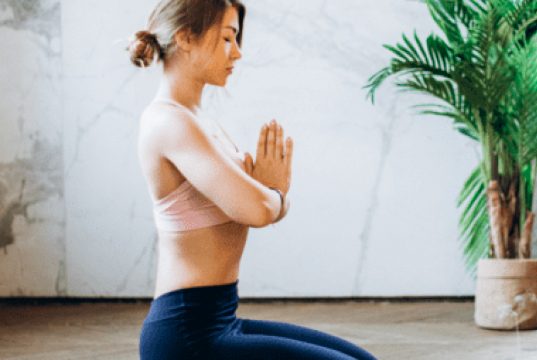
Calm moments in the day are precious.
They provide a chance to pause, reflect, and restore energy.
One of the simplest ways to enhance these moments is through relaxed posture.
When the body feels supported and comfortable, the mind often follows, allowing thoughts to settle and a sense of ease to emerge. Relaxed posture is not about rigid perfection; it is about finding alignment that feels natural, gentle, and restorative. By cultivating awareness and making small adjustments, you can turn ordinary pauses into truly calming experiences.
The first step toward relaxed posture is awareness. Take a moment to notice how your body is holding itself. Are your shoulders tight or lifted toward your ears? Is your spine curved in a way that feels uncomfortable? Are your feet or legs positioned unevenly? Simply observing these tendencies without judgment can be enlightening. Awareness often leads to small, natural adjustments that help the body feel more supported, creating a foundation for calm.
Breathing and posture are deeply connected. Shallow or rapid breathing tends to create tension in the shoulders, neck, and chest. Slow, steady breaths encourage the body to lengthen and release stiffness. When inhalations are gentle and expansive, and exhalations are smooth, the spine can rise naturally, the chest opens slightly, and the shoulders can drop into a more comfortable position. By paying attention to the breath, relaxed posture becomes easier to maintain and contributes directly to a sense of calm.
Sitting with relaxed posture is a practical way to enhance calm moments. Begin by allowing your weight to settle evenly on the seat. Feet should rest naturally on the floor, with knees slightly bent. The spine can maintain its natural curves, with a gentle lift in the chest and a sense of elongation along the back. Shoulders can soften and drop away from the ears, and the head should feel balanced over the neck rather than pushed forward. Even subtle adjustments like these can transform sitting into an experience that supports both comfort and tranquility.
Standing can also be approached with relaxed posture. Instead of stiffly locking the knees or holding tension in the shoulders, imagine your weight distributed evenly through both feet. The knees remain soft, the spine gently aligned, and the shoulders resting comfortably. A relaxed stance allows energy to flow freely and prevents the body from holding unnecessary tension. Even during brief moments of standing, this approach promotes a grounded, peaceful feeling.
Movement complements relaxed posture. Small stretches, gentle rotations, or light shifts in position keep muscles from tightening and joints from becoming stiff. These motions help maintain comfort and reinforce natural alignment, making calm moments more sustainable. Movements performed slowly and mindfully also support a sense of presence, allowing the mind to settle alongside the body.
Everyday activities provide opportunities to integrate relaxed posture. Whether reading, sipping a cup of tea, or enjoying a quiet walk, posture can enhance comfort and calmness. Keep movements smooth and intentional, allowing the body to adjust naturally as needed. Avoid overextending or holding positions too rigidly, and focus on how your body feels rather than how it appears. This approach nurtures both relaxation and attentiveness.
Mental state plays a significant role in posture, and posture, in turn, affects the mind. Stress or mental tension often manifests physically as rounded shoulders, a tight chest, or a forward-leaning head. Taking even a few moments to reset, breathe, and lengthen the spine can release these tensions. Relaxed posture provides a signal to the nervous system that it is safe to slow down, which can help reduce stress and enhance the sense of calm in any environment.
Mindfulness enhances relaxed posture by fostering awareness of subtle sensations in the body. Noticing how the shoulders, spine, hips, and feet feel allows for small corrections that promote comfort and alignment. Mindful observation does not require strenuous effort or rigid control; it is a gentle practice of noticing, adjusting, and settling into ease. Over time, this mindful approach strengthens the body’s natural capacity for relaxation and supports the mind in feeling grounded and present.
Listening to the body’s signals is essential. Discomfort or fatigue indicates a need for adjustment. Instead of forcing a position, gently modify how you sit, stand, or move until it feels naturally supported. This responsiveness helps the body maintain balance without tension and reinforces a sense of calm and care. By responding attentively to these cues, relaxed posture becomes a tool for comfort rather than a source of strain.
Rest and recovery are vital companions to relaxed posture. Even brief pauses can allow muscles to release tension, joints to reset, and the mind to regain clarity. Creating moments of stillness throughout the day supports alignment and provides a mental break, enhancing both physical and emotional well-being. Simple practices like closing your eyes, stretching gently, or sitting quietly in a supported position can transform ordinary pauses into restorative experiences.
Technology and modern life often encourage postures that create tension, such as leaning forward toward a screen or hunching over a device. Adjusting screens to eye level, supporting the back when seated, and keeping objects within easy reach can maintain relaxed posture even during these moments. Small environmental adjustments, combined with awareness, prevent unnecessary strain and preserve the body’s natural ease.
Kindness toward yourself is an essential element of relaxed posture. Bodies are not designed to remain perfectly still or aligned at all times. Allow yourself flexibility and patience, guiding your posture gently rather than enforcing rigid positions. This compassionate approach nurtures comfort and reinforces the connection between posture and mental calm. Over time, a friendly attitude toward the body strengthens the habit of relaxed alignment.
Relaxed posture contributes to more than physical comfort. When the body is supported and balanced, circulation improves, muscles experience less fatigue, and mental focus is enhanced. These benefits make calm moments more effective, whether for reflection, creative work, or simply enjoying a quiet pause. By integrating small adjustments in posture, breathing, and mindful attention, everyday moments become more restorative and enjoyable.
With consistent practice, relaxed posture becomes second nature. Awareness, breath, gentle movement, and responsiveness combine to create a body that feels light, supported, and at ease. Calm moments can then extend naturally into other activities, promoting a sense of stability, comfort, and balance throughout the day.
Focusing on relaxed posture empowers the body to support itself while enhancing the mind’s ability to settle. It is not about achieving perfection, but about cultivating balance, comfort, and presence. Each mindful adjustment, gentle breath, and intentional shift contributes to a practice that encourages calmness and restorative ease. Relaxed posture becomes a quiet ally, helping the body and mind experience each moment with a sense of peace and comfort, turning ordinary pauses into meaningful opportunities for rest and renewal.