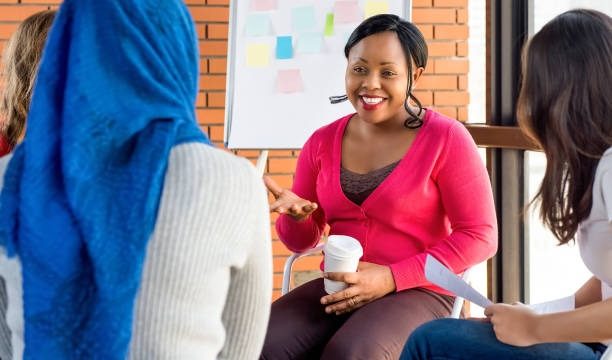
In a world that often feels divided, nurturing friendly and respectful learners is more important than ever.
The way we engage with one another, especially in educational settings, can shape not only the experiences of students but also the fabric of our communities.
By fostering an environment where kindness and respect thrive, we can create a generation of learners who are not just academically successful, but also compassionate and understanding.
Creating a warm atmosphere begins with understanding the power of connection.
When learners enter a space that feels inviting and safe, they are more likely to participate, express their thoughts, and collaborate with their peers. This sense of belonging is crucial, as it lays the foundation for trust. When students trust their environment and each other, they are more willing to take risks, share ideas, and ask questions without fear of judgment.
A gentle approach to communication can make a significant difference in how learners interact with one another. Encouraging open dialogues and teaching active listening skills can transform the classroom dynamic. When students feel heard, they are more likely to respect others’ opinions and contribute to discussions in a thoughtful manner. This can be as simple as modeling respectful conversations and guiding students to express disagreements in a constructive way. It’s about showing them that differing perspectives can coexist and lead to richer discussions.
As we nurture friendly learners, it’s essential to incorporate empathy into the learning process. Empathy helps students to step into someone else’s shoes, fostering a deeper understanding of diverse backgrounds and experiences. Activities that encourage students to share their stories or engage in role-playing can be powerful tools for developing this skill. By understanding the feelings and viewpoints of others, students learn to approach their peers with kindness and respect, creating a more inclusive atmosphere.
Encouraging collaboration rather than competition is another vital aspect of nurturing friendly learners. While a little competition can be motivating, it’s important to focus on teamwork and collective success. Group projects, peer teaching sessions, and cooperative games can help students learn to work together towards common goals. This not only strengthens their ability to communicate and respect each other’s contributions but also builds a sense of community within the classroom.
A small shift toward balance can also be found in the way we celebrate achievements. While it is important to recognize individual accomplishments, celebrating group successes can foster a sense of unity. Acknowledging the efforts of the entire class reinforces the idea that everyone plays a role in each other’s success. This shared recognition promotes a supportive environment where learners feel valued and appreciated, further encouraging respectful interactions.
Equally, teaching conflict resolution skills is crucial in nurturing a respectful learning environment. Conflicts are inevitable, but how they are handled can either strengthen relationships or create rifts. By equipping students with tools to address disagreements calmly and respectfully, we empower them to navigate challenges effectively. Role-playing different scenarios can provide practical experience in managing conflicts, helping students to understand the importance of listening, compromise, and finding common ground.
Additionally, the role of educators in modeling friendly behavior cannot be overstated. Teachers who demonstrate kindness, patience, and respect set the tone for their classrooms. When students see their educators treating others with dignity, they are more likely to mimic that behavior. It’s important for teachers to share their own experiences with empathy and respect, illustrating how these values play out in real life. By creating authentic connections with students, educators can inspire a culture of mutual respect that extends beyond the classroom.
Encouraging reflection is another gentle yet powerful way to nurture friendly learners. Providing opportunities for students to think about their interactions and behaviors fosters self-awareness. Journaling, group discussions, or guided reflections can help students recognize the impact of their actions on others. This process of introspection not only enhances emotional intelligence but also encourages students to take responsibility for their words and actions.
As we think about the broader community, it’s essential to extend these principles beyond the classroom. Engaging families and the local community in discussions about kindness and respect can create a ripple effect. Workshops, community service projects, or family events centered around these themes can strengthen the connections between school and home. When families and educators work together to reinforce these values, students receive a consistent message about the importance of being friendly and respectful.
In conclusion, nurturing friendly and respectful learners is a journey that requires patience, intention, and a collaborative spirit. By creating an environment rooted in trust and understanding, we can empower students to develop essential social skills that will serve them throughout their lives. Through empathy, collaboration, conflict resolution, and reflection, we can guide learners to appreciate the beauty of diversity and the strength found in respect. As we invest in the growth of these values, we are not just shaping individual learners, but also cultivating a more compassionate and inclusive society for all. The journey may take time, but the rewards of fostering a culture of kindness and respect are immeasurable, leading us all toward a brighter future.