Weekends are often the perfect time to relax, enjoy hobbies, and spend time with family and friends.
Whether you are hiking in the park, playing sports, doing home improvement projects, or simply running errands, weekends can also bring increased physical activity and new challenges.
While it is natural to want to make the most of these days, it is equally important to prioritize safety.
Taking thoughtful precautions and practicing simple habits can help prevent injuries, reduce stress, and ensure that weekends are both enjoyable and safe.
One of the key aspects of staying safe during weekend activities is preparation. Knowing what your day will involve allows you to anticipate potential risks and take steps to minimize them. For example, if you plan to go hiking, check the trail conditions, weather forecast, and terrain. If you intend to participate in sports or outdoor games, ensure that the playing area is safe, free of hazards, and suitable for your skill level. Preparing in advance not only reduces the chance of accidents but also helps you feel confident and ready for the day ahead.
Warming up before physical activity is a simple but effective safety measure. Even light stretching or a short walk can increase blood flow to muscles, improve flexibility, and prepare joints for movement. Activities such as jogging, dynamic stretches, or gentle mobility exercises help the body respond better to sudden movements or changes in direction. Warming up reduces the risk of strains, sprains, and other injuries that can occur when the body is suddenly put under stress.
Maintaining proper posture and alignment is important, even during seemingly simple activities. Whether you are lifting boxes while cleaning the garage, gardening, or playing a weekend sport, paying attention to how you use your body can prevent unnecessary strain. Keep your back straight, bend at the knees when lifting, and avoid twisting awkwardly. These small adjustments reduce stress on muscles and joints, helping prevent common injuries such as back strains, knee pain, and shoulder discomfort.
Footwear plays a surprisingly large role in weekend safety. Shoes that provide proper support, cushioning, and grip help prevent slips, falls, and fatigue. Choosing footwear appropriate for the activity is essential. Hiking shoes or sneakers are preferable for outdoor excursions, while work boots are better for home projects. Worn-out shoes or sandals that do not provide stability can increase the risk of injury, even during short periods of activity. Taking a few moments to select the right shoes ensures comfort and safety throughout the day.
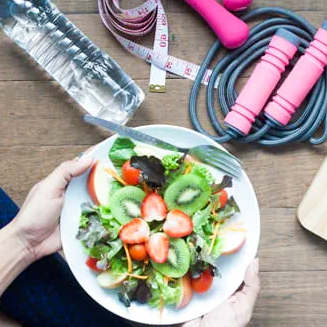
Hydration and nutrition should not be overlooked during weekend activities. Spending hours outdoors or engaging in physical tasks can deplete energy and fluids, leading to fatigue, dizziness, or reduced coordination. Drinking water regularly and having healthy snacks on hand helps maintain energy levels and supports muscle function. Proper hydration and nutrition enhance alertness, prevent lightheadedness, and make physical activity safer and more enjoyable.
Pacing yourself is another essential strategy for preventing accidents and injuries. Weekends often bring a mix of activities, and it can be tempting to try to accomplish everything at once. Moving at a comfortable pace, taking breaks when needed, and avoiding overexertion reduce fatigue and lower the risk of mistakes that could lead to injury. Small pauses for rest, stretching, or a quick snack can significantly improve performance and safety throughout the day.
Environmental awareness is crucial for staying safe during outdoor activities. Uneven terrain, slippery surfaces, sudden obstacles, or changes in weather can all contribute to accidents. Paying attention to the surroundings, adjusting movements accordingly, and planning for potential hazards helps prevent trips, falls, and other injuries. For indoor activities, keeping areas well-lit and free of clutter reduces the risk of accidents, particularly when moving quickly or carrying objects.
Using protective equipment when appropriate is a smart way to prevent injuries. Helmets, knee pads, gloves, or safety glasses can protect against accidents during sports, cycling, or home improvement projects. Even simple items, such as sturdy gardening gloves or cushioned mats, provide an extra layer of safety. Protective equipment should fit properly and be used consistently to be effective. Incorporating these small measures makes activities safer without reducing enjoyment.
Strengthening and flexibility exercises also contribute to weekend safety, especially if you engage in physically demanding activities. Strong muscles support joints, improve balance, and reduce fatigue, while flexible muscles and tendons allow for smooth, controlled movement. Integrating brief strength and stretching routines into your week prepares the body for the bursts of activity that often occur during weekends. These habits enhance coordination, reduce the risk of injury, and make physical tasks feel easier and more comfortable.
Rest and recovery are just as important as activity itself. Overworking muscles, joints, or tendons can lead to soreness, fatigue, or strain injuries. Ensuring that there is time to rest between intense activities allows the body to recover fully. Adequate sleep and short rest breaks throughout the day help maintain alertness, coordination, and overall energy. Listening to your body’s signals and adjusting activity accordingly is a key component of long-term safety.
Planning for emergencies adds an additional layer of protection. Having a first-aid kit readily available, knowing basic first-aid procedures, and carrying a phone for emergencies ensures that unexpected situations can be handled quickly. Preparing for minor injuries, such as cuts, sprains, or bruises, allows for prompt care and reduces the likelihood of complications. Being prepared provides peace of mind and enhances the overall safety of weekend activities.
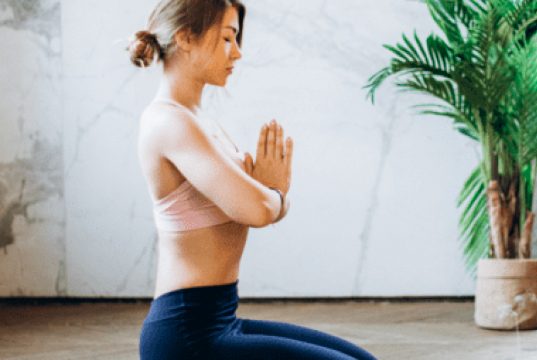
Mindfulness and focus during activities can prevent accidents that occur from distraction or multitasking. Paying attention to movements, surroundings, and timing ensures that the body responds appropriately to challenges. Whether running on a trail, lifting a heavy object, or playing a game with children, being present in the moment reduces the likelihood of missteps or collisions. Mindful participation makes activities safer and more enjoyable, allowing the body to perform efficiently.
Weather and environmental conditions should also guide activity choices. Extreme heat, cold, or rain can increase the risk of fatigue, dehydration, or slips and falls. Dressing appropriately, using sun protection, staying hydrated, and adjusting activities to suit weather conditions are important for safety. Being flexible with plans in response to environmental factors ensures that enjoyment does not come at the expense of well-being.
Finally, including others in your safety habits can make weekends even more enjoyable and secure. Engaging family or friends in discussions about safe practices, encouraging teamwork during physical tasks, and modeling careful behavior fosters a culture of safety. Supporting each other in observing precautions not only reduces risk but also creates a more positive and relaxed atmosphere for everyone involved.
In conclusion, staying safe during weekend activities requires preparation, awareness, and consistent habits. Warming up, maintaining proper posture, wearing appropriate footwear, staying hydrated and nourished, pacing yourself, monitoring the environment, using protective equipment, strengthening and stretching muscles, allowing rest and recovery, planning for emergencies, staying mindful, and adjusting for weather conditions all contribute to safer and more enjoyable weekends. By integrating these simple strategies into daily routines, individuals can participate fully in recreational and household activities while minimizing the risk of injury. Thoughtful attention to safety allows for relaxation, fun, and productivity, ensuring that weekends are both rewarding and free from preventable accidents.