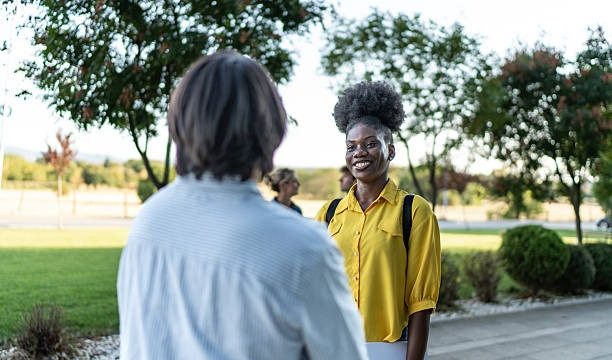
As young adults transition from the familiar halls of high school to the expansive landscape of college life, they embark on a journey that goes far beyond academics.
One of the most transformative aspects of this experience is the development of leadership skills.
College provides a unique environment where students can cultivate their potential, learn to navigate challenges, and emerge as confident leaders.
In a college setting, students are often encouraged to step outside their comfort zones. Whether it’s joining a club, taking on a leadership role in student government, or participating in group projects, these experiences are crucial for personal growth. The very act of stepping forward and saying, “I’ll take the lead on this” can be daunting, yet it is in these moments of uncertainty that true leadership begins to bloom.
Collaboration is at the heart of many college experiences. Group projects, team sports, and campus organizations require students to work together towards a common goal. This collaborative spirit fosters essential skills such as communication, empathy, and conflict resolution. Students learn how to listen to diverse perspectives, negotiate differences, and build consensus. These are invaluable skills for any aspiring leader, as they create an inclusive environment where everyone feels valued and heard.
A small shift toward balance can also be found in the way college encourages self-reflection. Many institutions offer workshops and seminars focused on personal development. Students are often prompted to assess their strengths and weaknesses, which is a critical step in becoming an effective leader. Understanding oneself is key to understanding others, and this introspective process allows students to identify their leadership style and areas for growth.
Mentorship plays a significant role in the development of leadership skills during college years. Faculty members, advisors, and even older students often take on the role of mentors, guiding younger students through their academic and personal journeys. These relationships provide not only support but also valuable insights into leadership. Mentors share their own experiences, offer advice on navigating challenges, and inspire students to pursue their passions. This guidance can be transformative, helping students to envision themselves as future leaders in their chosen fields.
The beauty of college lies in its diversity. Students come from various backgrounds, cultures, and experiences, creating a rich tapestry of ideas and perspectives. This diversity is a powerful catalyst for leadership development. Engaging with peers from different walks of life fosters cultural awareness and sensitivity, essential qualities for any leader in today’s global society. Students learn to appreciate differing viewpoints and adapt their approaches accordingly, strengthening their ability to lead in diverse environments.
Extracurricular activities are another avenue through which college nurtures leadership skills. Whether through student organizations, sports teams, or volunteer opportunities, students have countless chances to practice their leadership abilities. Taking charge of a project, organizing an event, or leading a team teaches responsibility and accountability. These experiences provide a safe space to test one’s leadership skills, make mistakes, and learn from them without the high stakes often found in the professional world.
In addition to formal leadership roles, college teaches the importance of service and giving back to the community. Many students find themselves involved in community service initiatives or advocacy groups, which can be profoundly impactful. These experiences instill a sense of responsibility and the understanding that leadership extends beyond oneself. True leaders recognize the importance of uplifting others and working towards the greater good.
The academic environment of college also contributes to leadership development. Engaging in discussions, debating ideas, and presenting research fosters critical thinking and public speaking skills. These are vital tools for any leader. The ability to articulate thoughts clearly and persuasively is essential in rallying support, inspiring others, and driving change. In this way, classroom experiences become a training ground for future leaders, equipping them with the skills needed to navigate complex issues.
Emotional intelligence is another crucial aspect of leadership that college experiences help to develop. As students navigate friendships, team dynamics, and academic pressures, they learn to manage their emotions and understand the feelings of others. This heightened emotional awareness allows for more compassionate and effective leadership. Students who can empathize with their peers are often more successful in motivating and guiding others, making emotional intelligence a cornerstone of strong leadership.
As the college journey unfolds, resilience becomes a vital theme. The challenges of academic life, coupled with personal growth, teach students how to bounce back from setbacks. Learning to persevere through difficulties is a key component of effective leadership. Students who face challenges head-on, adapt to changes, and remain steadfast in their goals are better equipped to lead others in the future.
Ultimately, college is not just about earning a degree; it is about becoming a well-rounded individual ready to take on the world. The leadership skills developed during these formative years are invaluable assets that extend far beyond graduation. As students emerge from college, they carry with them a toolkit of experiences, insights, and capabilities that prepare them for their future roles as leaders in their communities and professions.
In conclusion, the college experience is a rich tapestry of opportunities for personal and leadership development. Through collaboration, mentorship, diversity, and resilience, students learn to embrace their potential and step into their roles as leaders. As they navigate this transformative time, they not only discover who they are but also who they can become. The leadership skills honed in college will serve them well, guiding them in their endeavors and helping them to make a positive impact on the world around them.