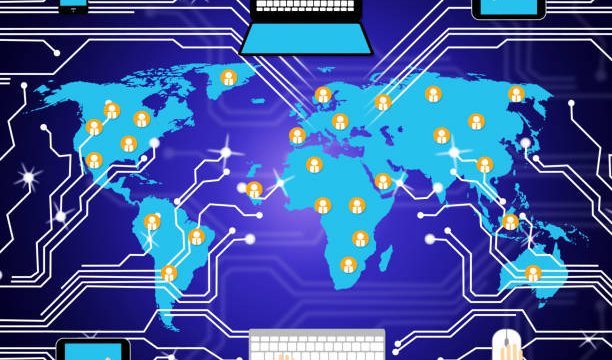
In our increasingly interconnected world, the importance of understanding global geography cannot be overstated.
Geography is more than just maps and borders; it is a tapestry of cultures, traditions, and histories that shape our planet.
By learning about global geography, we not only enrich our minds but also nurture a deeper appreciation for our diverse world.
Exploring the beauty of different landscapes can be a journey of the heart and mind. From the soaring peaks of the Himalayas to the serene beaches of the Caribbean, each region offers a unique story waiting to be discovered. When we immerse ourselves in the geographical wonders around us, we begin to understand the intricate ways in which the environment influences the lives of people. This connection fosters empathy and respect for different ways of life, enhancing our global awareness.
A small shift toward balance can begin with the simple act of exploring maps. Traditional paper maps, as well as digital resources, provide a fascinating way to visualize the world. They are not merely tools for navigation; they can transport us to places we have never been. As we trace the outlines of countries and continents, we might find ourselves drawn to specific regions. Perhaps it’s the rich history of Egypt or the vibrant cultures of South America that captivate us. Engaging with maps can ignite a sense of wanderlust, inspiring us to learn more about the people and places that inhabit our planet.
As we delve deeper into the study of global geography, it’s essential to recognize the role of climate and environment. The Earth’s diverse climates—from the arid deserts of Africa to the lush rainforests of South America—play a crucial role in shaping not only the physical landscape but also the way people live and thrive. Understanding these environmental factors can help us appreciate the delicate balance of ecosystems and the impact of human activity on our planet. This awareness can inspire us to adopt more sustainable practices in our own lives, contributing to the well-being of the Earth and its inhabitants.
Cultural geography is another captivating aspect of this field. Each region boasts its own unique customs, languages, and traditions, all of which contribute to the rich mosaic of human experience. By exploring these cultural landscapes, we can gain insights into the values and beliefs that shape societies. For instance, learning about the indigenous cultures of North America can reveal profound connections to the land and a deep respect for nature that many contemporary societies can learn from. Such explorations foster a sense of curiosity and wonder, encouraging us to engage with the world around us in a more meaningful way.
Traveling, whether physically or through literature and documentaries, can also enhance our understanding of global geography. When we visit new places, we encounter different ways of life firsthand. These experiences can challenge our assumptions and broaden our perspectives. If travel is not feasible, exploring the world through books can be equally enriching. There are countless novels, memoirs, and travelogues that transport readers to distant lands, offering glimpses into the lives of others. This literary exploration not only ignites our imagination but also deepens our understanding of the complex interplay between geography and culture.
Connecting with others across the globe can also be a profound way to learn about geography. Engaging in conversations with people from different backgrounds allows us to hear their stories and gain insights into their lives. In our digital age, technology has made it easier than ever to connect with individuals from around the world. Social media platforms and online forums provide opportunities to share experiences and learn from one another. These interactions can foster a sense of community and belonging, reminding us that we are all part of a larger global family.
In our quest to understand global geography, it’s important to acknowledge the challenges faced by different regions. Issues such as climate change, natural disasters, and geopolitical conflicts remind us of the fragility of our world. By educating ourselves about these challenges, we can become advocates for positive change, supporting initiatives that promote sustainability and social justice. This awareness empowers us to make informed choices in our daily lives, whether that means supporting ethical brands, reducing our carbon footprint, or participating in community efforts to protect the environment.
As we embark on this journey of learning about global geography, we must also recognize the value of reflection. Taking the time to contemplate what we’ve learned can solidify our understanding and inspire us to take action. Journaling our thoughts, discussing our insights with friends, or even creating art inspired by our geographical explorations can deepen our connection to the material. This reflective practice encourages us to integrate our newfound knowledge into our lives, making geography not just an academic subject but a lens through which we view the world.
In conclusion, the exploration of global geography is a rich and rewarding endeavor that invites us to engage with the world in profound ways. By immersing ourselves in the beauty of different landscapes, cultures, and histories, we cultivate a sense of empathy and appreciation for our planet. Whether through maps, travel, literature, or conversation, the journey of learning about geography can enrich our lives and inspire us to contribute positively to the world around us. As we continue on this path, let us embrace the curiosity and wonder that comes with discovering the diverse tapestry of life that exists across the globe.