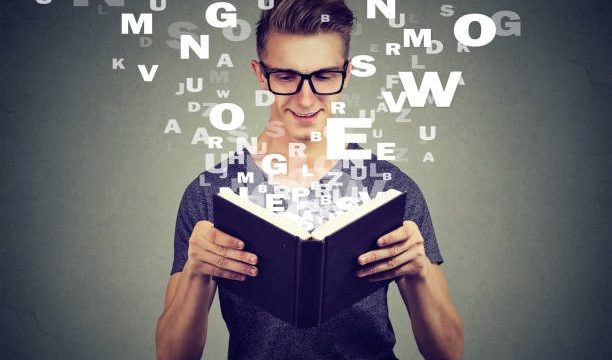
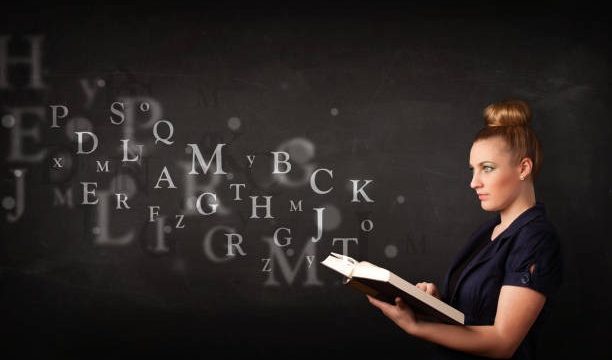
In a world brimming with information, the ability to think critically has never been more vital.
We often hear that reading is fundamental, but it is much more than just a means to acquire knowledge.
Books have a unique power to shape our thoughts, challenge our perceptions, and foster critical thinking skills. The act of engaging with a story or an argument in a book prompts us to reflect, question, and analyze, ultimately leading us to deeper understanding and insight.
When we immerse ourselves in a narrative, whether it’s a gripping novel, an insightful biography, or a thought-provoking essay, we enter a realm of ideas and perspectives that might be different from our own. This journey encourages us to step outside our comfort zones and consider viewpoints that we may not have encountered in our everyday lives. By engaging with diverse characters and situations, we begin to understand complexities that exist in the world around us.
The importance of perspective cannot be overstated. Reading about different cultures, lifestyles, and beliefs can help us develop empathy and a broader understanding of humanity. When we read about a character’s struggles, triumphs, and moral dilemmas, we are invited to reflect on our own values and beliefs. This process encourages us to ask ourselves questions: Why did the character make that choice? What would I have done in their situation? Such inquiries promote not only empathy but also critical analysis of our own choices and the factors that influence them.
A quiet corner with a good book can also serve as an oasis for contemplation. The act of reading requires us to slow down and absorb the material thoughtfully. In our fast-paced world, where information is often consumed in snippets, dedicating time to read allows us to engage deeply with complex ideas. This slower pace can help us recognize nuances and connect dots that might otherwise go unnoticed. As we ponder the implications of a plot twist or the motivations behind a character’s actions, we practice the art of critical thinking.
Engaging with non-fiction works, such as essays or scholarly articles, can further enhance our analytical skills. Authors often present arguments backed by research, inviting readers to assess the validity of their claims. This interaction encourages us to question the information presented to us and consider the evidence supporting various viewpoints. We learn to discern between fact and opinion and to evaluate the strength of arguments. This critical engagement with text is a fundamental skill that can be applied not only in our personal lives but also in professional settings.
A small shift toward balance can occur when we incorporate discussions about what we read into our lives. Book clubs, for instance, offer a wonderful opportunity to share insights and interpretations with others. Conversations about a book can reveal different interpretations and spark debates that challenge our own views. Listening to others’ perspectives can deepen our understanding and encourage us to reconsider our initial thoughts. This exchange of ideas cultivates an environment where critical thinking flourishes, as we learn to articulate our thoughts and defend our opinions while remaining open to new ones.
Moreover, the process of writing about what we read can be immensely beneficial. Keeping a reading journal where we jot down thoughts, questions, and reflections can help solidify our understanding of the material. Writing forces us to organize our thoughts and clarify our viewpoints. It’s an active engagement with the text that goes beyond passive reading. As we articulate our ideas, we become more adept at critical thinking, learning to construct coherent arguments and express ourselves more effectively.
Books also serve as a mirror, reflecting our own beliefs and biases. When we encounter narratives that challenge our preconceived notions, we may feel discomfort or resistance. This is a natural part of the learning process. Engaging with challenging material encourages us to confront our biases and reconsider our assumptions. It’s an opportunity for growth and self-discovery, as we learn to navigate the complexities of our beliefs in the context of a larger world.
As we delve into the realm of literature, we also discover the art of questioning. Good literature often raises more questions than it answers, prompting us to think critically about the themes and messages woven throughout the story. This practice of questioning is fundamental to developing a critical mindset. It encourages us to explore the “why” behind actions and events, fostering a sense of curiosity that extends beyond the pages of a book.
In the end, the journey through literature is not just about consuming stories; it’s about engaging with ideas and expanding our minds. By embracing the worlds that books open to us, we cultivate the ability to think critically and navigate the complexities of life with greater clarity. Whether we find ourselves lost in a fictional universe or grappling with real-world issues presented in non-fiction, the lessons learned from reading can profoundly shape our understanding of ourselves and the world around us.
So, as you pick up your next book, take a moment to reflect on the journey ahead. Allow yourself to be immersed in the narrative, to question, to analyze, and to engage with the ideas presented. In doing so, you are not just reading; you are nurturing your critical thinking skills and fostering a deeper connection with the world. Each page turned is an opportunity for growth, and every story could be a stepping stone toward a more thoughtful, reflective life.