In the ever-evolving landscape of education, the ability to solve problems effectively is a skill that extends far beyond the classroom walls.
It is a vital tool for students as they navigate their academic journeys and prepare for the complexities of life beyond school.
The right lesson resources can make a world of difference in fostering this essential skill, transforming challenges into opportunities for growth and learning.
Creating a nurturing environment for problem-solving begins with understanding the unique needs of each student. Every child brings their own set of experiences, perspectives, and learning styles to the table. By incorporating diverse lesson resources, educators can create a rich tapestry of opportunities that invite all students to engage, explore, and express their thoughts. This approach not only enhances problem-solving skills but also cultivates a sense of belonging and confidence in students.
One effective way to promote problem-solving is through real-world scenarios. When students encounter challenges that mirror experiences outside the classroom, they are more likely to relate and engage. Incorporating case studies or current events into lesson plans can spark lively discussions and encourage critical thinking. For example, presenting a local environmental issue can lead students to brainstorm potential solutions, fostering collaboration and creativity.
In addition to real-world scenarios, integrating hands-on activities can significantly enhance problem-solving skills. Engaging students in projects that require them to work together, think critically, and apply their knowledge can lead to powerful learning experiences. Consider incorporating design challenges, where students must create a product or solution to a specific problem. This not only nurtures their creativity but also encourages them to think through the various steps of problem-solving, from brainstorming to execution.
Technology, too, offers a wealth of resources that can elevate problem-solving in the classroom. With the right tools, educators can create interactive and immersive experiences that captivate students’ attention. Online platforms and educational apps can provide students with simulations and scenarios that challenge them to think critically and devise innovative solutions. By harnessing technology, educators can create a dynamic learning environment that keeps pace with the needs of today’s learners.
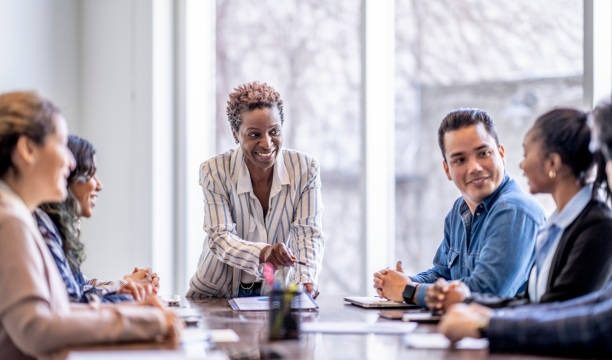
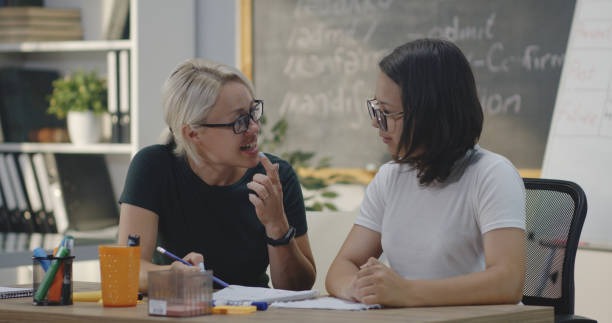
Another gentle yet effective approach is to foster a culture of inquiry within the classroom. Encouraging students to ask questions and explore their curiosities can lead to deeper understanding and engagement. When students feel safe to express their thoughts and ideas, they are more likely to take risks and tackle challenging problems. Teachers can model this behavior by sharing their own thought processes and inviting students to join in. This collaborative atmosphere not only enhances problem-solving skills but also builds strong relationships among peers.
As we consider the various resources available, it’s essential to recognize the power of storytelling. Stories have a unique ability to connect with students on an emotional level, making complex ideas more relatable and understandable. Incorporating literature or personal narratives that highlight problem-solving journeys can inspire students and provide them with valuable insights. Whether it’s a character overcoming obstacles or a real-life hero making a difference, these stories can ignite students’ imaginations and encourage them to think critically about their own challenges.
In addition to these resources, it is important to emphasize the role of reflection in the problem-solving process. After engaging in a problem-solving activity, allowing time for students to reflect on their experiences can deepen their understanding. Questions such as, “What worked well?” and “What could we do differently next time?” can guide students in analyzing their approaches and outcomes. This practice not only enhances their problem-solving skills but also fosters a growth mindset, encouraging them to view challenges as opportunities for learning.
Creating a balanced approach to problem-solving in the classroom also involves acknowledging the emotional aspect of learning. Students may experience frustration or anxiety when faced with difficult tasks, and it is essential to provide support and encouragement. Teachers can help students develop coping strategies and resilience, guiding them to see that setbacks are a natural part of the learning process. By cultivating a safe and supportive environment, educators empower students to embrace challenges with confidence.
As educators explore lesson resources for problem-solving, collaboration among colleagues can be incredibly beneficial. Sharing ideas, strategies, and experiences can lead to a wealth of knowledge that enriches the learning environment. Professional development workshops and collaborative planning sessions can foster a sense of community among educators, allowing them to learn from one another and implement best practices in their classrooms.
In conclusion, the journey toward effective problem-solving in the classroom is a multifaceted one, requiring a blend of diverse resources, supportive environments, and a focus on emotional well-being. By incorporating real-world scenarios, hands-on activities, technology, storytelling, and reflection, educators can create a rich and engaging learning experience that empowers students to tackle challenges with confidence. As we nurture the problem-solvers of tomorrow, we contribute not only to their academic success but also to their growth as compassionate, innovative individuals ready to make a positive impact on the world.