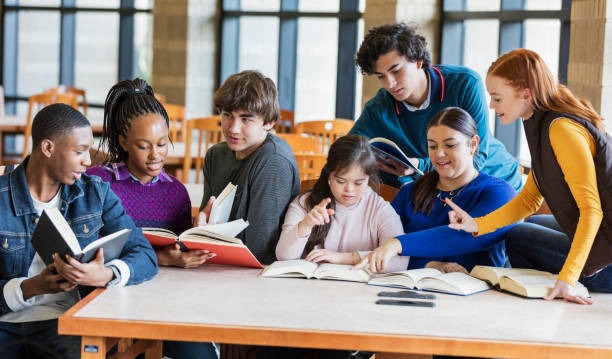
In the vibrant world of education, the classroom serves as a microcosm of society, where young minds gather to learn not just academic skills but also essential life lessons.
Among these lessons, the concept of responsibility stands out as a pillar of personal development.
By establishing classroom rules that encourage accountability and ownership, educators can help students cultivate a sense of responsibility that extends far beyond the school walls.
A gentle reminder of expectations
At the heart of a responsible classroom lies a clear set of expectations. When students understand what is required of them, they are more likely to take ownership of their actions. Establishing rules at the beginning of the school year creates a foundation of trust and respect between teachers and students. Rather than imposing a rigid set of regulations, it can be beneficial to involve students in the creation of these rules. This collaborative approach fosters a sense of belonging and encourages students to take pride in their classroom environment.
When students participate in the rule-making process, they are more likely to internalize the guidelines, recognizing them as a reflection of their shared values rather than mere directives. This sense of ownership can empower students to hold themselves accountable, making them more inclined to follow the established norms.
Encouraging self-reflection
Another essential aspect of nurturing responsibility in the classroom is encouraging self-reflection. When students are given the opportunity to think critically about their actions and the impact those actions have on others, they begin to develop a deeper understanding of accountability. This practice can be woven into daily routines, such as through morning meetings or end-of-day reflections, where students can share their thoughts and feelings about their day.
In these moments of reflection, students can consider questions like, “How did my choices affect my learning today?” or “What can I do differently tomorrow?” By guiding students to think about their actions and the consequences that arise from them, educators help instill a sense of responsibility that is both personal and communal.
Creating a supportive environment
A classroom that fosters responsibility must also be a nurturing space where students feel safe to express themselves and make mistakes. When students know that their classroom is a place where they can learn from their errors without fear of harsh judgment, they are more likely to take risks and engage fully in their learning journey. A supportive atmosphere encourages students to take responsibility for their learning, as they understand that growth often comes from navigating challenges.
Teachers can cultivate this environment by modeling vulnerability and sharing their own experiences with accountability. When students see their educators owning up to mistakes and learning from them, it sends a powerful message that responsibility is a lifelong journey, not a destination. This shared humanity helps to strengthen the bond of trust within the classroom community.
Recognizing achievements and efforts
In a world that often emphasizes results, it’s crucial to shift the focus toward the effort and commitment that students put forth. Recognizing and celebrating achievements, no matter how small, can reinforce the idea that responsibility is not solely about outcomes but also about the journey taken to reach those outcomes. Educators can create opportunities for students to share their successes, fostering a sense of pride and encouraging them to take further ownership of their responsibilities.
Acknowledging effort can take many forms, from simple verbal praise to classroom displays that highlight individual and group accomplishments. This recognition not only boosts self-esteem but also reinforces the idea that responsibility is a value that is appreciated and celebrated within the classroom.
Promoting collaborative learning
Fostering a sense of responsibility can also be achieved through collaborative learning experiences. When students work together on projects or group activities, they learn to rely on one another, recognizing the importance of each member’s contribution. This collective responsibility encourages students to take ownership of their roles within the group, understanding that their actions directly affect their peers.
Group assignments can be designed to promote individual accountability while also highlighting the importance of teamwork. By establishing clear roles and expectations for each group member, educators can help students grasp the significance of their contributions, reinforcing the idea that responsibility is both an individual and a shared endeavor.
Instilling a sense of community
A classroom that prioritizes responsibility is often one that feels like a community. When students feel a sense of belonging, they are more likely to engage with their peers and take responsibility for their actions. Building a strong classroom community can involve team-building activities, shared goals, and open communication. When students see themselves as part of a larger whole, they are more inclined to act in ways that benefit the entire group.
Creating opportunities for students to collaborate on community service projects can also help instill a sense of responsibility beyond the classroom. When students engage in activities that benefit others, they develop empathy and a deeper understanding of their role within the broader community. This connection to a larger purpose can inspire students to take responsibility not just for their own actions but also for the well-being of those around them.
Reflecting on the journey
As educators work to instill a sense of responsibility in their students, it’s essential to recognize that this is an ongoing process. Growth takes time, and students will inevitably face challenges along the way. By maintaining open lines of communication and providing continued support, teachers can help guide students through their journeys of personal accountability.
Ultimately, the classroom rules that strengthen responsibility are not just about enforcing behavior but about nurturing a mindset that values ownership, reflection, and community. By creating a space where students feel empowered to take charge of their actions, educators can help shape individuals who are not only responsible learners but also compassionate and engaged members of society. In doing so, they lay the groundwork for a brighter, more responsible future for all.