In today’s fast-paced world, nurturing cooperation in children has become more essential than ever.
As we guide our little ones through their formative years, instilling the value of working together can pave the way for a harmonious future, filled with understanding and teamwork.
One of the most effective ways to teach children cooperation is through enrichment activities that inspire creativity, problem-solving, and shared experiences.
Creating shared experiences is a wonderful way to foster connection. When children engage in activities that require teamwork, they not only learn to cooperate but also develop vital social skills. Whether it’s a group art project, a science experiment, or a community service initiative, these experiences encourage children to communicate, negotiate, and compromise.
Engaging in group activities can be as simple as organizing a neighborhood clean-up or collaborating on a garden project. These activities not only beautify the environment but also allow children to see the tangible results of their collective efforts. When they witness how their contributions come together to create something meaningful, it reinforces the idea that teamwork can lead to positive outcomes.
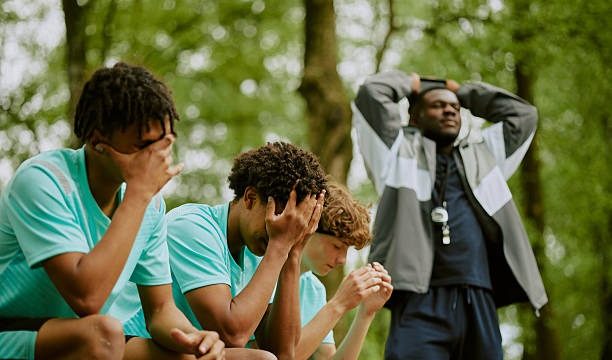
Another enriching avenue for promoting cooperation is through games and sports. Team sports like soccer, basketball, or even cooperative board games can teach children the importance of working together toward a common goal. These settings provide a natural environment for children to practice their interpersonal skills. They learn to support one another, celebrate victories together, and even handle defeats gracefully.
Moreover, the spirit of cooperation can be fostered through storytelling and imaginative play. When children engage in role-playing scenarios, they step into various roles and perspectives, allowing them to understand the importance of empathy and collaboration. Storytelling, whether through books or oral traditions, can also highlight characters who embody the spirit of teamwork. This not only entertains but also teaches valuable lessons about the significance of working together.
A small shift toward balance can also occur in the home environment. Parents can create opportunities for cooperative learning by involving children in family tasks. Cooking a meal together can become a delightful experience, where each member takes on a role, whether it’s chopping vegetables, stirring the pot, or setting the table. This shared responsibility not only makes chores more enjoyable but also reinforces the idea that every contribution is valuable.
In addition, encouraging children to share their interests with one another can create a platform for cooperative learning. For instance, if one child is passionate about music while another loves drawing, facilitating a joint project where they create a musical performance with illustrations can be a wonderful way to blend their talents. This not only promotes teamwork but also allows children to appreciate each other’s unique skills.
As children witness the power of collaboration, they begin to develop a sense of belonging. This sense of community can be particularly enriching when they participate in group classes or workshops. Art classes, science clubs, or even community theater can provide a nurturing environment where children learn to work alongside their peers. Here, they can share ideas, provide constructive feedback, and celebrate each other’s successes.
Creating an environment that values cooperation can also extend to educational settings. Teachers who emphasize collaborative learning techniques, such as group projects or peer tutoring, help children understand the importance of diverse perspectives. This approach allows students to learn from one another, fostering an appreciation for teamwork that can last a lifetime.
As we encourage our children to embrace cooperation, it’s important to model these behaviors ourselves. Children often learn by observing the adults in their lives. When they see parents, caregivers, or teachers collaborating, they internalize these values. Simple acts, like working together on a household project or discussing decisions as a family, can demonstrate the importance of collective effort.
The beauty of teaching cooperation through enrichment is that it can be woven into everyday life. It doesn’t require elaborate plans or expensive resources. Sometimes, the most valuable lessons come from the simplest interactions. A community potluck, where everyone brings a dish to share, can become a cherished memory that teaches children about generosity and collaboration.
In our quest to raise cooperative children, it’s essential to be patient. Learning to work with others is a skill that takes time to develop. Children may face challenges, disagreements, or misunderstandings along the way. These moments, however, provide valuable opportunities for growth. Guiding them through conflicts with understanding and patience will help them learn how to navigate relationships effectively.
As we cultivate cooperation, let’s also celebrate the unique qualities that each child brings to the table. Encouraging individuality within a cooperative framework can create a rich tapestry of experiences and ideas. When children recognize that their differences can enhance teamwork, they become more open to collaboration in various aspects of their lives.
In conclusion, helping children learn cooperation through enrichment activities can have a profound impact on their social development. By creating inclusive experiences that promote teamwork, we empower them to navigate the complexities of relationships with confidence and empathy. As they learn to work together, they not only enrich their own lives but also contribute positively to their communities. So let’s embrace the journey of cooperation, nurturing a generation that understands the beauty of working together for a brighter future.