In today’s educational landscape, fostering the potential of gifted and talented students is more important than ever.
These learners often require different approaches to education, tailored programs, and supportive environments that can help them thrive.
Schools across the globe are stepping up to meet these needs, recognizing that nurturing the unique abilities of gifted students can lead to remarkable outcomes, not only for the individuals but for society as a whole.
Understanding giftedness can be a complex journey. Gifted students may exhibit advanced skills in areas such as academics, creativity, leadership, or artistic expression. However, their needs often extend beyond what is typically offered in a standard curriculum. This is where schools play a pivotal role in creating a nurturing atmosphere that encourages these young minds to explore, innovate, and excel.
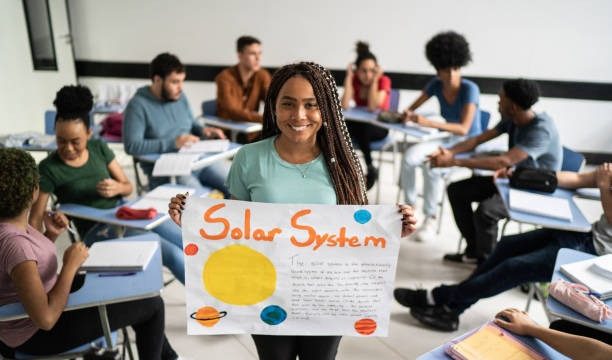
One of the primary ways schools support gifted and talented programs is through specialized curriculum and enrichment opportunities. Many institutions have developed programs that go beyond the traditional classroom experience. These programs often include advanced classes, project-based learning, and opportunities for independent study. By providing a more challenging curriculum, schools can help gifted students engage deeply with subjects of interest, fostering a love for learning that can last a lifetime.
In addition to tailored curriculum offerings, schools are increasingly incorporating enrichment activities that allow gifted students to explore their passions. This might include after-school clubs focused on science, technology, engineering, and mathematics (STEM) or the arts, where students can collaborate on projects and share ideas. Such environments not only stimulate intellectual curiosity but also help students build social connections with like-minded peers.
Collaboration is another key element in supporting gifted learners. Schools are beginning to recognize the value of working together with families and community resources. By fostering open communication between teachers, parents, and students, schools can create a more cohesive support system. This partnership allows for a better understanding of each student’s unique strengths and challenges, ensuring that their educational journey is aligned with their individual needs.
Teachers play a crucial role in identifying and nurturing gifted students. Professional development programs are increasingly focusing on equipping educators with the skills necessary to recognize and support these learners. Training in differentiation strategies enables teachers to modify their instructional approaches, ensuring that gifted students are both challenged and supported in their learning. This thoughtful approach allows educators to create a classroom environment where all students, regardless of their ability level, can flourish.
A small shift toward balance is essential when it comes to supporting gifted students. While it’s important to provide advanced learning opportunities, it’s equally vital to ensure that these students are not overwhelmed. Schools are beginning to prioritize social-emotional learning, helping gifted students develop coping strategies for the pressures they may face. By incorporating mindfulness practices, stress management techniques, and emotional intelligence training into the curriculum, schools can help gifted students find balance in their academic pursuits.
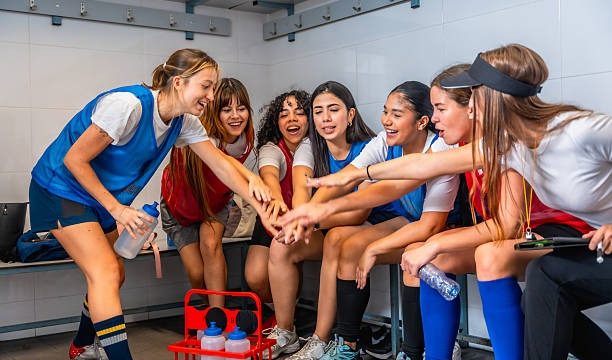
Extracurricular activities also play a significant role in supporting gifted students. Participation in sports, music, drama, or debate can provide valuable opportunities for personal growth and skill development. These activities not only foster a sense of belonging but also allow students to explore interests outside of their academic strengths. Schools are recognizing the importance of a well-rounded education, where students can develop both their intellectual and emotional capabilities.
Another important aspect of gifted education is mentorship. Schools are increasingly connecting gifted students with mentors who can provide guidance and support in their areas of interest. Whether it’s through internships, guest speakers, or community partnerships, mentorship opportunities can inspire gifted learners to pursue their passions and envision a future filled with possibilities. These relationships can be transformative, providing students with insights and encouragement that can propel them forward in their educational journeys.
As we consider the future of education, it’s clear that supporting gifted and talented programs is not just beneficial for the students involved; it enriches the entire school community. When gifted students are encouraged to explore their interests and develop their talents, they are more likely to contribute positively to society. They become innovators, problem solvers, and leaders who can tackle some of the world’s most pressing challenges.
The commitment to nurturing gifted and talented students is a reflection of a school’s dedication to all learners. By fostering an inclusive environment that celebrates diversity in abilities, schools create spaces where every student can thrive. This commitment is not just about academic achievement; it’s about cultivating a generation of compassionate, creative, and capable individuals.
As we move forward, it is heartening to see the growing recognition of the importance of gifted education. Schools are embracing innovative approaches, forming partnerships, and investing in the professional development of educators. In doing so, they are not only supporting gifted students but also enriching the educational experience for all.
In conclusion, the journey of supporting gifted and talented programs is one of collaboration, innovation, and understanding. Schools are rising to the challenge, creating environments where gifted students can shine while also learning the value of balance and community. As we continue to nurture these bright minds, we pave the way for a brighter future for everyone.