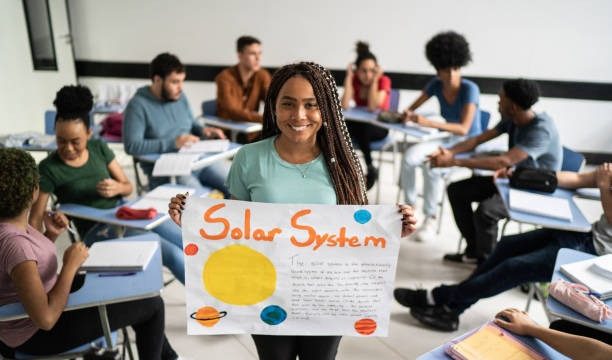
In the ever-evolving landscape of education, schools are increasingly embracing interactive education programs.
This shift reflects a growing understanding of how engagement plays a pivotal role in the learning process.
As the world around us becomes more interconnected and technology-driven, the traditional methods of teaching are being reimagined to foster a more vibrant and participatory learning environment.
The essence of interactive education lies in its ability to captivate students’ attention and spark their curiosity. Traditional lectures often leave students as passive recipients of information, whereas interactive programs invite them to participate actively. This shift transforms the classroom into a dynamic space where students can explore concepts through hands-on activities, collaborative projects, and technology-infused learning experiences.
One of the most significant benefits of interactive education is its capacity to cater to diverse learning styles. Every student possesses a unique way of absorbing information, and interactive programs provide various avenues for engagement. Visual learners may thrive in environments that incorporate multimedia presentations, while kinesthetic learners benefit from physical activities and experiments. By offering multiple modes of learning, schools can create inclusive classrooms that support each student’s educational journey.
Moreover, interactive education fosters critical thinking and problem-solving skills. When students are encouraged to engage with material actively, they learn to analyze, evaluate, and synthesize information rather than merely memorizing facts. This approach not only deepens their understanding of the subject matter but also equips them with essential skills for navigating real-world challenges. In a rapidly changing world, the ability to think critically and creatively is invaluable.
Creating a sense of community in the classroom is another essential aspect of interactive education. Collaborative projects and group discussions encourage students to share ideas, listen to different perspectives, and work together towards common goals. This sense of belonging can significantly enhance their social skills and emotional intelligence, preparing them for future interactions both in and out of school. Schools that prioritize engagement through collaboration nurture a supportive environment where students feel valued and inspired.
Incorporating technology into education has become increasingly important in our digital age. Interactive programs often leverage various tools, such as educational software, online resources, and virtual reality experiences, to enhance learning. These tools not only make lessons more engaging but also prepare students for a future where technology will play a vital role in almost every profession. By familiarizing students with digital resources, schools are equipping them with essential skills for the modern workforce.
One cannot overlook the importance of motivation in the learning process. Interactive education programs often create a sense of excitement and enthusiasm for learning. When students are engaged in activities that resonate with their interests, they are more likely to take ownership of their education. This intrinsic motivation leads to a deeper commitment to learning and a desire to explore subjects beyond the classroom. Schools that prioritize engagement foster lifelong learners who are curious about the world around them.
Teachers play a crucial role in facilitating interactive education. Their ability to create an engaging atmosphere can make all the difference. Educators who embrace innovative teaching methods and encourage student participation cultivate a classroom environment that thrives on curiosity and exploration. This not only enhances students’ learning experiences but also empowers teachers to become more dynamic and creative in their approach.
As schools continue to explore the benefits of interactive education, they often find that such programs can also enhance academic performance. Studies have shown that students who engage in interactive learning experiences tend to achieve higher test scores and demonstrate improved retention of information. This correlation highlights the importance of engagement in fostering academic success, proving that when students are actively involved in their education, the results can be remarkable.
While the benefits of interactive education are clear, implementing these programs does come with its challenges. Schools must invest in resources, training, and technology to create an effective interactive learning environment. However, the long-term rewards far outweigh the initial efforts. By prioritizing engagement, schools are not only enhancing their students’ educational experiences but also preparing them for a world that demands adaptability and innovation.
As we look to the future of education, it is essential to recognize the profound impact that interactive programs can have on students. By encouraging engagement, schools are nurturing a generation of learners who are not only knowledgeable but also equipped with the skills necessary to thrive in an ever-changing world. This holistic approach to education fosters not just academic achievement but also personal growth, creativity, and resilience.
In conclusion, the shift towards interactive education programs represents a significant step forward in the evolution of learning. Schools that embrace this approach are creating vibrant, inclusive, and engaging environments that support diverse learning styles and foster critical thinking. By prioritizing engagement, educators are not only enhancing academic performance but also nurturing a love for learning that can last a lifetime. As we continue to navigate the complexities of modern education, it is heartening to see a growing recognition of the importance of interactive programs in shaping the future of our students. With each small step towards engagement, we are cultivating a brighter tomorrow for generations to come.