In a world that often feels fast-paced and chaotic, schools are increasingly recognizing the importance of nurturing not just academic skills, but also personal growth and emotional well-being.
One of the most effective ways to achieve this is through goal-setting programs.
These initiatives are designed to guide students in identifying their aspirations, breaking them down into achievable steps, and fostering a mindset geared towards success. Understanding how these programs work and the benefits they offer can illuminate their significance in a child’s educational journey.
The essence of goal-setting programs in schools lies in their ability to empower students. By helping them articulate their dreams and objectives, educators can instill a sense of purpose and direction. When students learn to set goals, they are not merely focusing on grades or test scores; they are engaging in a process that encourages self-reflection and personal accountability. This journey begins with the simple yet profound act of thinking about what they truly want to achieve, whether it be in academics, sports, arts, or personal development.
Creating a supportive environment is crucial for the success of any goal-setting initiative. Schools that implement these programs often cultivate a culture where students feel safe to express their ambitions and fears. This nurturing atmosphere allows for open discussions about the challenges of setting and reaching goals. Teachers and mentors play a vital role in this process, guiding students through the intricacies of effective goal-setting. By fostering trust and understanding, educators can help students navigate the ups and downs associated with pursuing their ambitions.
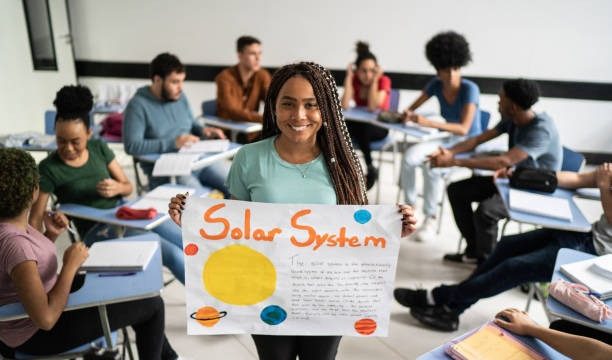
One of the most beneficial aspects of goal-setting programs is the focus on breaking larger objectives into smaller, manageable tasks. This approach demystifies the process and makes it less overwhelming for students. For instance, a student who dreams of becoming a scientist may start by setting short-term goals like improving grades in science classes, participating in science fairs, or seeking mentorship from a teacher. Each small step becomes a building block towards the larger aspiration. This method not only enhances motivation but also cultivates resilience. When students encounter obstacles, they learn to view them as opportunities for growth rather than insurmountable barriers.
Incorporating reflection into the goal-setting process is another important element. Regularly revisiting goals allows students to assess their progress and make necessary adjustments. This practice encourages a growth mindset, where students understand that setbacks are a natural part of the learning process. They learn to celebrate small victories and recognize that persistence is key to achieving their dreams. Reflection can also deepen self-awareness, helping students understand their strengths and areas for improvement. This self-knowledge is invaluable as they navigate both academic and personal challenges.
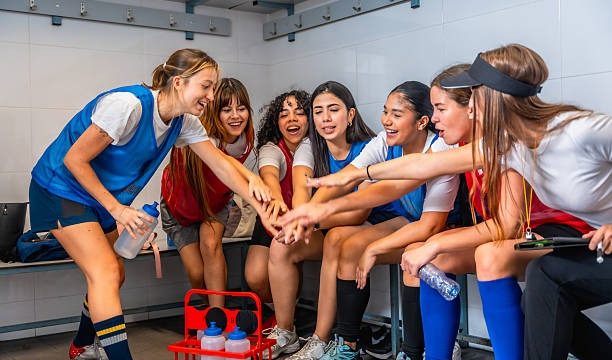
Furthermore, goal-setting programs can enhance collaboration among students. When peers share their goals and support one another in their pursuits, it fosters a sense of community and camaraderie. Group projects or discussions around individual objectives can be incredibly motivating. Students learn that they are not alone in their struggles and that seeking help is a sign of strength, not weakness. This collaborative spirit can help build lasting friendships and create a positive school culture.
A small shift toward balance is also crucial in goal-setting. While it’s important for students to strive for excellence, it’s equally vital to encourage them to maintain a healthy balance between academic pursuits and personal well-being. Goal-setting programs that emphasize holistic development enable students to create goals that encompass not just academic achievements, but also social skills, emotional health, and extracurricular interests. This balanced approach nurtures well-rounded individuals who are better prepared for the complexities of life beyond school.
The integration of technology into goal-setting programs further enhances the experience for students. With various apps and online platforms available, students can track their progress, set reminders, and even connect with mentors outside of their immediate environment. Technology can make the goal-setting process more engaging and interactive, allowing students to visualize their achievements and stay motivated. This digital aspect can particularly resonate with younger generations who are accustomed to using technology in their daily lives.
As these programs evolve, it is essential for educators and administrators to remain mindful of the diverse needs of their students. Not every student will approach goal-setting in the same way, and it is vital to provide flexibility in how goals are set and achieved. Some may thrive in structured environments, while others may prefer a more freeform approach. By recognizing and accommodating these differences, schools can ensure that every student has the opportunity to benefit from goal-setting initiatives.
In conclusion, goal-setting programs in schools serve as a powerful tool for personal and academic development. They empower students to dream big while providing the roadmap to turn those dreams into reality. By fostering a supportive environment, encouraging reflection, promoting collaboration, and integrating technology, these programs can help students navigate their educational journeys with confidence and resilience. As we continue to understand and refine these initiatives, we pave the way for future generations to not only achieve their goals but to thrive in all aspects of life. The journey of goal-setting is not just about reaching a destination; it’s about embracing the growth and learning that occurs along the way.