In today’s fast-paced world, effective communication skills are more essential than ever, especially for students who are preparing to step into a diverse and interconnected society.
Schools are increasingly recognizing the importance of teaching these vital skills, and many are implementing communication skills programs designed to foster collaboration, empathy, and clarity.
These programs not only enhance academic performance but also contribute to the overall well-being of students, preparing them for both personal and professional success.
Creating a foundation for connection
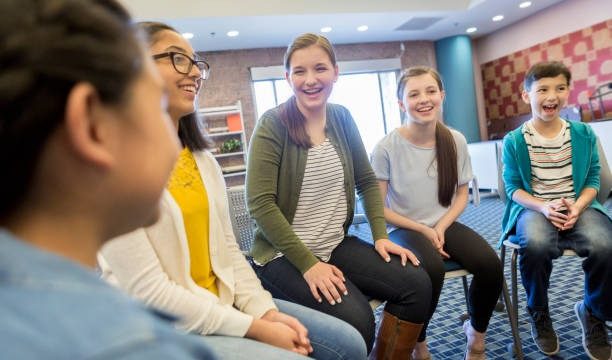
At the heart of communication skills programs is the idea that connection is fundamental to human interaction. Schools have begun to understand that teaching students how to express themselves clearly and listen actively can create a more harmonious learning environment. Through various activities, students learn to articulate their thoughts and feelings, whether they are participating in group discussions or presenting their ideas in front of the class. This emphasis on connection helps students build relationships with their peers and teachers, creating a supportive community where everyone feels valued.
Fostering empathy and understanding
One of the most beautiful aspects of communication is its ability to foster empathy. Schools are incorporating programs that encourage students to view situations from multiple perspectives. Activities such as role-playing and storytelling allow students to step into someone else’s shoes, enhancing their ability to empathize with others. This is particularly important in today’s diverse classrooms, where students come from various backgrounds and cultures. By nurturing empathy through communication, schools are helping to cultivate a generation that values understanding and compassion, essential traits for a peaceful society.
Encouraging collaboration
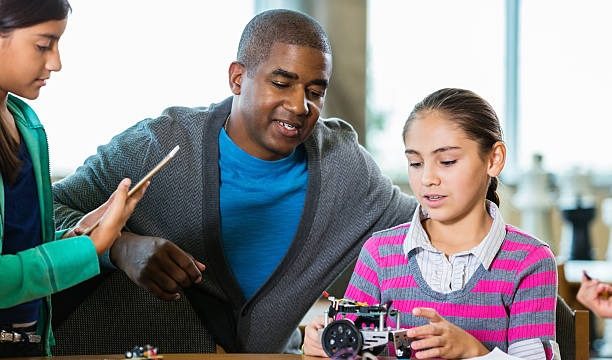
Collaboration is a key component of effective communication, and schools are embracing this by integrating group projects and peer-to-peer learning into their curricula. These collaborative experiences teach students how to work together toward common goals, navigate differing opinions, and resolve conflicts amicably. As students learn to communicate effectively within a team, they also develop essential life skills such as leadership, negotiation, and compromise. These experiences not only enrich their academic journey but also prepare them for future workplace environments, where teamwork is often a fundamental aspect of success.
The role of technology in communication
In this digital age, technology plays a significant role in how we communicate. Schools are recognizing the need to equip students with the skills to navigate both in-person and virtual interactions. Communication skills programs often include training in digital literacy, teaching students how to express themselves appropriately online while being mindful of their audience. By blending traditional communication techniques with modern technology, schools are preparing students for a world where effective communication spans various platforms, from face-to-face conversations to social media interactions.
Building confidence through practice
A key benefit of communication skills programs is the boost in self-confidence they provide to students. Many students may feel apprehensive about speaking in front of others or sharing their thoughts in a group setting. Through practice and constructive feedback, these programs create a safe environment where students can refine their skills without fear of judgment. As they become more comfortable expressing themselves, their confidence grows. This newfound self-assurance can have a ripple effect, positively impacting their academic performance and personal relationships.
A holistic approach to communication
Schools are beginning to take a holistic approach to communication skills, recognizing that it encompasses not just verbal exchanges but also non-verbal cues and emotional intelligence. Programs often include elements of mindfulness and self-reflection, encouraging students to be aware of their body language and tone of voice. By addressing the full spectrum of communication, schools are helping students become more effective communicators in all aspects of their lives. This comprehensive understanding fosters a deeper connection with others, enhancing both personal and academic relationships.
Engaging families in the conversation
Communication skills programs are not limited to the classroom; they often extend to the family unit as well. Schools are increasingly involving parents and guardians in these initiatives, recognizing the importance of a supportive home environment. Workshops and seminars are provided to help families understand the principles of effective communication, allowing them to reinforce these skills at home. By creating a partnership between schools and families, students receive consistent messaging about the value of communication, further solidifying their learning experience.
Celebrating progress and growth
As students engage in communication skills programs, it’s essential to celebrate their progress and growth. Schools often showcase students’ achievements through presentations or performances, allowing them to demonstrate their newfound skills in a supportive environment. These events not only build confidence but also create a sense of pride within the school community. Recognizing the importance of communication fosters a culture of continuous improvement, encouraging students to embrace learning as a lifelong journey.
Looking ahead
As we move forward, the emphasis on communication skills in schools is likely to grow even stronger. Educators are increasingly aware of the critical role communication plays in shaping not just academic success but also personal development and social interaction. As schools continue to refine and develop their communication programs, we can expect to see students emerging as confident, empathetic individuals ready to navigate the complexities of the world around them.
In conclusion, communication skills programs in schools are making a significant impact on students’ lives. By fostering connection, empathy, and collaboration, these initiatives are equipping students with the tools they need to thrive in an ever-changing world. As students learn to express themselves clearly and engage meaningfully with others, they are not only enhancing their academic performance but also nurturing the qualities that will serve them well throughout their lives. The journey to becoming an effective communicator is one that enriches both the individual and the community, creating a brighter future for all.