In the ever-evolving landscape of education, schools are increasingly recognizing the importance of problem-solving programs in shaping well-rounded individuals.
These initiatives not only enrich the academic experience but also cultivate essential life skills that students will carry with them well beyond the classroom.
As we explore how schools are building skills through these programs, we can appreciate the gentle art of problem-solving as a cornerstone of both personal growth and community development.
At the heart of problem-solving programs is the idea that learning can be both engaging and practical. Rather than relying solely on traditional methods of instruction, educators are weaving real-world challenges into the curriculum. This approach invites students to step outside their comfort zones and tackle issues that require critical thinking, creativity, and collaboration. Whether it’s through hands-on projects, group discussions, or interactive simulations, the focus is on fostering a mindset that embraces challenges rather than shying away from them.
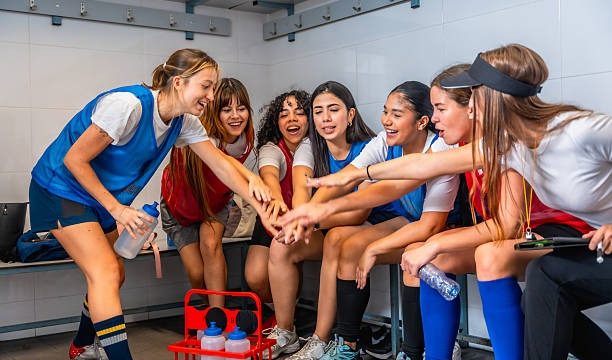
As students dive into problem-solving scenarios, they often find themselves working in teams. This collaborative aspect is crucial, as it mirrors the dynamics of the workplace and society at large. Through teamwork, students learn to communicate effectively, listen actively, and value diverse perspectives. These experiences not only enhance their social skills but also teach them the importance of empathy and respect for others. In a world that often feels divisive, nurturing these qualities in young people can lead to more harmonious interactions and a greater sense of community.
The beauty of problem-solving programs lies in their versatility. They can be tailored to suit various age groups and learning styles, making them accessible to a wide range of students. For younger children, simple challenges like building a structure with limited materials can spark curiosity and ignite their imaginations. As they progress into middle and high school, the problems become more complex, often involving real-life issues such as environmental sustainability or social justice. This progression not only keeps students engaged but also helps them see the relevance of their education in the world around them.
Another significant benefit of problem-solving programs is the development of resilience. In life, setbacks are inevitable, and how we respond to them can define our success. Through these programs, students learn that failure is not the end of the road but rather a stepping stone toward finding solutions. By experiencing the trial-and-error process in a supportive environment, they cultivate a growth mindset that encourages perseverance. This resilience will serve them well in their academic pursuits and personal lives, empowering them to face challenges head-on with confidence.
As we consider the role of educators in this process, it becomes evident that they are not merely instructors but facilitators of learning. Teachers guide students through the problem-solving journey, providing support and encouragement while allowing them the freedom to explore their ideas. This nurturing approach fosters a sense of ownership over their learning, motivating students to take initiative and seek out solutions on their own. It transforms the classroom into a dynamic environment where curiosity thrives and innovation flourishes.
In addition to fostering essential skills, problem-solving programs also inspire creativity. Students are encouraged to think outside the box and approach challenges from different angles. This creative thinking is not just beneficial for academic success; it can lead to groundbreaking solutions in various fields, from technology to the arts. By nurturing the creative spirit within students, schools are preparing them to become thinkers and innovators who can contribute meaningfully to society.
Moreover, these programs often extend beyond the classroom walls. Schools are increasingly partnering with local organizations and businesses to provide students with opportunities to engage in community-based problem-solving projects. This connection to the community not only enhances the learning experience but also instills a sense of civic responsibility. Students learn that they have the power to effect change in their communities, fostering a sense of belonging and purpose.
As we reflect on the positive impact of problem-solving programs, it’s clear that they do more than teach students how to solve specific problems. They cultivate essential life skills that prepare young people for the complexities of the world. By promoting collaboration, resilience, creativity, and community engagement, schools are equipping students with the tools they need to navigate challenges and seize opportunities.
In a fast-paced, ever-changing world, the ability to think critically and solve problems is invaluable. Schools that prioritize these skills through innovative programs are not just preparing students for exams; they are preparing them for life. The journey of problem-solving becomes a metaphor for life itself—filled with twists, turns, and unexpected challenges. It’s about learning to embrace the journey, find joy in the process, and emerge stronger and wiser.
Ultimately, the focus on problem-solving within education reflects a broader understanding of what it means to be educated in today’s world. It’s not just about acquiring knowledge but also about developing the character and skills necessary to thrive in an increasingly complex society. As schools continue to build these programs, they are nurturing a generation of thoughtful, engaged, and resilient individuals who will undoubtedly leave a positive mark on the world.
In conclusion, problem-solving programs in schools are a vital part of modern education, shaping not only academic success but also the very essence of who students become. By fostering skills that transcend the classroom, these initiatives are paving the way for a brighter future—one filled with thoughtful problem solvers ready to tackle the challenges of tomorrow. The journey is just beginning, and the possibilities are endless.