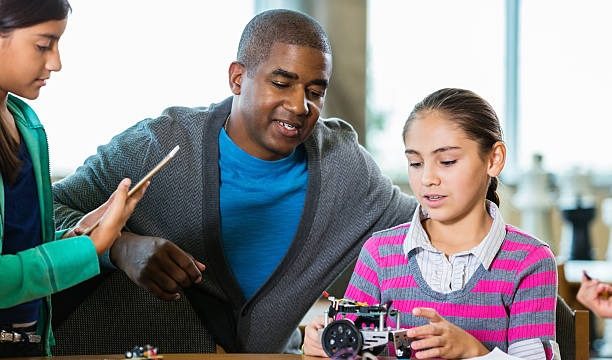
In recent years, schools across the globe have been embracing STEAM-focused programs with an enthusiasm that reflects a growing recognition of their importance in education.
STEAM, which stands for Science, Technology, Engineering, Arts, and Mathematics, offers a holistic approach that nurtures creativity alongside analytical thinking.
This blend is not just a trend; it represents a significant shift in how we prepare our children for a rapidly changing world.
A gentle integration of creativity and logic
One of the most compelling reasons schools are adopting STEAM programs lies in their ability to marry creativity with logic. Traditionally, educational systems have often compartmentalized subjects, leading to a divide between the arts and the sciences. However, modern challenges require a more integrated skill set. STEAM encourages students to think outside the box, drawing on artistic inspiration to solve complex problems in science and technology. This combination fosters innovative thinking, which is essential in today’s job market.
For instance, consider a project where students design a bridge using principles of engineering while also incorporating aesthetic elements. Such activities not only reinforce technical skills but also promote an appreciation for design and creativity. This holistic approach is instrumental in developing well-rounded individuals who can navigate diverse challenges.
Creating collaborative environments
Another remarkable aspect of STEAM-focused programs is their emphasis on collaboration. In a world that increasingly values teamwork and partnership, schools are recognizing the importance of teaching students how to work together effectively. STEAM initiatives often involve group projects that require students to communicate, share ideas, and build upon each other’s strengths. This collaborative spirit mirrors real-world scenarios where individuals must come together to create solutions.
When students engage in collaborative learning, they develop vital interpersonal skills. They learn to listen actively, provide constructive feedback, and compromise—all essential traits for future success. This social component of learning nurtures empathy and respect for diverse perspectives, enriching the educational experience.
Encouraging critical thinking and problem-solving
At the heart of STEAM education is a focus on critical thinking and problem-solving. Students are encouraged to ask questions, explore possibilities, and engage in hands-on learning experiences. This inquiry-based approach allows them to investigate real-world problems, fostering a sense of curiosity and wonder.
For instance, a science project might involve investigating local environmental issues, allowing students to connect classroom concepts with their community. This connection not only deepens their understanding but also empowers them to take action. By tackling real-world challenges, students learn to think critically and develop solutions that can make a difference.
Fostering resilience and adaptability
In a rapidly evolving world, resilience and adaptability are crucial traits for success. STEAM programs are designed to cultivate these qualities by encouraging students to embrace failure as a learning opportunity. In the creative process, setbacks are inevitable. However, STEAM education teaches students to view these challenges as stepping stones toward improvement.
For example, when a prototype doesn’t function as intended, students learn to analyze what went wrong, adjust their approach, and try again. This iterative process not only builds resilience but also instills a growth mindset, where students understand that perseverance and effort lead to mastery. Such skills are invaluable as they navigate their academic journeys and eventually enter the workforce.
Connecting with the community
Many STEAM-focused programs emphasize community engagement, allowing students to connect their learning with the world around them. Schools often partner with local organizations, businesses, and professionals to provide students with real-world experiences. These collaborations can take many forms, from internships to mentorship programs, enabling students to gain insights into various careers.
By engaging with their communities, students not only enhance their learning but also develop a sense of responsibility and civic engagement. They begin to understand their role in society and how their skills can contribute to positive change. This connection fosters a sense of belonging and purpose, enriching their educational experience.
Preparing for the future
As we look ahead, the importance of STEAM education becomes even more evident. The job market is increasingly demanding individuals who can navigate complex problems and think creatively. Fields such as technology, healthcare, and engineering require a blend of technical skills and innovative thinking. By incorporating STEAM into the curriculum, schools are preparing students for the future, equipping them with the tools they need to excel.
Moreover, STEAM education encourages lifelong learning. As students cultivate a love for inquiry and exploration, they are more likely to pursue knowledge beyond the classroom. This passion for learning can lead to greater adaptability in an ever-changing world, allowing individuals to stay relevant and thrive in their chosen fields.
A harmonious approach to education
Ultimately, the shift toward STEAM-focused programs represents a harmonious approach to education. By valuing both the arts and sciences, schools are nurturing a generation of thinkers, creators, and problem-solvers. This balance encourages students to embrace their unique talents while developing a diverse skill set that will serve them throughout their lives.
As we continue to evolve in our understanding of education, it’s heartening to see schools prioritize STEAM initiatives. These programs not only enrich the academic experience but also foster a sense of curiosity, collaboration, and resilience. In doing so, they prepare students not just for careers, but for fulfilling lives where they can make meaningful contributions to society.
In a world where change is the only constant, the integration of STEAM in education offers a path forward. By embracing this comprehensive approach, we are not just shaping the future of our children, but also the future of our communities and the world at large. This commitment to nurturing creativity and critical thinking will undoubtedly pave the way for a brighter tomorrow.