In the dynamic landscape of education, fostering creativity within the classroom has become a vital component of effective learning.
Encouraging students to engage in creative discussions not only enhances their understanding of subjects but also nurtures their critical thinking and communication skills.
By incorporating thoughtful and engaging activities, educators can create an environment where ideas flourish, and students feel empowered to express themselves.
A gentle invitation to express thoughts
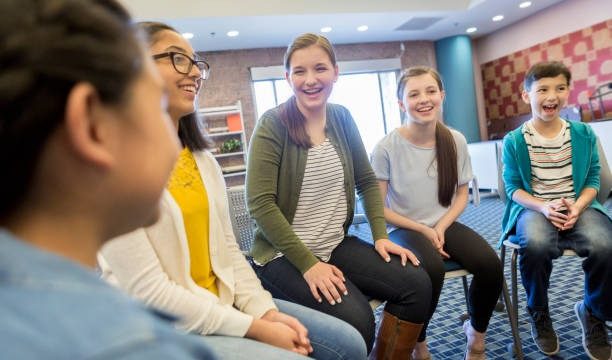
One effective activity is to create a “talking circle.” In this format, students sit in a circle and share their thoughts on a topic, using a talking piece to designate who has the floor. This not only encourages students to listen actively but also gives them a platform to express their ideas without interruption. The talking circle fosters a sense of community and respect, allowing quieter students to find their voice in a supportive atmosphere. As they pass the talking piece around, students can build on each other’s ideas, leading to a rich tapestry of discussion that deepens understanding and encourages collaborative thinking.
Exploring perspectives through role-play
Role-playing can be an incredibly effective way to inspire creative discussions. By stepping into different characters or perspectives, students can explore complex subjects in a more relatable and engaging manner. For example, when studying a historical event, students might take on the roles of different figures involved, allowing them to discuss motivations and consequences from various viewpoints. This immersive experience not only enhances empathy but also encourages critical thinking as students analyze the dynamics at play. Through role-play, discussions can evolve into deeper conversations about ethics, choices, and the impact of individual actions on larger events.
Connecting through art and storytelling
Another wonderful avenue for stimulating creative dialogue is through the integration of art and storytelling. Students can be invited to create visual representations of their thoughts or feelings about a particular topic, whether it be through drawing, painting, or digital media. Once their artwork is complete, they can share their creations with the class, explaining the inspiration behind their work. This not only encourages students to articulate their ideas but also opens the floor for discussions about interpretation and meaning. Storytelling, too, can be a powerful tool. By sharing personal anecdotes or fictional tales that relate to the subject matter, students can connect emotionally and intellectually, enriching the overall learning experience.
A small shift toward balance
Incorporating mindfulness practices into classroom discussions can also foster a more creative environment. Activities like guided meditation or reflective journaling can help students center themselves, clearing their minds for open dialogue. When students take a moment to breathe and focus, they are often more willing to engage in meaningful conversations. This mindful approach encourages them to be present and attentive, enhancing their ability to listen and respond thoughtfully to their peers. By creating space for reflection, educators can cultivate a classroom atmosphere that values both individual thought and collaborative discussion.
Engaging with current events
In our ever-changing world, discussing current events can spark creative conversations that resonate with students’ lives. Educators can introduce relevant news stories or issues, encouraging students to share their opinions and insights. This not only helps them stay informed but also provides a platform for discussing broader themes such as social justice, environmental concerns, and cultural diversity. By analyzing these topics, students can engage in respectful debates, practice empathy, and develop their critical thinking skills. As they navigate differing viewpoints, they learn the importance of civil discourse and the value of understanding perspectives beyond their own.
The power of collaborative projects
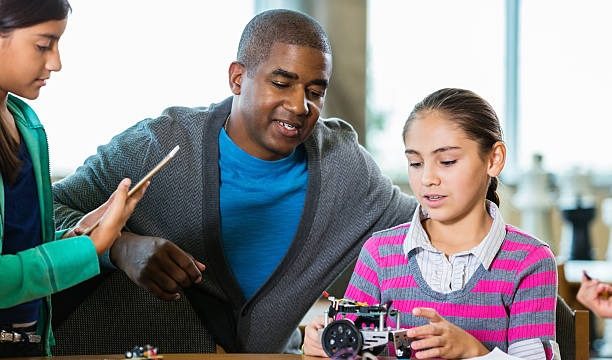
Group projects can be a fantastic way to encourage creative discussions, especially when structured to allow for autonomy and exploration. By assigning students a common goal while giving them the freedom to choose how to achieve it, they can brainstorm ideas and collaborate in ways that spark their creativity. Whether it’s creating a presentation, producing a short film, or developing a community service project, the collaborative nature of these tasks fosters open communication and teamwork. As they work together, students can challenge each other’s ideas, leading to more refined thoughts and deeper insights. This collaborative spirit not only enhances creativity but also helps build essential social skills.
Fostering a culture of curiosity
Creating a classroom environment that celebrates curiosity is fundamental to encouraging creative discussions. Educators can invite students to pose questions about the material they’re studying, fostering a sense of ownership over their learning process. When students feel empowered to ask “why” and “how,” it opens up avenues for exploration and dialogue. Teachers can model curiosity by sharing their own questions or uncertainties about a topic, demonstrating that learning is a lifelong journey. This shared exploration encourages students to engage in discussions that are not only creative but also deeply meaningful.
In conclusion, the classroom can be a vibrant space for creative discussion when educators thoughtfully incorporate activities that encourage engagement and expression. By inviting students to share their thoughts in a structured yet open environment, the potential for enriched learning experiences grows immeasurably. Whether through talking circles, role-playing, art, storytelling, or collaborative projects, each activity serves as a building block for a more dynamic and inclusive classroom culture. As students engage in these creative discussions, they not only expand their understanding of the world around them but also develop the skills necessary to navigate it with confidence and empathy. In nurturing creativity and dialogue, educators are shaping not just learners, but thoughtful and engaged citizens ready to contribute to a more connected world.