Creating an inclusive and welcoming classroom environment is essential for fostering a sense of belonging among all students.
When lessons are accessible, every child has the opportunity to engage, participate, and thrive.
Whether you are a seasoned educator or just starting out on your teaching journey, incorporating thoughtful activities into your lessons can make a world of difference. Here are some gentle suggestions for classroom activities that can enhance accessibility and enrich the learning experience for everyone.
A gentle invitation to participation
One of the simplest ways to make lessons more accessible is by inviting all students to participate in discussions. Rather than relying solely on hands raised in the traditional manner, consider creating a “talking stick” or a similar object that can be passed around. This allows students to speak when they have the object in hand, ensuring that everyone has a chance to share their thoughts without the pressure of competing for attention. This method not only encourages inclusivity but also fosters active listening, as students await their turn to contribute.
Creating a sensory-friendly space
The physical environment of a classroom can significantly impact students’ ability to focus and engage. Consider incorporating sensory-friendly elements into your classroom. Soft lighting, fidget tools, and comfortable seating options can create a calming atmosphere that helps students feel at ease. Designating a quiet corner with cushions or bean bags can also provide a retreat for those who may need a moment to regroup. By being mindful of sensory needs, you create a space where all students can feel secure and ready to learn.
Embracing collaborative learning
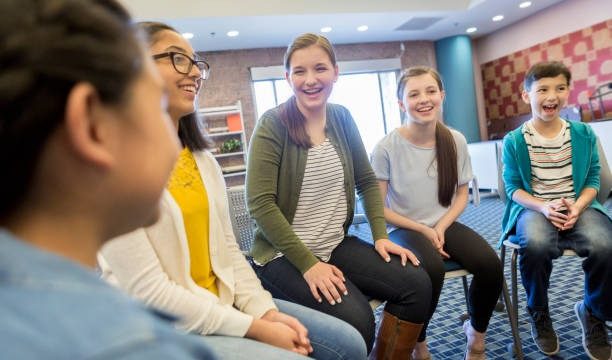
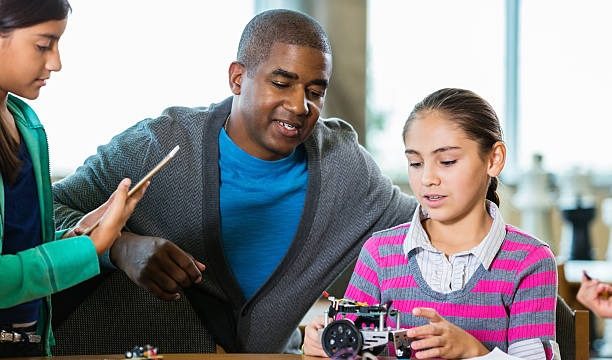
Collaboration is a powerful tool in the classroom. Engaging students in group activities can help them learn from one another and build social skills in a supportive environment. Consider assigning mixed-ability groups for projects, where students can share their strengths and support each other’s learning. This approach not only enhances accessibility but also encourages empathy and understanding among peers. When students work together, they can celebrate diverse perspectives and create a richer learning experience.
A small shift toward balance
Incorporating movement into lessons can be a game-changer for accessibility. Many students learn better when they can engage their bodies as well as their minds. Simple activities, like stretching or short brain breaks, can help reset focus and energy levels. Try integrating movement into your lessons by incorporating educational games that require physical activity. This approach can be particularly beneficial for kinesthetic learners and can create a dynamic atmosphere that keeps students engaged.
Utilizing technology thoughtfully
In today’s digital age, technology can play a significant role in making lessons more accessible. There are numerous tools and apps designed to support diverse learning needs. For example, audio books and speech-to-text software can aid students who struggle with traditional reading and writing tasks. Interactive whiteboards can engage visual learners and allow for collaborative brainstorming. By thoughtfully integrating technology into your lessons, you can provide multiple pathways for students to access and engage with the material.
Fostering a culture of feedback
Creating a space where students feel comfortable providing feedback can enhance accessibility in the classroom. Encourage students to share their thoughts on lessons and activities, and be open to making adjustments based on their input. This practice not only empowers students but also helps you tailor your teaching methods to better suit their needs. When students see that their voices matter, they are more likely to engage wholeheartedly in the learning process.
A personal touch
As an educator, building relationships with your students is key to creating an accessible learning environment. Take the time to get to know each child’s interests, strengths, and challenges. Simple gestures, like checking in with students individually or incorporating their interests into lessons, can make a big difference. When students feel valued and understood, they are more likely to participate actively in class discussions and activities.
Celebrating diversity through curriculum
Incorporating diverse perspectives into your curriculum can make lessons more accessible and relatable for all students. Choose books, resources, and topics that reflect a variety of cultures, experiences, and viewpoints. This not only enriches the learning experience but also helps students see themselves in the material. When students feel represented, they are more likely to engage and connect with the content on a deeper level.
Nurturing emotional well-being
Emotional well-being is a crucial aspect of accessibility. Creating a safe space for students to express their feelings can enhance their ability to learn and participate. Consider integrating social-emotional learning activities into your routine. Simple practices, such as morning check-ins or mindfulness moments, can help students feel grounded and ready to learn. When emotional needs are met, students are more likely to thrive academically and socially.
Reflecting on your practice
Lastly, taking time to reflect on your teaching practices can lead to greater accessibility in the classroom. Regularly assess what is working and what may need adjustment. Seek feedback from colleagues or attend professional development workshops focused on inclusive teaching strategies. By continually striving to improve, you can create a learning environment that meets the diverse needs of your students.
By embracing these gentle, thoughtful approaches, educators can create a classroom environment that is truly accessible for all. Each small change can lead to a more inclusive space where every student feels valued and empowered to learn. As we nurture these practices, we contribute to a more equitable educational experience, fostering a love of learning that will last a lifetime.