In the ever-evolving landscape of education, the age-old debate about the efficacy of traditional classroom learning versus practical fieldwork is more relevant than ever.
As students navigate their academic paths, the integration of real-world experiences into their education can be a transformative journey.
Practical fieldwork not only enhances learning but also nurtures personal growth, making it an invaluable component of a student’s educational experience.
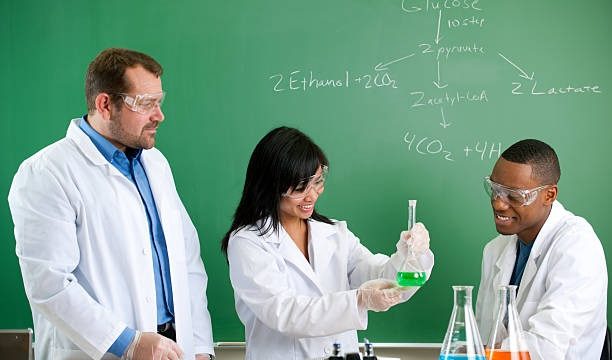
One of the most significant benefits of practical fieldwork is the opportunity for hands-on learning. While textbooks provide foundational knowledge, nothing quite compares to the experience of applying that knowledge in a real-world setting. Whether it’s conducting experiments in a lab, engaging with communities during a service project, or participating in internships relevant to their field of study, students gain insights that are difficult to replicate in a classroom. This immersive experience helps to solidify their understanding, making the learning process more engaging and meaningful.
As students venture into the field, they encounter challenges that encourage critical thinking and problem-solving skills. Navigating unexpected situations requires adaptability and resourcefulness, traits that are essential in today’s fast-paced world. For instance, a student working on a community health project might find that their initial approach needs to be adjusted based on the dynamics of the community they are serving. Such experiences teach students to think on their feet and develop solutions that are both practical and innovative.
Another significant advantage of fieldwork is the chance to build connections with professionals and peers in their chosen fields. Networking is a crucial aspect of career development, and practical experiences often provide the perfect platform for students to meet mentors and industry leaders. By engaging with professionals, students can gain insights into the realities of their future careers, receive valuable advice, and even discover job opportunities that may not be advertised. These connections can be instrumental as they transition from the academic world into the workforce.
As students immerse themselves in real-world scenarios, they also cultivate a deeper sense of empathy and social awareness. Fieldwork often places students in diverse environments where they interact with individuals from various backgrounds and life experiences. This exposure fosters a greater understanding of societal issues and challenges, encouraging students to think beyond their own perspectives. Such experiences can be particularly impactful in fields like social work, education, and healthcare, where understanding the needs and experiences of others is crucial.
Moreover, practical fieldwork can significantly enhance a student’s confidence. Stepping outside the classroom and into the real world can be daunting, but successfully navigating these experiences helps students build self-assurance. Completing a project, conducting research, or even simply communicating with community members can instill a sense of accomplishment. This newfound confidence often translates into other areas of their academic and personal lives, empowering students to take on new challenges with a positive mindset.
The benefits of practical fieldwork extend beyond technical skills and knowledge. It can also play a critical role in personal development. Students often discover new interests and passions as they engage in fieldwork, which can lead them to explore career paths they might not have considered otherwise. For example, a student studying environmental science might find a love for conservation efforts while volunteering at a local wildlife reserve. Such experiences can help clarify their goals and aspirations, guiding them toward fulfilling careers.
In addition to personal growth, fieldwork can enhance students’ ability to work collaboratively. Many practical experiences require teamwork, and learning how to collaborate effectively with others is an essential skill in any profession. As students work alongside peers and professionals, they learn to communicate openly, respect diverse viewpoints, and contribute to shared goals. These interpersonal skills are invaluable, as they not only enhance academic projects but also prepare students for the collaborative nature of most workplaces.
Furthermore, the reflective nature of fieldwork allows students to develop a habit of self-assessment and critical reflection. After completing a fieldwork project, students often take time to evaluate their experiences, considering what went well and what could be improved. This practice of reflection encourages continuous learning and growth, helping students to become more self-aware and proactive in their personal and professional development.
As we consider the myriad benefits of practical fieldwork, it’s important to recognize that these experiences often require support and guidance from educators. Teachers and mentors play a crucial role in facilitating meaningful fieldwork opportunities and helping students navigate the challenges they may encounter. When educators are invested in the success of their students, they can help create an environment where practical learning flourishes.
In conclusion, the integration of practical fieldwork into education offers students a wealth of benefits that extend far beyond the classroom. From hands-on learning and networking opportunities to personal growth and enhanced confidence, fieldwork enriches the educational experience in profound ways. As students step into the world beyond textbooks, they not only acquire knowledge but also develop the skills, empathy, and resilience needed to thrive in their future endeavors. Embracing practical fieldwork is not merely an educational choice; it is a vital step toward preparing students for the complexities of life and work in an ever-changing world.