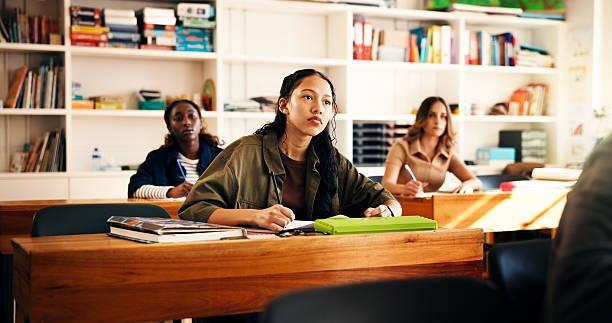
In the world of education, the importance of peer review often resonates like a soothing melody, creating harmony among students and educators alike.
This process, when approached with care, fosters not only academic growth but also the development of strong, trusting relationships that can last a lifetime.
Imagine a classroom where students are not just recipients of knowledge but active participants in a vibrant dialogue, sharing insights and supporting one another’s learning journeys. This vision is the essence of peer review, a practice that can transform the educational landscape into a nurturing environment.
Creating a culture of trust is essential for effective peer review. When students feel safe to express their thoughts and ideas, they open up to constructive feedback that can enhance their understanding and skills. This dynamic doesn’t just happen overnight; it requires intentional efforts to cultivate an atmosphere where everyone feels valued. Encouraging open communication and emphasizing the importance of respect can lay the groundwork for these meaningful interactions. When students know that their contributions are appreciated, they are more likely to engage wholeheartedly, leading to richer discussions and deeper learning.
A gentle shift toward collaboration can also enhance the peer review process. Instead of viewing assessments as a solitary task, students can learn to see them as opportunities for partnership. By working together, they can share their unique perspectives and experiences, enriching each other’s learning. This collaborative spirit fosters empathy and understanding, allowing students to appreciate the diverse viewpoints that their peers bring to the table. As they navigate the complexities of their subjects, they also learn valuable life skills, such as teamwork and communication, that will serve them well beyond the classroom.
Building strong relationships through peer review also hinges on the idea of shared responsibility. When students take ownership of their learning, they become more invested in the process. Encouraging them to set goals and reflect on their progress can empower them to take charge of their educational experiences. This sense of accountability not only enhances their academic performance but also strengthens their connections with their peers. As they support one another in reaching their goals, they create a network of encouragement that fosters resilience and perseverance.
The role of feedback in peer review cannot be understated. Thoughtful, constructive feedback serves as a guiding light, illuminating areas for improvement while celebrating successes. When students learn to give and receive feedback with kindness and clarity, they cultivate an environment of growth and support. This process can be as simple as sharing a few encouraging words or offering insights on how to enhance a particular piece of work. The key is to approach feedback as a collaborative dialogue rather than a critique, allowing students to feel empowered rather than discouraged.
Incorporating regular peer review sessions into the learning framework can further strengthen these relationships. These sessions provide structured opportunities for students to engage with one another, ensuring that they make time for this essential aspect of their education. Whether it’s through group discussions, paired assignments, or even informal check-ins, creating dedicated moments for peer interaction can enhance the learning experience. These shared moments not only reinforce academic concepts but also foster a sense of community and belonging among students.
As students become more comfortable with peer review, they may also discover the joy of mentorship. Those who have gained confidence in their skills can take on the role of guiding their peers. This mentorship dynamic can be incredibly rewarding, as it allows for a deeper connection built on mutual respect and admiration. Students who mentor others often find that teaching is one of the best ways to solidify their own understanding. This cycle of learning and teaching nurtures a culture of continuous improvement, where everyone benefits from the collective knowledge of the group.
It’s important to remember that the journey of peer review is not without its challenges. Some students may initially struggle with vulnerability, feeling hesitant to expose their work to scrutiny. This is where the role of educators becomes pivotal. By modeling positive feedback practices and demonstrating how to approach peer review with an open mind, teachers can guide students through the initial discomfort. As students witness their peers engaging in constructive dialogue, they will gradually feel more comfortable participating in the process themselves.
A small shift toward balance can also play a significant role in the peer review experience. Encouraging students to reflect on their own learning while also considering the perspectives of their peers can create a more holistic approach. This balance allows for a deeper understanding of the material, as students learn to appreciate not only their own insights but also the valuable contributions of others. By fostering this sense of interconnectedness, students can develop a more comprehensive view of their subjects, leading to enhanced critical thinking skills.
Ultimately, peer review that builds strong learning relationships is about more than just academic achievement. It’s about nurturing a sense of community, fostering empathy, and encouraging students to grow together. When students feel connected to one another, they are more likely to engage deeply with their learning and support one another through challenges. This collaborative spirit not only enriches their educational experience but also prepares them for the complexities of life beyond the classroom.
In conclusion, the practice of peer review serves as a powerful tool for building strong, lasting relationships among students. By creating a culture of trust, encouraging collaboration, and fostering a sense of shared responsibility, educators can help their students thrive in a supportive environment. As students navigate their learning journeys together, they not only enhance their academic skills but also cultivate the relationships that will shape their lives for years to come. Embracing peer review as a cornerstone of education can lead to a brighter, more connected future for all learners.