In the journey of education, measuring learning outcomes often feels like trying to catch water with our bare hands.
It’s a delicate balance between ensuring that knowledge is absorbed and recognizing the unique paths each learner takes.
As we explore this topic, let’s consider a supportive approach to measuring learning outcomes—one that values the process as much as the results.
Understanding the essence of learning is crucial. It’s not merely about passing exams or achieving high grades; it’s about fostering curiosity, critical thinking, and a genuine love for discovery. Each learner brings their own experiences, strengths, and challenges, making the educational landscape beautifully diverse. Therefore, any method of measurement should reflect this complexity and individuality.
A gentle shift toward inclusivity in measurement can create a nurturing environment for both educators and students. Traditional assessments often focus on standardized testing, which can inadvertently diminish the rich tapestry of learning experiences. Instead, we can embrace a more holistic approach that encompasses various dimensions of growth. This might include formative assessments, self-reflections, and peer evaluations, allowing students to participate actively in their learning journey.
Creating a safe space for learners to express themselves can lead to more meaningful insights. When students feel comfortable sharing their thoughts and feelings about what they’ve learned, educators gain a deeper understanding of their progress. Encouraging open dialogue fosters a culture of trust and support, where students are not just recipients of knowledge but active contributors to their educational narrative.
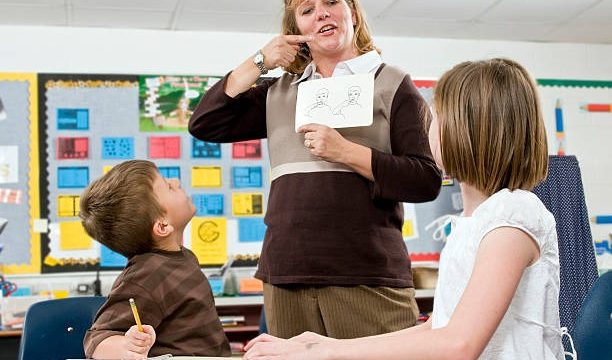
Incorporating diverse assessment methods can illuminate different aspects of a learner’s journey. For instance, project-based learning allows students to engage with real-world problems, applying their knowledge in practical ways. This hands-on approach not only deepens understanding but also cultivates essential skills such as collaboration and creativity. By observing how students tackle challenges and work together, educators can gain valuable insights into their learning outcomes.
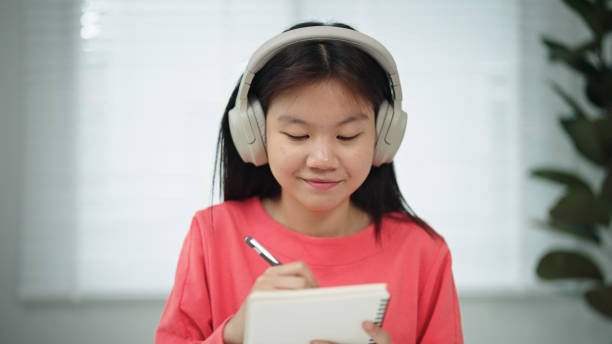
Additionally, self-assessment can be a powerful tool in nurturing self-awareness among learners. When students reflect on their own progress, they develop a sense of ownership over their education. Prompting them to consider what strategies worked, what didn’t, and how they can improve encourages a growth mindset. This reflective practice not only aids in measuring outcomes but also empowers students to take charge of their learning journey.
As we navigate the waters of assessment, it’s essential to remember that learning is not a linear process. There will be ups and downs, moments of clarity, and periods of confusion. Recognizing this ebb and flow can help educators be more compassionate and understanding in their evaluations. It’s about seeing the whole learner, not just the final product.
Creating a supportive atmosphere also means celebrating small victories along the way. Recognizing incremental progress can motivate learners to continue striving for improvement. Whether it’s mastering a new concept, improving communication skills, or simply showing increased engagement, these milestones deserve acknowledgment. They remind students that learning is a journey, filled with opportunities for growth and discovery.
Feedback plays a significant role in the measurement of learning outcomes. Constructive, compassionate feedback can guide students toward improvement while reinforcing their strengths. Instead of focusing solely on what needs to be fixed, it’s beneficial to highlight what’s going well. This balanced approach encourages learners to build on their successes, fostering a sense of confidence and resilience.
In education, collaboration is key. Engaging with fellow educators can provide fresh perspectives on measuring learning outcomes. Sharing experiences, strategies, and insights can lead to a richer understanding of what works and what doesn’t. This collective wisdom can inspire innovative approaches that prioritize the well-being and development of every learner.
As we strive for a more supportive way to measure learning outcomes, it’s essential to remain flexible and open-minded. What works for one student may not resonate with another, and that’s perfectly okay. Embracing this diversity allows us to tailor our approaches, ensuring that every learner feels seen and valued.
Incorporating technology thoughtfully into assessment can also enhance the measurement process. Digital tools can offer new ways for students to showcase their learning, from video presentations to interactive portfolios. These platforms can provide an engaging outlet for expression and creativity, allowing educators to assess learning outcomes in dynamic ways.
Ultimately, the goal of measuring learning outcomes is to support and uplift the learner. By adopting a compassionate approach that prioritizes understanding, growth, and self-reflection, we can create an educational environment that inspires curiosity and fosters lifelong learning. Each student’s journey is unique, and our methods of measurement should reflect that individuality.
As we move forward, let’s commit to nurturing a supportive culture in education. By focusing on the whole learner and embracing diverse assessment methods, we can create a more compassionate landscape that values growth over perfection. In this way, measuring learning outcomes becomes not just an assessment of knowledge but a celebration of the learning journey itself.