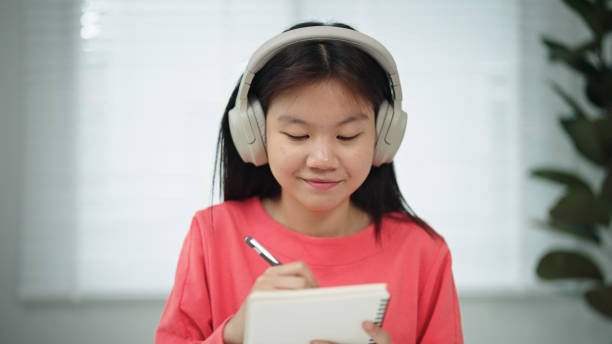
A student-centered view of academic evaluation invites us to rethink how we assess learning in educational settings.
Traditionally, evaluation has often focused on standardized testing and rigid grading systems, leaving little room for the unique journeys of individual students.
However, embracing a more personalized approach can transform the educational experience, making it more meaningful and engaging for everyone involved.
The essence of a student-centered evaluation lies in understanding that each learner comes with their own strengths, challenges, and aspirations. This perspective allows educators to see beyond numbers and letters, recognizing the potential within each student. When evaluations are tailored to reflect individual learning styles and progress, students feel more empowered and motivated to take ownership of their education.
A small shift toward balance can make a significant difference. Instead of relying solely on exams and quizzes to measure understanding, educators can incorporate various methods of assessment. These might include project-based learning, portfolios, and self-reflections. By diversifying evaluation techniques, we create opportunities for students to showcase their knowledge and skills in ways that resonate with them personally. This not only enriches the learning experience but also fosters a deeper connection to the material.
Incorporating formative assessments into the learning process is another vital aspect of a student-centered approach. Formative assessments are ongoing checks for understanding that occur throughout the learning journey. They provide invaluable feedback to both educators and students, allowing for adjustments to be made before the final evaluation. This continuous loop of feedback encourages a growth mindset, where students learn to view challenges as opportunities for development rather than as obstacles.
Creating a supportive environment is essential for effective academic evaluation. When students feel safe to express their thoughts and make mistakes, they are more likely to engage actively in their learning. This sense of security allows for genuine exploration and curiosity, leading to a richer understanding of the subject matter. Educators play a crucial role in fostering this atmosphere by encouraging open communication and valuing each student’s perspective.
Collaboration is another cornerstone of a student-centered approach. When students work together on projects or engage in peer assessments, they not only learn from one another but also develop essential social skills. Collaborative evaluations can provide diverse insights into a student’s capabilities, as their peers often see strengths that may go unnoticed by teachers. This shared learning experience enhances the overall educational environment and builds a sense of community.
As we embrace this student-centered view, it’s important to recognize the role of technology in facilitating academic evaluation. With the rise of digital tools, educators have access to innovative platforms that can streamline assessment processes. Online quizzes, interactive simulations, and digital portfolios make it easier for students to demonstrate their learning in dynamic ways. Technology can also provide instant feedback, allowing students to reflect on their progress in real-time.
In this evolving landscape, it’s essential to consider the emotional aspect of academic evaluation. Grades can often carry a heavy weight, leading to anxiety and stress among students. By shifting our focus from grades to growth, we can help students cultivate a healthier relationship with their education. Celebrating milestones and progress, regardless of their size, encourages resilience and fosters a love for learning that extends beyond the classroom.
The importance of self-assessment cannot be overstated in a student-centered evaluation framework. Encouraging students to reflect on their own learning not only promotes autonomy but also helps them develop critical thinking skills. When students assess their own work, they gain insights into their strengths and areas for improvement, empowering them to set realistic goals for themselves. This practice nurtures a sense of responsibility and accountability, essential traits for lifelong learning.
As we navigate the complexities of academic evaluation, it’s vital to involve students in the conversation. Seeking their input on assessment methods and criteria not only values their opinions but also fosters a sense of ownership over their learning journey. When students feel heard and respected, they are more likely to engage fully in the educational process.
In this student-centered approach, the role of educators evolves from mere transmitters of knowledge to facilitators of learning experiences. Teachers become guides, helping students navigate their unique paths while providing the necessary support and resources. This collaborative relationship nurtures a sense of trust and respect, allowing for a more enriching educational experience.
As we look to the future of academic evaluation, let us remain committed to creating an inclusive and supportive environment where every student can thrive. By focusing on individual growth and embracing diverse assessment methods, we can transform the educational landscape into one that celebrates the unique contributions of each learner.
Ultimately, a student-centered view of academic evaluation is more than just a shift in methodology; it’s a commitment to honoring the individuality of every student. By fostering a culture of understanding, collaboration, and self-reflection, we can cultivate a generation of learners who are not only knowledgeable but also confident and resilient. This holistic approach to evaluation has the power to inspire a lifelong love of learning, ensuring that education remains a joyful and enriching journey for all.