In the ever-evolving landscape of education, the idea of student achievement is shifting from a solitary endeavor to one rooted in collaboration and growth.
As classrooms become more diverse and interconnected, students are finding that working together not only enhances their learning experience but also fosters a sense of community and belonging.
This article explores the profound impact of collaboration on student achievement and how a focus on growth can transform the educational journey.
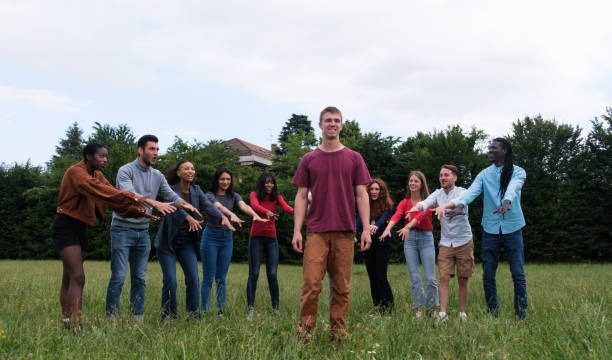
The essence of collaboration lies in the shared experience. When students come together, they bring unique perspectives and strengths that can enrich discussions and deepen understanding. In group projects, for instance, the diverse skill sets of each member can lead to innovative solutions that an individual might not have considered. This collective problem-solving not only cultivates critical thinking but also helps students develop essential interpersonal skills that will serve them well beyond the classroom.
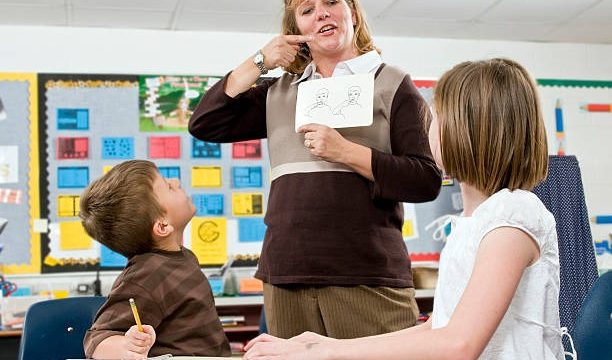
Creating an environment that encourages collaboration can be as simple as fostering open communication. Teachers play a vital role in this process by designing activities that promote teamwork and mutual respect. By encouraging students to share their ideas and listen to one another, educators help them build trust and empathy. These qualities are crucial in creating a supportive learning atmosphere where students feel safe to express themselves and take risks.
As students collaborate, they also engage in a continuous process of growth. This growth is not limited to academic achievement; it encompasses emotional and social development as well. When students work together, they learn to navigate challenges, celebrate successes, and support each other through setbacks. This shared journey cultivates resilience, teaching them that failure is not an endpoint but rather an opportunity for learning and improvement.
A small shift toward balance can make a world of difference in how students perceive their academic journeys. Rather than focusing solely on grades or test scores, a growth mindset encourages students to value progress and effort. This perspective fosters a love for learning, as students begin to appreciate the process rather than merely the outcomes. When they see their peers striving for improvement, it can inspire them to do the same, creating a ripple effect of motivation within the group.
Collaboration also opens the door to mentorship opportunities. Older or more experienced students can guide their younger peers, sharing knowledge and strategies that have worked for them. This not only reinforces the mentor’s understanding but also empowers the mentee, creating a cycle of shared learning. In this way, students can become both teachers and learners, further enriching their educational experience.
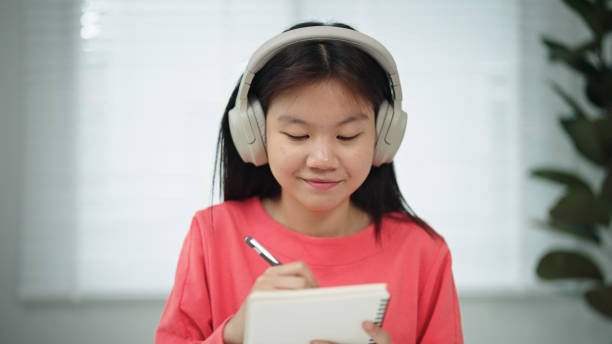
The role of technology in facilitating collaboration cannot be overlooked. With tools that allow for virtual collaboration, students can connect with peers from different backgrounds and cultures, broadening their horizons and enhancing their understanding of the world. Online platforms can serve as spaces for brainstorming, sharing resources, and providing feedback, making collaboration more accessible than ever. This global connection nurtures a sense of unity among students, reminding them that they are part of a larger community of learners.
As we consider the importance of collaboration, it’s essential to recognize the role of parents and guardians in supporting this journey. Encouraging open dialogue at home about the value of teamwork and shared learning can reinforce the lessons students are learning in school. When families celebrate collaborative achievements, whether big or small, they help instill a sense of pride and accomplishment in their children. This support can motivate students to engage more fully in collaborative opportunities, knowing they have a cheering squad at home.
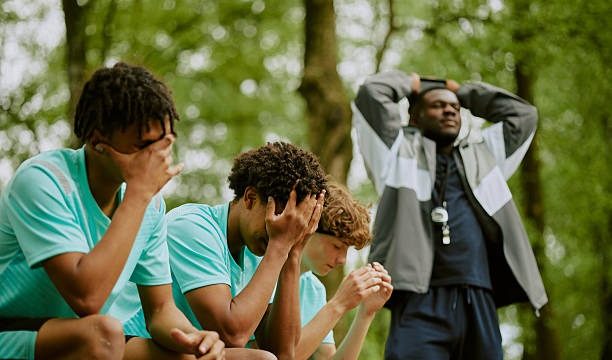
In addition to academic collaboration, extracurricular activities provide another avenue for students to experience the benefits of working together. Whether it’s a sports team, a music ensemble, or a community service project, these activities often require students to rely on one another. These shared experiences can strengthen bonds and create lasting friendships, further enhancing their social development.
As students navigate their educational paths, it’s important to remember that achievement is not solely defined by individual accolades. Instead, it can be viewed through the lens of collective success. When students celebrate each other’s accomplishments, they create a culture of positivity and encouragement. This supportive atmosphere not only enhances individual confidence but also promotes a sense of belonging within the school community.
Looking ahead, the future of education will likely continue to emphasize collaboration and growth. As the world becomes increasingly interconnected, the ability to work well with others will be crucial in both personal and professional realms. By nurturing these skills during their formative years, educators are preparing students not just for exams, but for life itself.
Ultimately, the journey of student achievement through collaboration and growth is one of shared experiences, mutual respect, and continuous learning. By fostering environments that prioritize teamwork and encourage a growth mindset, we can help students unlock their full potential. As they navigate challenges together, they will not only achieve academic success but also develop the skills and qualities that will serve them well in their future endeavors.
In this ever-changing educational landscape, let us embrace the power of collaboration and growth, recognizing that together, we can achieve so much more than we ever could alone.