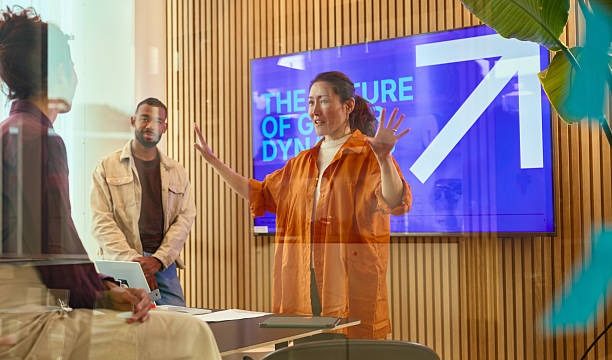
In today’s rapidly evolving world, the concept of student achievement is undergoing a profound transformation.
Gone are the days when success was solely measured by grades and test scores.
Instead, we are witnessing a broader definition of achievement that encompasses a range of skills and values, preparing students not just for exams, but for life in a complex, interconnected society.
This shift invites us to reflect on what it truly means to succeed as a student in a changing world.
The landscape of education is shifting. With technology advancing at lightning speed, the skills required for tomorrow’s workforce are changing as well. Critical thinking, creativity, collaboration, and communication are becoming just as important as traditional academic knowledge. As educators, parents, and communities, we are called to nurture these skills in our students, allowing them to thrive in an environment that values adaptability and innovation.
A small shift toward balance is essential in this new paradigm. While academic excellence remains important, we must remember that emotional and social well-being are equally vital components of a student’s journey. Schools are beginning to recognize the importance of mental health, integrating social-emotional learning into their curricula. This approach helps students manage stress, build resilience, and cultivate empathy – qualities that are invaluable in both personal and professional realms.
Building a supportive community around students is another cornerstone of achievement in this evolving landscape. When students feel valued and connected, they are more likely to engage fully in their education. Schools that foster a sense of belonging create an environment where students can take risks and explore their passions. Encouraging collaboration among peers not only enhances learning but also builds essential interpersonal skills that will serve them well beyond the classroom.
As we navigate this changing world, the role of parents and guardians is more crucial than ever. Providing a nurturing home environment encourages students to pursue their interests and develop a growth mindset. When parents express curiosity about their children’s experiences and ambitions, it inspires students to embrace their unique paths. Conversations about challenges and successes can help students understand that achievement is not a linear journey but rather a series of ups and downs that contribute to personal growth.
Another aspect of student achievement that deserves attention is the importance of cultivating a global perspective. In an age where connectivity is at our fingertips, students have the opportunity to engage with diverse cultures and ideas. Schools that emphasize global citizenship prepare students to navigate a multicultural world with respect and understanding. Encouraging students to participate in community service or global initiatives can deepen their awareness of societal issues and empower them to be agents of change.
The integration of technology in education is also transforming traditional notions of achievement. Digital literacy is becoming a fundamental skill, as students learn to navigate an increasingly online world. However, it is essential to strike a balance between screen time and face-to-face interactions. While technology can enhance learning experiences, fostering genuine connections and communication skills remains vital. Encouraging students to collaborate on projects, whether in-person or virtually, can help them develop these essential skills while embracing the benefits of technology.
As we consider the future of education, it’s important to recognize that achievement is not solely defined by academic metrics. The journey of learning is deeply personal, and each student has their own unique strengths and interests. By fostering an environment that celebrates individuality, we empower students to pursue their passions and define success on their own terms. Encouraging exploration and curiosity can lead to unexpected pathways and discoveries, enriching their educational experience.
As educators and caregivers, we also have the responsibility to model lifelong learning. When students see adults engaging in their own learning journeys, it instills a sense of curiosity and a desire to grow. Sharing stories of personal challenges and triumphs can inspire students to embrace their journey, knowing that achievement is a continuous process filled with opportunities for growth.
In a world that is constantly changing, adaptability is a crucial skill for students. Encouraging them to embrace change and view challenges as opportunities can help them develop resilience. This mindset is not just beneficial in academic settings but is essential in navigating life’s unpredictable twists and turns. Teaching students to be flexible and open-minded prepares them to face the complexities of the world with confidence.
Ultimately, student achievement in a changing world is about more than just grades. It encompasses a holistic approach that nurtures emotional well-being, fosters community connections, and encourages global awareness. By embracing this broader definition of success, we create an educational landscape that empowers students to thrive in an ever-evolving society.
As we move forward, let us continue to champion a culture of achievement that celebrates diversity, curiosity, and resilience. Together, we can cultivate an environment where students not only excel academically but also develop the skills and values necessary to navigate the complexities of life with grace and confidence. In doing so, we prepare them to not only succeed but to contribute meaningfully to a world that is in constant flux.