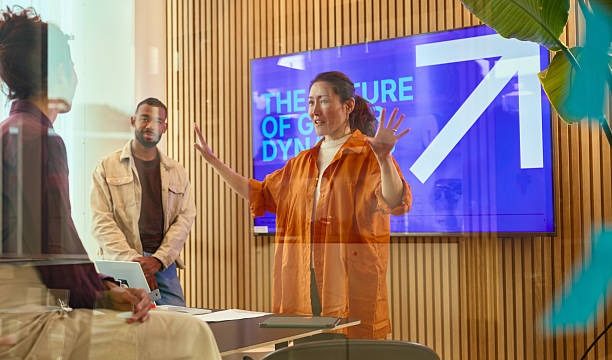
In a world that constantly evolves, the importance of nurturing strong thinkers in our educational systems cannot be overstated.
Building a curriculum that fosters critical thinking, creativity, and emotional intelligence is essential for preparing students not just for exams, but for life.
It’s about creating an environment where young minds can flourish, question the status quo, and develop the skills necessary to navigate an increasingly complex world.
A gentle shift toward inquiry-based learning can be a cornerstone of this new curriculum. Instead of merely absorbing information, students are encouraged to ask questions, explore their curiosities, and engage in discussions that stimulate their intellectual growth. This approach transforms the classroom into a vibrant space where ideas can be exchanged, debated, and refined. When students feel that their thoughts are valued, they become more invested in their learning journey.
Encouraging creativity is another vital aspect of developing strong thinkers. When students are given the freedom to express themselves through various mediums—be it art, writing, or even technology—they learn to think outside the box. Creative tasks challenge them to look at problems from different angles, fostering a mindset that embraces innovation. In this way, creativity becomes a powerful tool that enhances critical thinking skills, allowing students to develop unique solutions to complex issues.
A focus on collaboration can also significantly enrich the learning experience. When students work together on projects, they learn to listen to diverse perspectives and appreciate the value of teamwork. This collaborative spirit not only builds social skills but also encourages students to engage in constructive dialogue. By sharing ideas and debating different viewpoints, they develop the ability to think critically about their own beliefs and assumptions. Such interactions create a supportive atmosphere where students feel safe to take intellectual risks.
Integrating real-world problems into the curriculum is another effective strategy for fostering strong thinkers. By connecting classroom learning to current events, societal challenges, or environmental issues, educators can ignite students’ passion for understanding the world around them. This approach encourages them to think critically about real-life situations and consider the impact of their decisions. When students see the relevance of their studies, they are more likely to engage deeply and cultivate a sense of responsibility toward their community and the planet.
Incorporating mindfulness practices into the curriculum can also play a significant role in developing strong thinkers. Mindfulness encourages students to pause, reflect, and become more aware of their thoughts and feelings. This self-awareness can enhance emotional intelligence, allowing students to navigate their emotions and reactions more effectively. When students are taught to be present and attentive, they can engage more deeply in discussions and learning activities, leading to richer insights and understanding.
A diverse curriculum that includes various subjects—such as philosophy, literature, and the arts—can also contribute to nurturing strong thinkers. Exposure to different disciplines allows students to draw connections between seemingly unrelated concepts, fostering a holistic understanding of the world. By engaging with diverse ideas, students learn to appreciate different viewpoints and develop a more nuanced perspective on complex issues.
Emphasizing the importance of failure as a learning opportunity is another fundamental aspect of building strong thinkers. In a supportive environment, students can take risks without the fear of harsh judgment. When they understand that mistakes are part of the learning process, they become more resilient and open to trying new approaches. This mindset encourages them to explore their potential fully, developing a sense of curiosity that fuels lifelong learning.
The role of the teacher in this process cannot be understated. Educators who embody a growth mindset themselves inspire their students to embrace challenges and view learning as a continuous journey. By modeling enthusiasm for learning, teachers can foster a classroom culture that values inquiry, creativity, and collaboration. Their guidance helps students navigate their educational paths, encouraging them to become independent thinkers who are confident in their abilities.
Ultimately, a curriculum that builds strong thinkers is not just about knowledge acquisition; it’s about nurturing well-rounded individuals who are equipped to face the complexities of modern life. It’s about creating a supportive community where students feel empowered to explore, question, and innovate. By focusing on critical thinking, creativity, collaboration, and emotional intelligence, we can cultivate a generation of thinkers who will contribute positively to society.
As we consider the future of education, let us embrace the idea that learning is not a destination but a lifelong journey. By fostering an environment that values inquiry and creativity, we can inspire students to become not only strong thinkers but also compassionate individuals who seek to make a difference in the world. This gentle approach to education encourages a mindset that thrives on curiosity, resilience, and the belief that every question is an opportunity for growth.
In conclusion, the curriculum that builds strong thinkers is one that resonates with the human experience. It encourages students to engage with the world around them, think critically, and embrace their creativity. By nurturing these qualities, we are not only preparing them for academic success but also equipping them with the tools they need to navigate life’s challenges with confidence and grace. Let us continue to advocate for educational practices that prioritize the development of strong thinkers, creating a brighter future for generations to come.