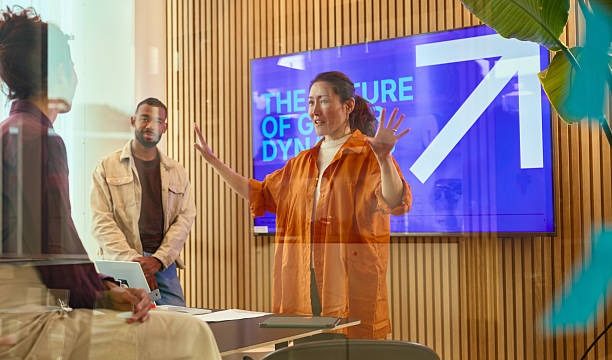
In recent years, the conversation around education has shifted significantly, focusing not just on academic achievement but also on fostering an inclusive environment for all learners.
Inclusive education is more than a teaching strategy; it’s a philosophy that embraces diversity and recognizes the unique strengths each individual brings to the classroom.
By nurturing an inclusive atmosphere, we can cultivate a sense of belonging that empowers students to grow their skills together.
Creating a space where everyone feels valued is essential for effective learning. When students from various backgrounds, abilities, and experiences come together, they form a rich tapestry of perspectives that enhances the educational experience. This diversity is not merely a challenge to manage; it is a treasure trove of opportunities for collaboration and understanding. By engaging with peers who have different viewpoints, students develop critical thinking skills and learn to appreciate the nuances of the world around them.
A small shift toward balance can have a profound impact on the classroom environment. When educators prioritize inclusivity, they encourage students to express themselves freely and to share their thoughts without fear of judgment. This openness fosters a culture of respect and empathy, where students learn to listen actively and support one another. As they work together on projects or engage in discussions, they not only absorb knowledge but also practice social skills that are vital for their personal and professional lives.
Inclusive education is also about recognizing and addressing the unique needs of each student. Differentiating instruction allows teachers to tailor their teaching methods to suit the varied learning styles present in their classrooms. This approach not only supports students with different abilities but also enriches the learning experience for everyone. For instance, incorporating hands-on activities, visual aids, and collaborative projects can engage students who might struggle with traditional lecture-based teaching. By adapting to the needs of all learners, educators can help each student reach their full potential.
The role of families and communities in promoting inclusive education cannot be overstated. When families are involved in the educational process, they become partners in their children’s learning journey. This partnership creates a bridge between home and school, fostering a sense of continuity that benefits students. Schools can host workshops and events that educate parents about the importance of inclusivity and how they can support it at home. A strong connection between families and educators helps cultivate an environment where everyone is invested in the success of every student.
As we explore the concept of growing skills through inclusive education, we must also consider the importance of social emotional learning (SEL). This approach emphasizes emotional intelligence, self-awareness, and interpersonal skills, which are crucial for navigating today’s complex world. Inclusive education naturally aligns with SEL principles, as it encourages students to understand their own emotions and those of their peers. When students learn to manage their feelings and build positive relationships, they are better equipped to face challenges both inside and outside the classroom.
Inclusion also extends beyond the classroom walls. Schools can create partnerships with local organizations and community groups to offer students additional resources and support. These collaborations can provide opportunities for mentorship, internships, and extracurricular activities that enrich students’ lives and help them develop a broader set of skills. By engaging with the community, students gain real-world experiences that complement their academic learning, preparing them for future endeavors.
As we think about the future of education, it becomes clear that technology plays an essential role in fostering inclusivity. Digital tools can help bridge gaps for students who may need additional support or alternative methods of learning. For instance, educational apps can provide personalized learning experiences that cater to individual needs, allowing students to progress at their own pace. Furthermore, online platforms can facilitate collaboration among students, enabling them to work together on projects regardless of their physical location. By leveraging technology, we can create a more inclusive educational landscape that empowers all learners.
Incorporating inclusivity into education is not just beneficial for students with disabilities or those from marginalized backgrounds; it enhances the learning experience for everyone. When students are exposed to diverse perspectives and experiences, they become more adaptable and open-minded. These qualities are invaluable in our increasingly interconnected world, where understanding and collaboration are essential for success.
As we embrace the journey of inclusive education, it’s vital to remember that progress takes time. Change may not happen overnight, but every small step counts. Educators, families, and communities can work together to create a culture of inclusivity that fosters growth and understanding. By cultivating an environment where all students feel valued and supported, we are not only helping them develop essential skills but also preparing them to become compassionate and engaged citizens.
Growing skills through inclusive education is a collective effort that requires commitment and collaboration. By celebrating diversity and recognizing the strengths of every individual, we can create a brighter future for all learners. As we move forward, let us continue to champion inclusivity in education, knowing that together we can build a world where everyone has the opportunity to thrive. In this journey, we are not just educators or parents; we are all learners, growing together in a beautiful symphony of shared experiences and collective growth.