In today’s ever-evolving educational landscape, traditional teaching methods are being challenged and reshaped by innovative curriculum practices that prioritize engagement, creativity, and holistic learning.
As educators and institutions strive to meet the diverse needs of students, a shift toward more dynamic and inclusive approaches to learning is taking center stage.
This article explores some of these innovative practices and how they contribute to a richer educational experience for students.
A gentle shift toward collaboration
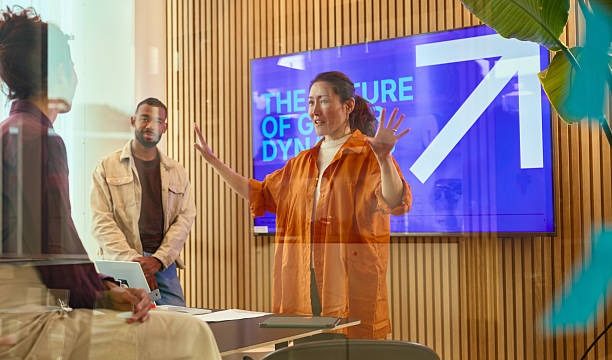
One of the most significant trends in modern education is the move toward collaborative learning environments. Gone are the days of solitary desks and one-way lectures. Instead, classrooms are becoming vibrant hubs of interaction where students work together on projects, share ideas, and learn from one another. This collaborative spirit not only enhances understanding but also fosters vital social skills.
Through group projects, students can explore topics more deeply while benefiting from the diverse perspectives of their peers. Whether they are brainstorming solutions to real-world problems or engaging in discussions about complex themes, collaboration encourages students to take ownership of their learning. This shift towards teamwork instills a sense of community and belonging, which is essential for their overall development.
Embracing technology as a learning partner
Technology has transformed nearly every aspect of our lives, and education is no exception. Innovative curriculum practices now incorporate digital tools that enhance learning experiences. From interactive simulations to online collaborative platforms, technology offers students opportunities to engage with the material in ways that resonate with their interests and learning styles.
For instance, virtual reality can transport students to historical sites or immerse them in scientific environments, making abstract concepts tangible. Meanwhile, educational apps and games provide a fun and interactive way to reinforce learning. By integrating technology thoughtfully, educators can create an engaging and personalized learning experience that captivates students’ imaginations.
Cultivating a growth mindset
Another powerful approach gaining traction in education is the cultivation of a growth mindset. This concept, popularized by psychologist Carol Dweck, emphasizes the belief that abilities and intelligence can be developed through dedication and hard work. By encouraging students to embrace challenges, learn from criticism, and persist in the face of setbacks, educators create a culture of resilience.
In classrooms that prioritize a growth mindset, students are more likely to take risks and explore new ideas. They learn to view failures as opportunities for growth rather than as reflections of their abilities. This shift not only enhances academic performance but also nurtures a more positive attitude toward learning, helping students develop the confidence they need to pursue their passions.
Fostering emotional intelligence
Emotional intelligence is becoming an increasingly important aspect of education. As students navigate their academic journeys, they also encounter a range of emotions and social situations. Innovative curriculum practices that integrate social-emotional learning (SEL) aim to equip students with the skills necessary to understand and manage their emotions, build healthy relationships, and make responsible decisions.
Through activities that promote self-awareness, empathy, and effective communication, students learn to navigate their emotions and those of others. This focus on emotional intelligence not only enhances individual well-being but also contributes to a more positive classroom environment. When students feel understood and supported, they are more likely to engage fully in their learning.
Nurturing creativity and critical thinking
In a world that values innovation and adaptability, fostering creativity and critical thinking is essential. Innovative curriculum practices encourage students to think outside the box, ask questions, and explore multiple solutions to problems. By providing opportunities for creative expression, educators can help students develop their unique voices and perspectives.
Project-based learning is one effective way to nurture these skills. In this approach, students work on extended projects that require them to research, create, and present their findings. This hands-on experience not only deepens their understanding of the subject matter but also encourages them to think critically and creatively. As they tackle real-world challenges, students learn to synthesize information and develop their problem-solving abilities.
Creating a connection to the community
Education does not exist in a vacuum; it is deeply intertwined with the community. Innovative curriculum practices that connect learning to real-world contexts help students see the relevance of their education. By engaging with local organizations, businesses, and cultural institutions, students can apply their knowledge and skills in meaningful ways.
Service-learning programs, for instance, allow students to work on community projects that address local needs. This experience not only enriches their learning but also fosters a sense of responsibility and civic engagement. When students understand how their education impacts the world around them, they are more likely to be motivated and invested in their learning journey.
A holistic approach to assessment
Traditional assessment methods often focus solely on grades and standardized tests. However, innovative curriculum practices are shifting toward more holistic approaches that consider the whole student. Formative assessments, portfolios, and self-reflections enable educators to gain a deeper understanding of each student’s progress and areas for growth.
By emphasizing mastery of skills over mere memorization, these alternative assessment methods encourage students to take ownership of their learning. They can track their progress, set goals, and reflect on their achievements. This shift not only alleviates some of the pressure associated with traditional testing but also fosters a more meaningful connection to the learning process.
In conclusion, the landscape of education is evolving, and innovative curriculum practices are at the forefront of this transformation. By embracing collaboration, technology, emotional intelligence, creativity, community engagement, and holistic assessment, educators are creating enriching learning experiences that prepare students for the complexities of the modern world. As we continue to explore and implement these practices, we move closer to an educational environment that nurtures not just academic success but also well-rounded, confident, and engaged individuals ready to thrive in an ever-changing society.