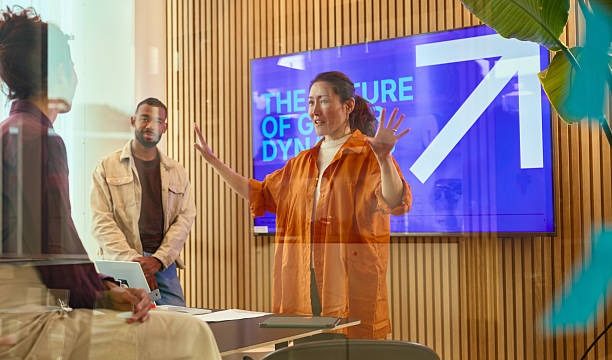
In today’s rapidly evolving world, the idea of inclusive education has blossomed into a vital conversation about nurturing a kinder learning environment for all.
It’s a concept that extends beyond mere accessibility; it is about fostering a sense of belonging, understanding, and respect among diverse learners.
As we delve into this essential topic, we explore how inclusive education can create a more compassionate and supportive atmosphere where every child can thrive.
A gentle embrace of diversity
At its core, inclusive education recognizes that every individual brings a unique set of strengths, challenges, and perspectives to the classroom. This diversity enriches the learning experience and fosters empathy among students. When children are exposed to different backgrounds, abilities, and ways of thinking, they develop a broader worldview. This understanding is not just beneficial for those who may need additional support; it enhances the learning experience for everyone involved.
Imagine a classroom where students learn not only from textbooks but also from one another. They share stories, experiences, and insights that reflect their varied journeys. This environment encourages collaboration and teamwork, teaching children the value of working together and appreciating each other’s differences. The beauty of inclusive education lies in its ability to foster these connections, making the classroom a microcosm of the world outside.
Creating a supportive atmosphere
For inclusive education to flourish, it is essential to cultivate a nurturing atmosphere. This begins with educators who are trained to recognize and respond to the diverse needs of their students. Teachers play a pivotal role in shaping the classroom environment, and their approach can significantly impact how students interact with one another.
A supportive atmosphere is built on open communication, patience, and understanding. When educators model these qualities, students feel safe to express themselves and ask questions. This encourages a culture of curiosity and respect, where students learn to listen actively and appreciate different viewpoints. In such an environment, children are more likely to support one another, fostering friendships that cross boundaries.
The role of families and communities
Inclusive education extends beyond the classroom walls; it involves families and communities coming together to support every child’s learning journey. Parents and guardians play a crucial role in advocating for their children’s needs and collaborating with educators to ensure that everyone receives the support they require.
Community involvement is equally essential. Local organizations, businesses, and volunteers can contribute to creating inclusive educational experiences. This collaboration can manifest in various ways, such as mentorship programs, after-school activities, or workshops that promote understanding and acceptance. When communities unite to support inclusive education, they send a powerful message that every child deserves the opportunity to learn and grow.
Small steps toward understanding
While the concept of inclusive education may seem daunting, it often begins with small, intentional steps. Educators can incorporate inclusive practices into their teaching methods by differentiating instruction to meet diverse learning needs. This could mean offering various ways for students to engage with the material, whether through visual aids, hands-on activities, or group discussions.
Additionally, integrating social-emotional learning into the curriculum can help students develop essential skills like empathy and self-awareness. These skills are fundamental in creating a compassionate classroom environment where students learn to connect with one another on a deeper level.
The importance of representation
Representation matters in education. When students see themselves reflected in the curriculum and among their teachers, it fosters a sense of belonging and validation. Inclusive education encourages the inclusion of diverse voices and perspectives in lesson plans, literature, and classroom discussions. This not only enriches the learning experience but also empowers students from various backgrounds to share their stories and contribute to the collective narrative.
By highlighting diverse role models and celebrating achievements from all walks of life, we inspire students to dream big and believe in their potential. This representation can spark conversations about identity, culture, and the importance of inclusivity, paving the way for a more understanding and compassionate future.
The ripple effect of kindness
The impact of inclusive education extends far beyond the classroom. When children learn to embrace diversity and practice kindness, they carry these values into their everyday lives. They become advocates for inclusivity in their communities, promoting acceptance and understanding in various social settings.
As these children grow into adults, the lessons learned in inclusive classrooms can lead to a more equitable society. They may become leaders who champion diversity and work to dismantle barriers that hinder access to education and opportunities for all. This ripple effect of kindness has the power to transform communities and create a world where everyone feels valued and respected.
A vision for the future
As we envision a kinder learning world, it is crucial to recognize that inclusive education is not a destination but a continuous journey. It requires ongoing commitment, reflection, and adaptation to meet the evolving needs of our diverse population. Educators, families, and communities must work hand in hand to create a culture of inclusivity that uplifts every learner.
By nurturing a compassionate environment that values diversity, we can empower children to become empathetic individuals who understand the importance of kindness and acceptance. The path to inclusive education may not always be straightforward, but with patience, collaboration, and a shared vision, we can build a brighter future for all learners.
In conclusion, inclusive education is a powerful tool for fostering a kinder learning world. It encourages us to embrace diversity, create supportive environments, and work together as communities. As we move forward, let us remember that every small effort counts, and together, we can cultivate a more compassionate and inclusive society for generations to come.