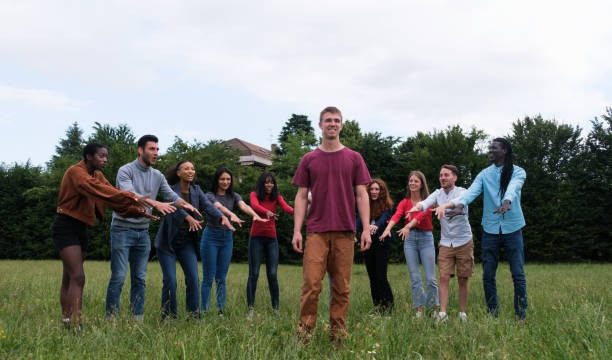
In a world that thrives on diversity, the concept of inclusive education is becoming more essential than ever.
It’s not just about providing access to education for all, but rather about fostering an environment where every individual feels valued and respected.
Inclusive education is a philosophy that seeks to bring together students from various backgrounds, abilities, and experiences, creating a rich tapestry of shared knowledge and mutual respect.
This approach not only benefits those who may have previously been marginalized but also enriches the learning experience for every student involved.
A gentle shift toward understanding
At the heart of inclusive education lies the understanding that every learner is unique, with their own strengths and challenges. This recognition is vital when creating an educational landscape that accommodates all students. By fostering an atmosphere of empathy and understanding, educators can help students appreciate the differences among them. This shift begins with teachers who are equipped not only with the knowledge of their subjects but also with the tools to recognize and honor the individuality of each student.
In inclusive settings, students are encouraged to share their stories and perspectives, creating a classroom dynamic that values diversity. When students learn about each other’s backgrounds, cultures, and experiences, they begin to develop a sense of belonging. This sense of community is crucial; it helps to break down barriers and dispel misconceptions, paving the way for deeper connections and respect among peers.
Creating spaces for shared learning
Inclusion isn’t just about placing students with different abilities in the same classroom; it’s about creating a learning environment where everyone can thrive. This means adapting teaching methods to cater to various learning styles and needs. Whether through differentiated instruction, collaborative projects, or the use of technology, educators can create spaces where every student has the opportunity to shine.
Classrooms that prioritize inclusive education often feature flexible seating arrangements and diverse materials, allowing students to engage with the content in ways that resonate with them. When students are allowed to explore and express their understanding creatively, they are more likely to engage deeply with the material. This not only enhances their academic experience but also cultivates a genuine appreciation for the knowledge shared among classmates.
The role of community in education
Inclusive education extends beyond the classroom walls. It invites the involvement of families and communities in the educational process. When schools actively engage parents and caregivers, they create a support system that reinforces the values of respect and shared knowledge. Community involvement can take many forms, from volunteering in classrooms to participating in school events that celebrate diversity.
Encouraging open dialogue between educators and families can also foster a sense of trust and collaboration. When parents feel heard and included, they are more likely to contribute positively to their child’s educational journey. This partnership not only benefits students but also strengthens the community as a whole, creating a network of support that values inclusivity and mutual respect.
Nurturing emotional intelligence
For inclusive education to thrive, emotional intelligence plays a significant role. It’s not just about academic achievement; it’s about nurturing the whole child. Teaching students to recognize their own emotions and the feelings of others can lead to more compassionate interactions. Schools can incorporate social-emotional learning into their curricula, helping students develop skills like empathy, conflict resolution, and communication.
When students learn to navigate their emotions and understand those of their peers, they create a more harmonious classroom environment. This emotional awareness can also lead to greater respect for one another. Students who feel secure in their emotional well-being are more likely to engage positively with their classmates, leading to a culture of kindness and cooperation.
Fostering a culture of respect
Respect is a cornerstone of inclusive education. It is essential for creating a safe space where all students can express themselves without fear of judgment. Educators play a pivotal role in modeling respectful behavior. By demonstrating kindness, understanding, and patience, teachers can set the tone for how students interact with one another.
Inclusion also means addressing bullying and discrimination head-on. Schools that actively promote respect create policies and practices that discourage negative behaviors and encourage positive interactions. Through discussions, workshops, and activities, students can learn the importance of standing up for one another and fostering a culture of acceptance.
The journey toward inclusivity
Embracing inclusive education is a journey rather than a destination. It requires ongoing commitment, reflection, and adaptability from educators, students, and communities alike. As society continues to evolve, so too must our approaches to education. By remaining open to new ideas and strategies, we can cultivate an environment that is both inclusive and enriching for all.
Ultimately, the goal of inclusive education is to prepare students for a world that is diverse and interconnected. By fostering respect and shared knowledge, we equip them with the tools they need to navigate this complexity. When students learn to appreciate differences and collaborate with one another, they not only grow as individuals but also contribute to a more harmonious society.
In conclusion, inclusive education is a powerful approach that emphasizes the value of every individual in the learning process. By nurturing understanding, creating supportive spaces, and fostering a culture of respect, we can help students thrive both academically and socially. As we continue to advocate for inclusivity in education, we take meaningful steps toward building a future where everyone is valued and respected for who they are. This journey, while challenging, is ultimately rewarding, offering a brighter path for generations to come.