Nurturing Young Minds with a Well Planned Curriculum
In today’s fast-paced world, the importance of nurturing young minds cannot be overstated.
As parents, educators, and community members, we often find ourselves pondering how best to equip our children for the challenges they will face in the future.
A well-planned curriculum serves as a foundation, not only for academic success but also for personal growth and emotional well-being.
Creating a nurturing educational environment requires more than just a focus on traditional subjects; it involves fostering curiosity, creativity, and critical thinking. When we think about the curriculum, we should envision it as a living entity—one that adapts to the needs and interests of the children it serves. By approaching education with this mindset, we can cultivate a space where young minds flourish.
A gentle introduction to learning
The early years of a child’s life are crucial for cognitive and emotional development. During this time, children are like sponges, soaking up information and experiences from their surroundings. A thoughtfully designed curriculum acknowledges the unique learning styles of each child and encourages exploration. By incorporating hands-on activities, storytelling, and interactive learning, we create opportunities for children to engage with their environment in meaningful ways.
For instance, integrating nature into the curriculum can be incredibly beneficial. Simple outdoor activities, such as observing plants and animals, can spark a child’s interest in science and foster a connection to the world around them. When children are encouraged to ask questions and seek answers, they develop a lifelong love of learning.
Balancing structure and flexibility
While a structured curriculum is essential for providing direction, it is equally important to allow for flexibility. Children thrive when they have the freedom to explore their interests. A curriculum that strikes a balance between the two can lead to a more fulfilling educational experience.
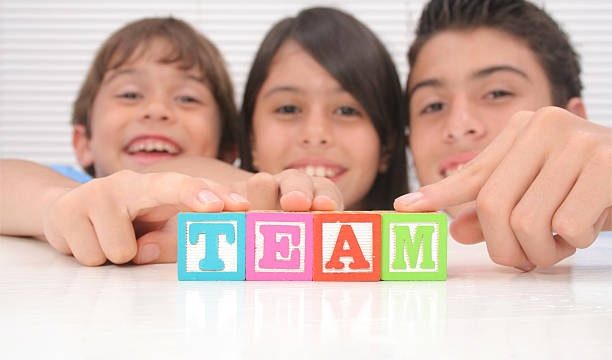
For example, incorporating project-based learning can give children the chance to delve deeper into topics that captivate them. Whether it’s creating a presentation on their favorite animal or collaborating on a community project, these experiences not only enhance academic skills but also promote teamwork and communication. By allowing children to take the reins on certain projects, we empower them to take ownership of their education.
Fostering social and emotional development
Education is not solely about academics; it also encompasses social and emotional growth. A well-planned curriculum addresses the importance of developing empathy, resilience, and interpersonal skills. Integrating social-emotional learning into everyday activities can help children navigate their feelings and understand the emotions of others.
Storytime, for instance, can be a powerful tool. Through literature, children can explore different perspectives and learn to empathize with characters facing challenges. Discussions around these stories can lead to valuable conversations about feelings and relationships, helping children to articulate their emotions and build connections with their peers.
The role of creativity in learning
Creativity is often the spark that ignites a child’s passion for learning. A curriculum that encourages artistic expression—whether through music, visual arts, or drama—can provide an outlet for children to communicate their thoughts and feelings in unique ways.
Artistic endeavors can also enhance cognitive skills, as they require problem-solving and critical thinking. When children engage in creative activities, they learn to think outside the box and develop innovative solutions. By celebrating creativity within the curriculum, we nurture not only artistic talent but also the ability to approach challenges with an open mind.
Creating a supportive community
An essential aspect of nurturing young minds is the creation of a supportive community. Collaboration between parents, educators, and the larger community can foster an environment where children feel safe and valued. Open lines of communication between home and school can enhance a child’s learning experience, as parents can reinforce concepts and values at home.
Community involvement can also enrich the curriculum. Local organizations, artists, and professionals can share their expertise and experiences, providing children with real-world connections to what they are learning. These interactions can inspire children and broaden their horizons, helping them to see the relevance of their education in the world around them.
Embracing diversity in learning
In our increasingly global society, embracing diversity in the curriculum is essential. Acknowledging different cultures, perspectives, and experiences can enrich a child’s understanding of the world. By incorporating multicultural education, we prepare children to be thoughtful, compassionate citizens who appreciate the beauty of diversity.
Celebrating various traditions and histories can be woven into lessons, fostering respect and understanding among peers. When children learn about the world’s rich tapestry of cultures, they develop a sense of belonging and responsibility toward others, which is vital for their social development.
Looking ahead with purpose
As we consider the future of education, it is important to remember that a well-planned curriculum is an evolving journey. It should adapt not only to the changing needs of society but also to the individual growth of each child. By focusing on holistic development—academic, social, emotional, and creative—we can nurture young minds that are not only well-prepared for the future but also equipped to contribute positively to their communities.
In nurturing young minds, we are planting seeds for a brighter tomorrow. A well-planned curriculum is more than a series of lessons; it is a promise to our children that their education will be rich, meaningful, and transformative. By investing in their growth, we create a generation of learners who are curious, compassionate, and capable of navigating the complexities of life with confidence and grace.