In a world that thrives on diversity, the concept of inclusive education has emerged as a beacon of hope and progress.
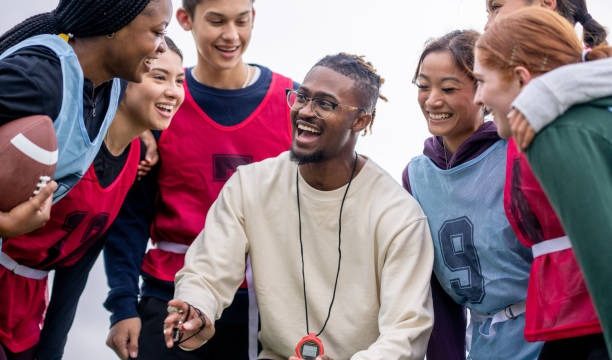
Imagine a classroom where every child, regardless of their background, abilities, or challenges, feels welcomed and valued.
This vision is not just a dream; it’s a reality that many educators and communities are striving to achieve.
Inclusive education opens the doors to learning for all, fostering an environment where every student can flourish.
Creating a welcoming atmosphere in classrooms begins with understanding the unique needs of each child. Every student comes with their own set of experiences, strengths, and areas for growth. Inclusive education recognizes these differences not as obstacles, but as opportunities to enrich the learning experience for everyone involved. When educators embrace this philosophy, they cultivate a space where cooperation and empathy thrive.
A small shift toward balance can make a significant difference in how students interact and learn from one another. By incorporating diverse teaching methods, educators can cater to various learning styles and needs. For example, visual aids, hands-on activities, and collaborative projects can engage students who might struggle with traditional lecture formats. This variety not only supports those with learning differences but also encourages all students to explore and express their understanding in ways that resonate with them.
The role of educators in fostering inclusivity is paramount. They are not just teachers; they are facilitators of growth, mentors, and advocates. Professional development programs that focus on inclusive practices can empower teachers with the tools and strategies needed to create an equitable classroom environment. Continuous learning and adaptation are crucial as the needs of students evolve. An open-minded approach allows educators to reflect on their practices and embrace innovative ways to support every learner.
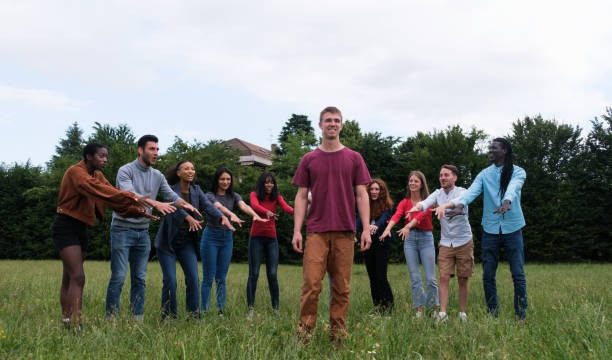
Building a culture of respect and understanding among students is equally important. When children learn to appreciate each other’s differences, they become more empathetic and compassionate individuals. Activities that promote teamwork and collaborative problem-solving can help break down barriers and foster friendships among students of varying abilities. These interactions not only enrich the classroom experience but also prepare students for a diverse world beyond school walls.
Involving families in the conversation about inclusive education is essential. Parents and guardians play a vital role in supporting their children’s learning journeys. By establishing strong partnerships with families, educators can better understand the unique contexts and needs of their students. Open communication and collaboration create a supportive network that enhances the learning experience. When families feel included in the educational process, they are more likely to contribute positively to their children’s growth and development.
A community-oriented approach to inclusive education can also yield remarkable benefits. Schools that collaborate with local organizations, businesses, and advocacy groups can tap into a wealth of resources and support. These partnerships can provide additional services, materials, and opportunities that enrich the educational experience for all students. Community involvement fosters a sense of belonging and shared responsibility, reinforcing the idea that education is a communal effort.
The impact of inclusive education extends beyond the classroom. When children learn in an environment that values diversity, they carry those lessons into adulthood. They become advocates for equality and inclusion, contributing to a more just and compassionate society. The skills developed in inclusive classrooms—such as teamwork, communication, and problem-solving—are invaluable as students navigate their future careers and personal relationships.
While the journey toward fully inclusive education may present challenges, the rewards are profound. It requires a collective effort from educators, families, and communities to dismantle barriers and create an environment where everyone feels valued. Small changes can lead to significant transformations, and each step taken toward inclusivity is a step toward a brighter future for all students.
Imagine a classroom where every child feels they belong, where their voices are heard, and their contributions celebrated. This vision of inclusive education is not just about integrating students with disabilities; it’s about creating a holistic learning environment that recognizes and embraces the richness of diversity. It’s about nurturing the potential within every child and empowering them to reach for their dreams.
As we move forward, let us remain committed to the principles of inclusivity and equity in education. By opening our classrooms to everyone, we not only enrich the lives of our students but also contribute to a more inclusive society. Each child deserves the opportunity to learn, grow, and thrive in an environment that celebrates their uniqueness. Together, we can make this vision a reality, one classroom at a time.
In conclusion, inclusive education is a journey that requires dedication, empathy, and collaboration. It is a commitment to creating a world where every child has the opportunity to shine. By fostering an inclusive spirit in our classrooms, we are paving the way for a future that honors diversity and embraces the beautiful tapestry of human experience. Let us continue to advocate for inclusive practices, ensuring that every child has access to a quality education that nurtures their individual potential. The journey may be long, but the destination is worth every step.