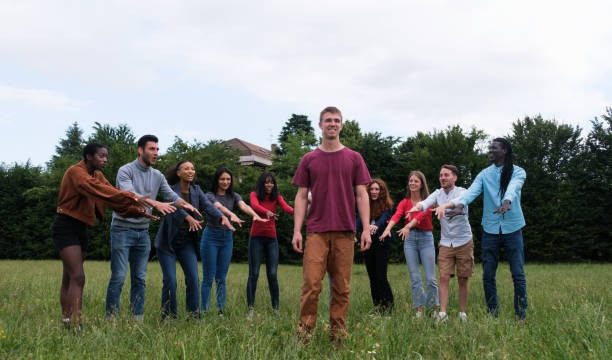
In a world that often feels divided, the idea of inclusive education emerges as a gentle reminder of our shared humanity.
It invites us to embrace the beauty of diversity within our schools and communities, allowing every individual the opportunity to thrive.
The journey to fostering an inclusive environment is not just about educational policies or classroom strategies; it’s about nurturing potential in every child, regardless of their background or abilities.
The concept of inclusive education is rooted in the belief that every child deserves the right to learn in a supportive environment that recognizes and values their unique contributions. When we create spaces that welcome all students, we not only enhance their learning experiences but also enrich the lives of everyone involved. Imagine a classroom where children with different abilities, backgrounds, and perspectives come together; the richness of their interactions can lead to deeper understanding and empathy.
A small shift toward balance often begins with awareness. Understanding that each child learns differently can be a powerful catalyst for change. Teachers and educators play a crucial role in this transformation. By adopting flexible teaching methods and embracing varied learning styles, they can create an atmosphere where every student feels valued. This might mean integrating visual aids for visual learners or offering hands-on activities for those who thrive on experiential learning. Such adjustments, though seemingly minor, can have profound impacts on a child’s engagement and success.
Building strong relationships is another cornerstone of inclusive education. When students feel connected to their teachers and classmates, they are more likely to participate and express themselves. This sense of belonging fosters a positive self-image and encourages students to take risks in their learning. Educators can cultivate these relationships by investing time in getting to know their students, understanding their interests, and acknowledging their strengths. It’s about creating an environment where students feel safe to share their thoughts and experiences, knowing they will be met with respect and kindness.
Inclusion also extends beyond the classroom walls. Families and communities play an integral role in supporting inclusive education. When parents and guardians are involved in their children’s learning, it creates a bridge between home and school. Schools can promote this partnership by hosting workshops and events that invite parents to engage with educators and one another. These gatherings can serve as a platform for sharing resources, discussing challenges, and celebrating successes. When families feel welcomed and supported, it strengthens the entire educational ecosystem.
As we advocate for inclusive practices, it’s essential to recognize the role of policy-makers and educational leaders. Their commitment to fostering inclusive education can create a ripple effect that transforms entire systems. By prioritizing funding for resources, training, and support services, they can ensure that schools are equipped to meet the diverse needs of all students. This commitment sends a powerful message: every child matters, and their education is a shared responsibility.
One of the most beautiful aspects of inclusive education is the way it nurtures empathy and understanding among peers. When students learn alongside those who may be different from them, they develop a sense of compassion that can last a lifetime. They learn to appreciate varied perspectives, which can foster a more harmonious society. In a world that often feels fragmented, these lessons in empathy can be invaluable.
Moreover, inclusive education prepares students for the realities of the world beyond school. As they interact with diverse peers, they develop skills that are essential in today’s interconnected society. Collaboration, communication, and problem-solving are just a few of the skills that flourish in an inclusive environment. These are not only vital for academic success but are also crucial as students transition into the workforce and engage with a global community.
As we reflect on the journey of inclusive education, it’s important to remember that it is a continuous process. There will always be room for growth and improvement, and that’s part of the beauty of this endeavor. Each step taken toward inclusivity is a step toward a brighter future for all children. It requires patience, commitment, and a willingness to learn from one another. But the rewards—nurtured potential, enriched communities, and a more compassionate world—are well worth the effort.
The power of inclusive education lies in its ability to bring people together, fostering a sense of belonging that resonates deeply within our hearts. It is a reminder that we are all part of a larger tapestry, each thread contributing to a vibrant and dynamic whole. By nurturing this sense of connection, we create environments where every child can flourish, unlocking their potential and paving the way for a more inclusive society.
In conclusion, the journey of inclusive education is one of endless possibilities. It invites us to envision a world where every child can learn, grow, and contribute in their unique way. As we work together to cultivate these inclusive spaces, we not only empower our children but also enrich our communities. It is a journey worth taking, for in embracing our differences, we find strength, connection, and the potential for a brighter tomorrow.