In the heart of every classroom lies a simple yet profound truth: education should be a space where every student feels valued, respected, and empowered.
As we navigate the complexities of today’s world, the concept of inclusive education stands out as a guiding principle that champions the idea of “students first.” This approach not only enriches the learning experience for individuals but also fosters a sense of community and belonging for all.
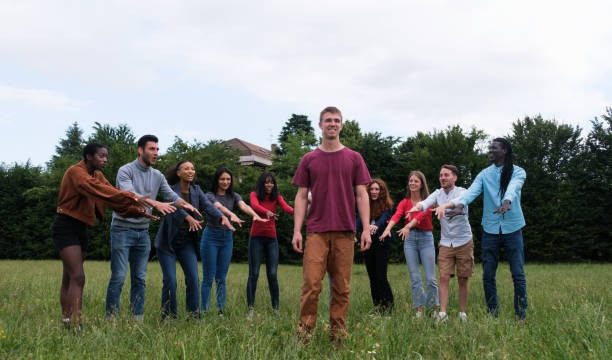
The essence of inclusive education is rooted in the belief that diversity is a strength. Each student brings their own unique set of experiences, perspectives, and abilities to the classroom. When we embrace this diversity, we create an environment that reflects the real world—one that is multifaceted and vibrant. This not only enhances the educational experience but also prepares students to engage with a diverse society. By prioritizing inclusive education, we cultivate a culture of empathy and understanding, which is essential in today’s interconnected world.
A small shift toward balance can make a significant difference. Traditionally, education systems have often categorized students based on their abilities, leading to the unfortunate segregation of those who may require additional support. However, when we shift our focus to inclusion, we begin to see the potential in every student. By adapting teaching methods and resources to meet varied learning needs, educators can ensure that no one is left behind. This adaptability not only benefits students who require additional assistance but also enriches the learning experience for their peers.
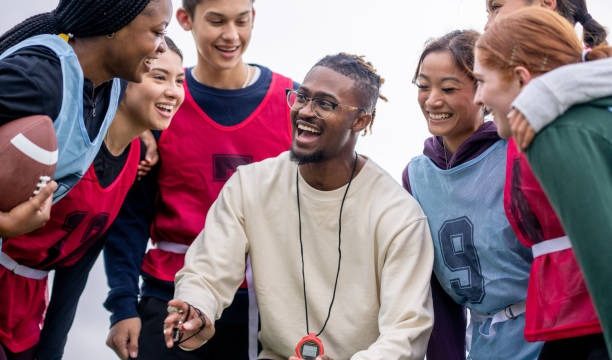
Creating an inclusive classroom environment involves more than just physical adjustments; it requires a mindset that values every student’s contribution. Teachers play a pivotal role in this transformation. By fostering a culture of respect and collaboration, educators can encourage students to support one another, creating a community that thrives on shared learning experiences. When students feel safe to express themselves and take risks, they are more likely to engage deeply with the material and with each other.
One of the most beautiful aspects of inclusive education is the way it cultivates friendships and connections among students. When children learn alongside peers who may have different challenges or abilities, they develop a sense of compassion and teamwork that extends beyond the classroom. These relationships teach valuable life skills such as patience, resilience, and cooperation. In a world that often feels divided, these connections remind us of our shared humanity and the importance of lifting each other up.
It’s important to recognize that inclusive education is not just the responsibility of teachers; it’s a collective effort that involves families, communities, and policymakers. Parents and guardians play a crucial role in advocating for their children’s needs and ensuring that schools have the resources necessary to implement inclusive practices. When families are engaged in the educational process, students feel a stronger sense of support and belonging, which can significantly enhance their overall well-being.
Communities also play a vital role in fostering inclusive education. Local organizations, businesses, and volunteers can collaborate with schools to provide additional resources, mentoring, and support. This partnership not only enhances the educational experience but also strengthens community ties. When everyone works together to promote inclusivity, we create a ripple effect that extends far beyond the classroom walls.
As we look toward the future, it’s essential to advocate for policies that support inclusive education at all levels. Policymakers must prioritize funding for programs and resources that enable schools to adopt inclusive practices. This includes training for educators on differentiated instruction, access to assistive technologies, and the development of curricula that reflect diverse perspectives. By making inclusive education a priority, we can ensure that every student has the opportunity to thrive.
In the realm of education, change often begins with small, intentional steps. It’s about making room for conversations that challenge the status quo and inspire innovation. When we commit to putting students first, we open the door to endless possibilities. Each small change we make today can lead to a more inclusive tomorrow, where every child has the chance to succeed.
Ultimately, the goal of inclusive education is not merely to accommodate diverse learners but to celebrate them. When we recognize and honor the unique qualities that each student brings to the table, we create an enriching environment that fosters growth for everyone. This celebration of diversity is what makes education a truly transformative experience.
As we move forward, let us remember that inclusive education is a journey, not a destination. It requires ongoing reflection, adaptation, and a willingness to learn from one another. By prioritizing the well-being of all students, we can foster a culture of kindness, understanding, and hope. After all, when we place students first, we lay the foundation for a brighter, more inclusive future—one where every child can flourish and contribute to the world in their own unique way.
In the end, inclusive education is about more than just academic achievement; it’s about nurturing the whole child. It’s about creating spaces where students feel seen and heard, where their voices matter, and where they can grow into compassionate, engaged citizens. Together, let’s continue to champion the values of inclusivity and understanding, ensuring that every student has the opportunity to shine.