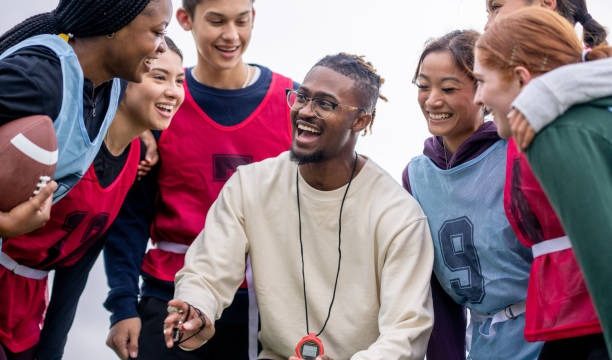
In a world that thrives on diversity, the concept of inclusive education is more relevant than ever.
It stands as a testament to our collective belief that every individual, regardless of their background or abilities, deserves the opportunity to learn and grow in an environment that nurtures their potential.
The beauty of inclusive education lies not just in its philosophy but in its practice—how it brings together students from various walks of life to create a vibrant tapestry of experiences, perspectives, and talents.
The essence of inclusive education is simple yet profound: together we achieve. This idea transcends the classroom; it reflects our shared human experience. When we embrace an inclusive approach to learning, we open doors to understanding, empathy, and collaboration. Each student’s contribution enriches the learning environment, fostering a culture where everyone feels valued and empowered.
A small shift toward balance can lead to remarkable changes in the educational landscape. Imagine a classroom where students with different abilities collaborate on projects, share ideas, and learn from one another. This dynamic creates a sense of belonging, which is essential for personal growth and academic success. When students feel accepted and supported, they are more likely to engage fully in their learning journey.
Inclusion is not just about physical presence in a classroom; it’s about creating an atmosphere where all students can thrive. Teachers play a pivotal role in this transformation. By adopting flexible teaching strategies that cater to diverse learning styles, educators can ensure that every student has access to the curriculum. This might mean using visual aids for visual learners, engaging discussions for auditory learners, or hands-on activities for those who learn best through experience. The goal is to provide a rich learning experience that resonates with each student, making education a truly inclusive endeavor.
The benefits of inclusive education extend beyond academic achievement. When students learn alongside peers with different abilities, they develop essential life skills such as empathy, patience, and cooperation. These are qualities that will serve them well in the future, both in their personal lives and in their careers. By fostering an environment where diversity is celebrated, we prepare young people to navigate a world that is increasingly interconnected and complex.
Moreover, inclusive education promotes a sense of community. Schools that embrace diversity often become microcosms of the larger society, reflecting its richness and variety. This sense of belonging can be especially important for students who might otherwise feel marginalized. When they see their unique traits as assets rather than obstacles, it can transform their self-perception and motivation.
As we explore the theme of togetherness through inclusive education, it’s essential to recognize the role of families and communities. Parents and guardians are vital partners in this journey. When families are actively involved in their children’s education, they create a support system that reinforces the values of inclusion. Engaging with schools, attending meetings, and participating in events fosters a sense of unity and shared purpose.
Communities, too, have a part to play. Local organizations and businesses can collaborate with schools to provide resources, mentorship, and opportunities for students. These partnerships not only enhance the educational experience but also strengthen community ties. When students see that their education is valued by those around them, it inspires a greater commitment to their learning and personal development.
As we look to the future, the importance of inclusive education cannot be overstated. It is a fundamental right that lays the groundwork for a more equitable society. By championing inclusive practices, we are not just improving educational outcomes; we are building a world where everyone has the chance to contribute their unique gifts.
In the realm of education, the journey toward inclusivity is ongoing. Challenges may arise, and progress may sometimes feel slow, but every step taken in the right direction counts. It requires patience, understanding, and a shared commitment to creating environments where all students can flourish.
Ultimately, the heart of inclusive education is about connection. It’s about recognizing that each of us has something valuable to offer and that we are stronger together. In classrooms, in communities, and in life, the spirit of togetherness cultivates a sense of hope and possibility.
As we navigate this journey, let’s celebrate the small victories along the way. Each moment of understanding, every shared laugh, and all the times we learn from one another contribute to a brighter future. Together, we can achieve more than we ever could alone. Through inclusive education, we not only empower individuals but also enrich our collective experience, creating a world that honors diversity and promotes unity.
In embracing this philosophy, we are not just educators or students; we are collaborators in a shared mission. Together, we create spaces where every voice matters, where every story is valued, and where every student can shine. The promise of inclusive education is not just a goal; it is a journey we embark on together, hand in hand, forging a path toward a more inclusive and compassionate world.