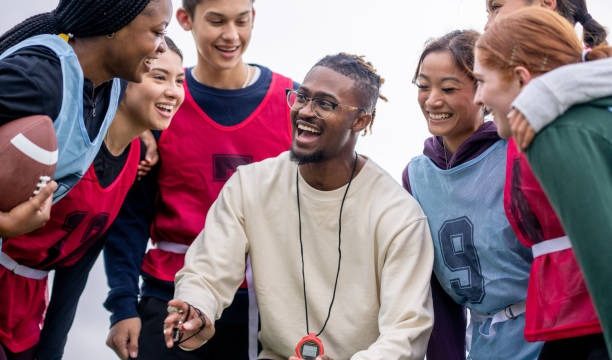
Every learner deserves the opportunity to thrive in an environment that acknowledges and nurtures their unique strengths and challenges.
Inclusive education is more than just a buzzword; it’s a philosophy that embraces diversity and promotes equity in learning.
It encourages the idea that every student, regardless of their background or abilities, should have access to quality education and the resources they need to succeed.
The concept of inclusive education is rooted in the belief that all learners can benefit from a shared learning environment. When students with different abilities, cultures, and perspectives come together, they create a rich tapestry of experiences that enhances the educational journey for everyone. This environment fosters empathy, understanding, and respect, qualities that are essential in our increasingly interconnected world.
A small shift toward balance can make a significant difference in how learners engage with their education. Instead of viewing differences as obstacles, inclusive education encourages us to see them as opportunities for growth. Teachers and educational institutions can create a welcoming atmosphere by adapting their teaching methods to accommodate various learning styles and needs. This might mean utilizing multiple forms of assessment, incorporating technology, or providing additional resources that cater to different abilities.
In an inclusive classroom, collaboration becomes a cornerstone of learning. Students learn not only from their teachers but also from each other. When they work together on projects or engage in discussions, they develop vital social skills that will serve them well beyond the classroom. This collaborative spirit promotes a sense of belonging, allowing students to feel valued for who they are, which is crucial for their overall well-being.
One of the beautiful aspects of inclusive education is its emphasis on personalized learning. Each student has a unique way of processing information, and by recognizing these differences, educators can tailor their approaches to meet individual needs. This personalization can take many forms, from differentiated instruction to providing flexible seating arrangements. When students feel that their learning environment is designed with them in mind, their motivation and engagement naturally increase.
The benefits of inclusive education extend beyond academic achievement. It nurtures personal growth and emotional resilience. Students learn to navigate challenges, advocate for themselves, and support their peers. These experiences build confidence and a sense of agency that can empower them throughout their lives. The lessons learned in an inclusive classroom often translate into valuable life skills, such as teamwork, communication, and problem-solving.
Creating an inclusive educational environment requires the commitment of everyone involved—educators, administrators, parents, and the community at large. Open communication is essential in this process. When parents and teachers collaborate, sharing insights and strategies, they can create a more cohesive support system for the students. Community involvement also plays a critical role. Local organizations can provide additional resources, workshops, and training opportunities that enhance the educational experience for all learners.
It’s also important to recognize that inclusion is a journey, not a destination. There may be bumps along the way, but every step taken toward a more inclusive approach is a step in the right direction. Flexibility and adaptability are key as educators continuously learn and grow alongside their students. The more we embrace this journey, the more equipped we become to create environments where every learner feels supported and valued.
As we explore the concept of inclusive education, we must also acknowledge the importance of mental well-being. Learning can be a daunting experience for many students, especially those who may feel marginalized or unsupported. By fostering an inclusive atmosphere, we can help alleviate some of these pressures. When students know they are accepted and valued, they are more likely to thrive, both academically and emotionally.
In addition to mental well-being, inclusivity promotes a culture of respect and acceptance. Students learn to appreciate diverse perspectives and experiences, which enriches their understanding of the world. This sense of community is invaluable, as it shapes compassionate individuals who are more likely to contribute positively to society.
It is essential to remember that inclusive education is not solely the responsibility of schools. Community members, local businesses, and organizations can play a significant role in supporting inclusive practices. By creating partnerships with schools, they can help provide resources, mentorship, and opportunities that enhance the educational experience for all learners. This collective effort can lead to a more inclusive society as a whole.
As we move forward in fostering inclusive education, we must keep the dialogue open. Sharing success stories, challenges, and strategies can inspire others to adopt inclusive practices in their own environments. When we come together as advocates for all learners, we create a ripple effect that can transform educational landscapes.
In conclusion, the vision of every learner supported through inclusive education is not just a dream; it is a tangible goal that we can strive to achieve together. By embracing diversity, fostering collaboration, and prioritizing mental well-being, we can create an educational environment where all students flourish. As we cultivate this inclusive spirit, we empower learners to embrace their individuality, build meaningful connections, and become contributing members of our global community. The journey toward inclusive education is a shared one, and together, we can make a difference that resonates far beyond the classroom.