In a world that is constantly evolving, the way we approach education must also adapt to meet the needs of its learners.
The traditional education system, which often emphasizes rote memorization and standardized testing, is gradually giving way to more innovative methods of curriculum planning.
This shift is not just about imparting knowledge; it’s about connecting skills and knowledge in a way that prepares students for a rapidly changing landscape.
A gentle transition toward integration
Modern curriculum planning recognizes that knowledge and skills are not separate entities but are intricately woven together. As we explore this integration, we find that it enhances the learning experience, making it more relevant and engaging. Students today are not just passive recipients of information; they are active participants in their own education. This paradigm shift encourages them to think critically, solve problems, and work collaboratively—skills that are essential in today’s work environment.
The heart of this approach lies in understanding that every learner is unique. By embracing diverse learning styles and backgrounds, educators can create a curriculum that resonates with students on a personal level. This personalization fosters a sense of belonging and motivation, allowing students to see the relevance of what they are learning in their everyday lives.
Creating connections through real-world applications
One of the most effective ways to bridge the gap between skills and knowledge is through real-world applications. When students can see how their learning translates into practical scenarios, it ignites their curiosity and enthusiasm. For instance, integrating project-based learning into the curriculum allows students to tackle real-life problems, encouraging them to apply their skills in a meaningful context.
Imagine a science class where students are not just learning about ecosystems from textbooks but are actively participating in local conservation efforts. They learn about biology, environmental science, and teamwork while contributing to their community. This hands-on approach not only deepens their understanding but also cultivates a sense of responsibility and connection to the world around them.
Embracing technology as a bridge
In our digital age, technology plays a pivotal role in modern curriculum planning. It serves as a bridge that connects knowledge with skills, allowing for dynamic and interactive learning experiences. Online platforms and educational apps provide students with access to a wealth of resources and information at their fingertips. This accessibility fosters independent learning, enabling students to explore topics that interest them beyond the confines of the classroom.
Furthermore, technology facilitates collaboration among students from different backgrounds and locations. Virtual classrooms and online discussions encourage diverse perspectives, enriching the learning experience. By leveraging technology, educators can create an inclusive environment that nurtures creativity and innovation.
A small shift toward balance
While the integration of skills and knowledge is essential, it is equally important to maintain a balance in curriculum planning. An overemphasis on skills can sometimes lead to a neglect of foundational knowledge, while focusing solely on content can stifle creativity and critical thinking. Striking this balance is key to developing well-rounded individuals who are prepared to navigate the complexities of life.
Educators can achieve this balance by incorporating interdisciplinary approaches. By connecting subjects such as math, science, and the arts, students can see the interconnectedness of knowledge. For example, a project that involves designing a sustainable garden can incorporate elements of biology, mathematics, and artistic expression. This holistic approach not only makes learning more engaging but also equips students with a versatile skill set.
Nurturing emotional intelligence
In addition to cognitive skills, emotional intelligence plays a crucial role in modern education. As we connect skills and knowledge, it is important to acknowledge the emotional and social aspects of learning. Creating a supportive and empathetic classroom environment fosters resilience and self-awareness among students.
When educators prioritize emotional intelligence, they equip students with the tools to navigate challenges, communicate effectively, and collaborate with others. This emotional connection enhances the overall learning experience, making it more meaningful and impactful.
The role of educators as facilitators
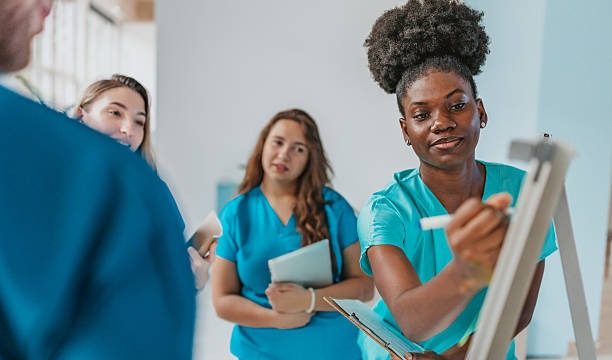
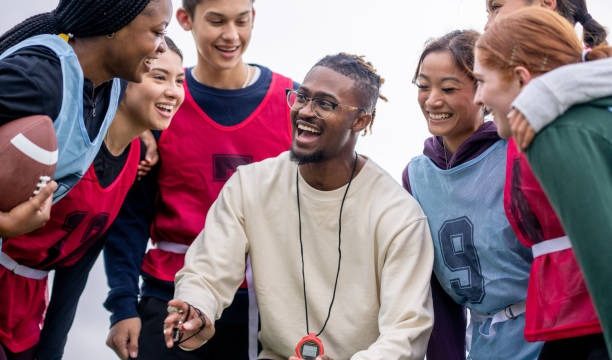
In this evolving landscape of education, the role of educators is shifting from traditional instructors to facilitators of learning. They are no longer the sole source of knowledge but rather guides who encourage exploration and curiosity. This change empowers students to take ownership of their learning journey, fostering a love for knowledge that extends beyond the classroom.
Educators can create an environment where questioning is encouraged, and mistakes are viewed as opportunities for growth. By nurturing a culture of inquiry and exploration, they inspire students to seek answers and develop critical thinking skills. This approach not only enhances academic performance but also prepares students for lifelong learning.
Looking ahead with optimism
As we embrace modern curriculum planning, it is essential to approach it with a sense of optimism. The future of education is bright, filled with possibilities for innovation and growth. By connecting skills and knowledge, we can create a generation of learners who are equipped to thrive in an ever-changing world.
In this journey, collaboration among educators, parents, and communities is vital. Together, we can create a supportive ecosystem that nurtures the potential of every student. As we continue to evolve and adapt, let us remain committed to fostering a love for learning that lasts a lifetime.
In conclusion, connecting skills and knowledge through modern curriculum planning is not just a trend; it’s a necessity. By embracing this holistic approach, we can empower students to become insightful, adaptable, and compassionate individuals. As we move forward, let’s celebrate the beauty of learning and the connections that weave us all together. The future is bright, and the possibilities are endless.