Understanding learning differences can feel like navigating a complex maze.
With so many unique pathways and experiences, it’s easy to become overwhelmed.
However, approaching this topic with warmth and curiosity can illuminate not just the challenges but also the beautiful diversity of how we all learn.
Every individual has a distinct way of processing information, shaped by a blend of personal experiences, backgrounds, and even neurological factors. While some people may thrive in traditional learning environments, others might find themselves struggling to keep pace. This disparity is where understanding learning differences becomes essential—not just for educators or parents, but for everyone in our community.
A small shift toward balance
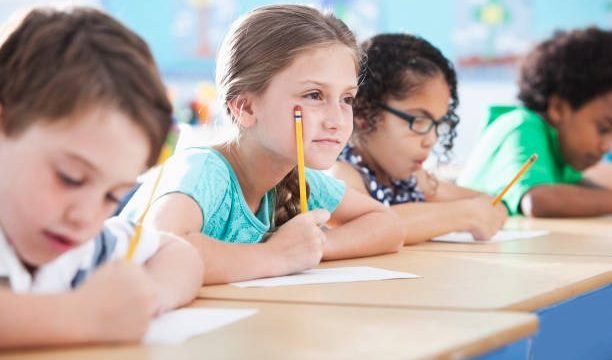
Imagine walking into a classroom where every student is engaged and learning at their own pace. It’s a beautiful vision, isn’t it? To create such an environment, we must first recognize that learning differences are not limitations but rather variations that can enhance the educational experience. When we embrace these differences, we open the door to a more inclusive and enriching atmosphere.
It’s important to remember that learning differences can manifest in various ways. Some individuals may have specific learning disabilities, such as dyslexia or ADHD, while others might simply learn better through visual or kinesthetic methods. Each of these pathways is valid and deserving of respect. Recognizing this variety allows us to cultivate an appreciation for the unique talents and perspectives that each person brings to the table.
Creating a supportive environment
In a world that often emphasizes conformity, creating spaces where learning differences are understood and celebrated is crucial. This begins with fostering open dialogue. When we talk about learning styles and differences in a constructive manner, we help demystify them. Conversations can be powerful tools for building empathy and understanding. Sharing stories about personal experiences can bridge gaps and foster connections.
Educators play a pivotal role in this process. By adopting a flexible teaching approach that accommodates various learning styles, they can help students thrive. This might involve using a mix of visual aids, hands-on activities, and verbal explanations to ensure that everyone can engage with the material in a way that suits them best. When teachers recognize the individual needs of their students, they can cultivate an environment where all learners feel valued and capable.
The role of families and communities
Families and communities also have a significant part to play in supporting learning differences. Encouraging open conversations at home about how each person learns can foster a culture of acceptance and understanding. Parents can share their own learning experiences, highlighting that everyone has strengths and weaknesses. This not only normalizes the conversation around learning differences but also helps children feel more comfortable expressing their own needs.
Community engagement is equally vital. Workshops and support groups can provide platforms for parents and educators to exchange ideas and strategies. When communities come together to learn about and advocate for individuals with learning differences, they create a more inclusive society. This collective effort can empower everyone to recognize the value of diverse learning experiences.
Finding resources and support
Navigating the realm of learning differences can sometimes feel isolating. However, there are many resources available to help individuals and families along the journey. Local organizations, online forums, and educational websites offer valuable information and support networks. These resources can provide guidance on everything from understanding specific learning differences to finding effective teaching methods.
It’s also helpful to remember that seeking support is not a sign of weakness but rather a step toward empowerment. Connecting with others who share similar experiences can be reassuring and enlightening. Whether it’s through online communities or local meetups, finding a sense of belonging can make a world of difference.
Embracing the beauty of diversity
At its core, understanding learning differences is about embracing the beauty of human diversity. Each person’s journey is unique, and when we take the time to appreciate those differences, we enrich our own lives. Learning from others who think differently can inspire creativity and innovation, leading to fresh ideas and perspectives.
As we continue to navigate an ever-changing world, fostering an environment that values learning differences is more important than ever. By sharing our stories, supporting one another, and advocating for inclusive practices, we can create a brighter future for everyone.
In our quest for understanding, let’s remember that the journey is just as important as the destination. Acknowledging and celebrating our differences can lead to a more compassionate and connected community. Together, we can build bridges of understanding, creating spaces where everyone has the opportunity to learn and grow.
As we reflect on this journey, it becomes clear that learning differences are not just challenges to be managed but opportunities to be embraced. Each individual brings something unique to the table, and when we honor that, we enrich our collective experience. By fostering understanding, compassion, and acceptance, we can build a world where everyone has the chance to shine.
In the end, learning is a lifelong adventure that we all share. By approaching learning differences with kindness and curiosity, we can transform not just our educational systems but our communities and lives. Together, let’s continue to explore, understand, and celebrate the wonderful tapestry of human learning.