In a world that is constantly evolving, the landscape of education is also undergoing significant changes.
Among these transformations, modern special education stands out as a beacon of hope and possibility.
It invites us to explore new avenues for learning and engagement, ensuring that every individual has the opportunity to thrive in their unique way.
As we delve into this topic, we uncover the ways in which innovative approaches and compassionate practices are reshaping the academic experience for those with diverse learning needs.
A gentle shift in perspective can open doors to understanding. For far too long, traditional educational models have focused on a one-size-fits-all approach. This can leave many students feeling marginalized or overlooked. Modern special education challenges this notion by emphasizing the importance of individualized learning plans that cater to the strengths and needs of each student. By recognizing that every learner has a distinct way of processing information, educators can create tailored experiences that foster growth and confidence.
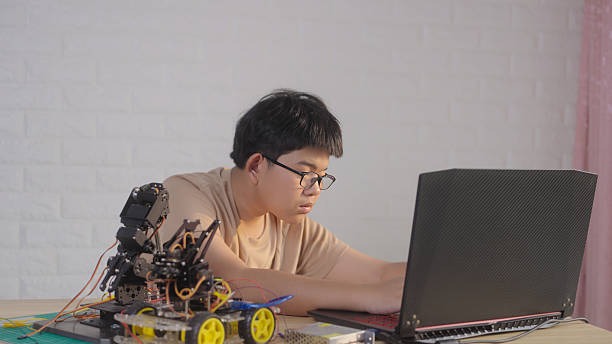
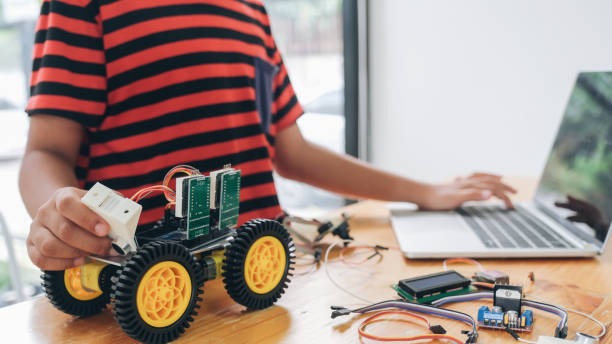
The integration of technology into special education is one of the most exciting developments in recent years. Assistive technologies, such as communication devices and adaptive software, have transformed the way students interact with their environment and access information. These tools not only enhance learning but also promote independence, allowing individuals to express themselves more freely. Imagine a student who once struggled to communicate their thoughts now using a tablet to share ideas, engage in discussions, and connect with peers. This shift towards accessibility represents a profound change in how we perceive potential.
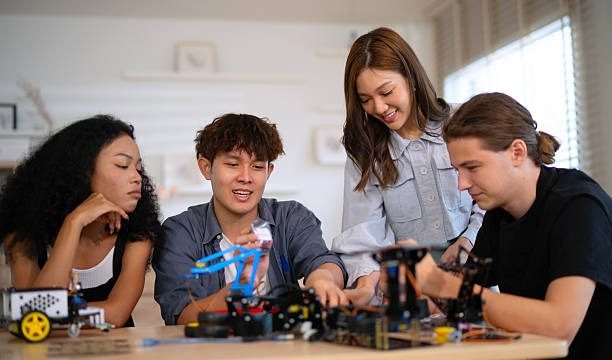
As we explore modern special education, it’s essential to acknowledge the role of collaborative practices. Teachers, therapists, and families are now working together more closely than ever before to create supportive learning environments. This partnership fosters a sense of community and shared responsibility, allowing students to thrive academically and socially. When educators and families unite in their efforts, they create a nurturing atmosphere that encourages exploration and creativity. It’s a reminder that education is not just a solitary journey but a collective experience.
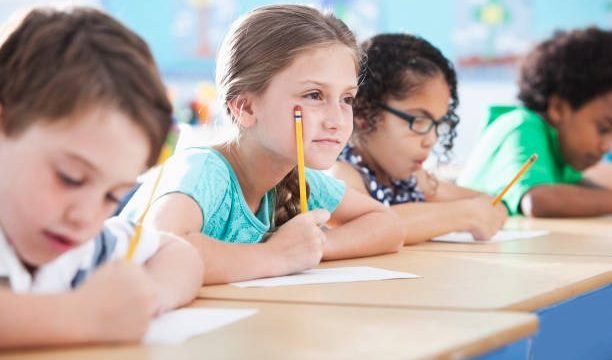
Inclusivity is another cornerstone of contemporary special education. Schools are increasingly committed to creating spaces where all students feel valued and respected. This commitment goes beyond mere compliance with regulations; it reflects a deeper understanding of the importance of diversity in the classroom. By celebrating differences and promoting acceptance, educators help to cultivate an environment where every student can flourish. The impact of this inclusive mindset extends beyond the classroom, shaping compassionate citizens who appreciate the richness of varied perspectives.
A focus on social-emotional learning is also gaining prominence within modern special education frameworks. Recognizing that emotional well-being is intricately linked to academic success, educators are prioritizing the development of skills such as empathy, resilience, and self-regulation. This holistic approach nurtures not only the mind but also the heart, equipping students with the tools they need to navigate life’s challenges. When learners feel emotionally supported, they are more likely to engage in their education and pursue their passions.
The benefits of modern special education ripple outward, influencing not only the students directly involved but also the broader community. As we embrace diverse learning styles and foster understanding, we create a culture of acceptance that enriches society as a whole. Businesses, organizations, and community members increasingly recognize the value of diverse talents and perspectives, leading to a more inclusive workforce and vibrant social fabric. This interconnectedness highlights the importance of viewing education not just as a means to an end but as a catalyst for positive change.
As we reflect on the advancements in special education, it’s vital to consider the role of advocacy. Voices from various stakeholders—parents, educators, and students—are coming together to champion the rights and needs of individuals with diverse learning challenges. This collective effort not only raises awareness but also promotes policy changes that enhance educational opportunities. When we advocate for inclusivity and accessibility, we empower future generations to pursue their dreams without limitations.
In this journey of discovering new possibilities, it’s essential to remain open to continuous learning and adaptation. The landscape of special education will continue to evolve, influenced by research, technology, and societal shifts. As we navigate this dynamic environment, we must remain committed to fostering a culture of empathy and understanding. Every small step towards improvement can lead to significant changes in the lives of individuals with diverse learning needs.
Ultimately, modern special education invites us to envision a world where every learner can shine in their own way. It challenges us to break down barriers and embrace the beauty of diversity. By prioritizing individualized approaches, fostering collaboration, and promoting inclusivity, we create an educational landscape that celebrates the unique strengths of each student. As we move forward, let us carry this vision with us, supporting one another in our quest to unlock the full potential of every individual.
In closing, the journey of modern special education is one of hope and possibility. It reminds us that education is not merely about imparting knowledge but also about nurturing the whole person. By embracing new ideas and practices, we can create a brighter future for all learners. As we continue to champion the values of inclusivity, empathy, and innovation, we pave the way for a world where every individual has the chance to thrive.