In a world that constantly evolves, the need for skilled problem solvers has never been more pronounced.
As challenges in various sectors grow increasingly complex, the importance of technical education as a foundation for real-world solutions becomes clear.
It’s not just about learning to code or fixing machines; it’s about nurturing a mindset that embraces creativity, innovation, and practicality.
Many people think of technical education as a pathway designed solely for those who want to work in engineering or computer science. However, the truth is that technical education encompasses a much broader spectrum. It includes disciplines such as plumbing, electrical work, automotive technology, and many others. Each of these areas plays a crucial role in our daily lives and contributes to the overall functionality of our communities. By engaging with technical education, individuals can become adept at addressing real-world issues and can find fulfillment in their work while helping others.
A small shift toward balance can transform how we perceive education. Traditionally, the academic narrative often prioritizes theoretical knowledge over practical skills. Yet, as we navigate the intricacies of modern life, it becomes evident that theoretical knowledge alone does not suffice. Real-world problem solvers are those who can apply what they know to create solutions that are both innovative and applicable. This is where technical education shines, providing a hands-on approach that allows students to experiment, fail, learn, and ultimately succeed.
Consider the impact of a skilled technician in a community. When a local plumbing issue arises, it’s not just a matter of fixing a leak; it’s about ensuring that families have access to clean water, which is essential for health and well-being. A person trained in technical education does not merely fix pipes; they restore comfort and security to a household. This sense of purpose is what draws many individuals to pursue careers in technical fields. They understand that their skills can make a tangible difference in people’s lives.
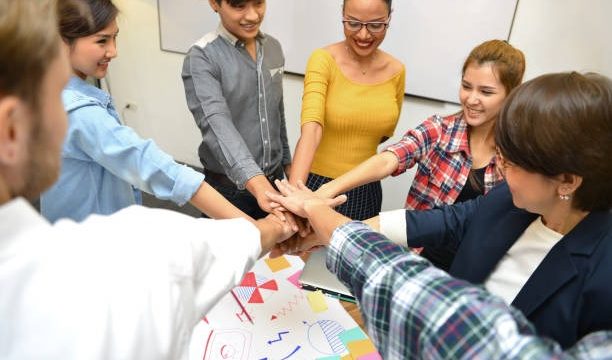
Moreover, technical education fosters a sense of collaboration and community. Students often work on projects in teams, learning to communicate effectively, share ideas, and support one another. These experiences build not just technical skills but also interpersonal ones that are crucial in any workplace. As they navigate challenges together, they develop resilience and adaptability—qualities that are invaluable in today’s fast-paced world.
The beauty of technical education lies in its accessibility. It welcomes individuals from all walks of life, regardless of their prior academic achievements. This inclusivity encourages a diverse range of voices and perspectives, enriching the learning environment. In this space, everyone has the opportunity to discover their strengths and interests. Whether someone is drawn to the logic of coding or the creativity of design, technical education offers pathways that can lead to fulfilling careers.
As we explore the role of technical education in shaping problem solvers, it’s essential to acknowledge the evolving landscape of technology. With advancements in artificial intelligence, automation, and sustainable practices, the skills required in technical fields are continuously changing. Educational institutions are responding by updating their curricula to incorporate emerging technologies and methodologies. This commitment to staying relevant ensures that students are not only prepared for the jobs of today but also for those of tomorrow.
The integration of soft skills into technical education is another important aspect. Employers increasingly seek individuals who possess not only technical expertise but also emotional intelligence, critical thinking, and effective communication skills. By emphasizing these soft skills alongside technical training, educational programs are equipping students to navigate complex work environments and collaborate successfully with colleagues and clients.
In reflecting on the broader implications of technical education, we can see its potential to bridge gaps in society. As we face global challenges such as climate change, economic disparity, and public health crises, the role of skilled problem solvers becomes even more critical. Technical education empowers individuals to contribute to solutions that address these pressing issues. For instance, those trained in renewable energy technologies are directly involved in the transition to sustainable practices, helping to protect our planet for future generations.
Furthermore, as communities become more technologically integrated, the need for digital literacy continues to grow. Technical education provides the foundation for individuals to navigate this digital landscape confidently. By teaching skills that range from coding to cybersecurity, educational programs prepare students to engage with technology in meaningful ways. This engagement not only enhances their employability but also fosters a sense of agency in a world where technology plays an ever-increasing role.
As we look ahead, it’s clear that technical education is not merely a stepping stone to a job; it is a pathway to becoming an engaged and informed citizen. Those who pursue this form of education are often motivated by a desire to make a difference. They are the individuals who will tackle the challenges of our time, from building sustainable infrastructures to creating innovative solutions in healthcare.
In conclusion, technical education serves as a vital resource for nurturing real-world problem solvers. By combining practical skills with critical thinking and emotional intelligence, it prepares individuals to face the complexities of modern life. As we continue to embrace the value of technical education, we foster a community of skilled professionals who are ready to contribute positively to society. This journey not only enriches their lives but also enhances the lives of those around them, creating a ripple effect of positive change. With every challenge they tackle, these problem solvers remind us of the power of education to transform not only individuals but entire communities.