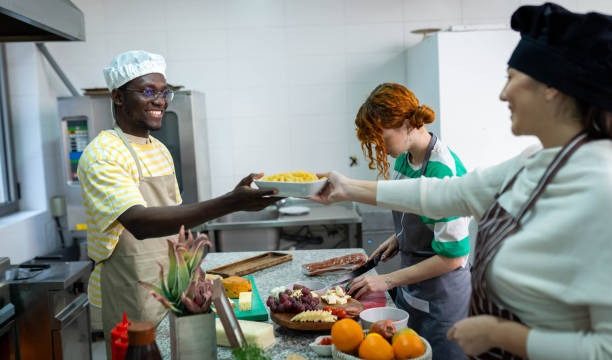
The strength of community in special education programs is a topic that resonates deeply with many families and educators alike.
As we navigate the complexities of learning differences, it becomes increasingly clear that the role of community is not merely supportive; it is essential.
The foundation of successful special education often lies in the collaboration between families, educators, and local organizations.
Together, they weave a rich tapestry of support that nurtures growth and development for children with special needs.
Creating a nurturing environment is key to fostering a sense of belonging. When families feel connected to their schools and the surrounding community, they are more likely to engage actively in their children’s education. This engagement can take many forms, from attending school meetings to participating in volunteer activities. Each interaction builds a stronger bond, reinforcing the idea that education is a shared journey.
In many communities, special education programs are designed to be inclusive, welcoming not just students with disabilities but also their families and peers. This inclusivity helps to break down barriers and foster understanding. When children learn alongside their peers, they gain invaluable social skills that enrich their lives. Likewise, typical students benefit from exposure to diversity, learning empathy and acceptance in the process.
A small shift toward balance can have a profound impact on how we view special education. Traditionally, the focus has often been on what children with special needs cannot do. However, a community-centered approach encourages us to recognize and celebrate their unique strengths. Programs that highlight individual abilities rather than limitations empower children to embrace their identities. This shift in perspective not only supports the child’s self-esteem but also inspires those around them to appreciate the beauty of diversity.
Collaboration extends beyond the school walls. Local organizations often play a pivotal role in enhancing special education programs. Community centers, recreational facilities, and even local businesses can offer resources, workshops, and activities that cater to children with special needs. These partnerships enrich the educational experience, providing opportunities for children to engage in extracurricular activities that foster social skills and personal interests.
The power of storytelling should not be underestimated in this context. When families share their experiences, they create a ripple effect throughout the community. Personal narratives can inspire others, fostering understanding and empathy. Schools can encourage this by hosting events where families can share their journeys, creating a rich tapestry of experiences that highlights both challenges and triumphs. These stories remind us that while the path may be difficult, it is also filled with hope and resilience.
Additionally, parental involvement is a cornerstone of successful special education programs. When parents feel empowered to advocate for their children, they contribute to a culture of collaboration. Schools that encourage open communication and feedback create an environment where parents feel heard and valued. This partnership can lead to innovative solutions tailored to meet the unique needs of each child.
As we consider the importance of community in special education, it’s vital to acknowledge the role of educators. Teachers who are dedicated to their students’ success often go above and beyond to create inclusive classrooms. Professional development opportunities that focus on best practices in special education are essential for equipping educators with the tools they need. When teachers are supported, they can foster a positive learning environment that benefits all students.
The role of technology in special education cannot be overlooked. In recent years, advancements in technology have opened up new avenues for learning and communication. Assistive technologies can help bridge gaps, allowing children to engage with their peers and curriculum in meaningful ways. Community access to these resources ensures that all children can benefit, regardless of their individual challenges.
A focus on wellness within the community is also crucial. Special education is not just about academics; it encompasses the overall well-being of the child. Programs that integrate social-emotional learning help children develop resilience and coping strategies. When a community prioritizes mental health and wellness, it lays the groundwork for a more supportive environment for everyone involved.
Ultimately, the strength of community in special education programs reflects our shared values and aspirations. It reminds us that every child deserves the opportunity to thrive, and that thriving is often a collective effort. By coming together—families, educators, and community members—we can create a tapestry of support that enriches the lives of children with special needs.
As we move forward, let us continue to nurture these connections and celebrate the diversity that enriches our communities. The journey may be challenging, but the rewards are immeasurable. Together, we can build a future where every child feels valued, understood, and empowered to reach their fullest potential. In this shared vision, we find strength, hope, and a profound sense of belonging.