In a world increasingly aware of the diverse needs of learners, adaptive special education methods have emerged as a beacon of hope and empowerment.
These approaches are not just about accommodating differences; they are about celebrating individuality, fostering growth, and encouraging success in ways that resonate with each unique learner.
Understanding the essence of adaptive special education means recognizing that every child has their own rhythm, strengths, and challenges. Traditional educational methods may not always serve these students effectively. Instead, adaptive methods create a nurturing environment where tailored strategies promote engagement and understanding. This gentle shift in perspective can make all the difference.
Creating a supportive atmosphere is fundamental. Educators and caregivers play a vital role in crafting an environment that embraces flexibility and innovation. By observing how a child interacts with their surroundings and responds to various teaching methods, adults can begin to tailor their approach. This might involve integrating technology, hands-on activities, or even adjusting the pace of lessons to align with the child’s needs. Each small change contributes to a larger tapestry of success.
A key aspect of adaptive education is the emphasis on personalized learning experiences. This can mean modifying lesson plans or providing additional resources that cater to specific interests or strengths. When educators take the time to understand a child’s passions, they can weave those elements into the learning process. For instance, a child fascinated by animals might engage more deeply in a science lesson that incorporates wildlife. This connection not only enhances learning but also builds confidence, making the educational journey more enjoyable.
Collaboration between educators, parents, and specialists is another cornerstone of adaptive special education. When everyone involved in a child’s education is on the same page, the child benefits immensely. Regular communication helps to identify what works and what doesn’t, allowing for continuous improvement in teaching strategies. When families are engaged in the learning process, they can reinforce skills at home, creating a consistent support system that extends beyond the classroom.
Moreover, adaptive methods often incorporate social-emotional learning, which is essential for overall development. Understanding emotions and developing social skills are critical for all children, particularly those with special needs. By integrating activities that promote emotional awareness and social interaction, educators can help students navigate their feelings and relationships. This holistic approach nurtures resilience, enabling children to face challenges with a positive mindset.
As we delve deeper into the realm of adaptive education, it becomes clear that assessment plays a vital role. Rather than relying solely on standardized tests, educators are encouraged to use a variety of assessment tools that provide a more comprehensive view of a child’s abilities. Observations, portfolios, and performance-based assessments can offer insights that traditional methods might miss. This richer understanding allows for more targeted interventions that truly cater to the child’s needs.
Another remarkable aspect of adaptive special education is the use of assistive technology. Tools such as speech-to-text software, interactive apps, and specialized learning platforms can empower students by providing alternative ways to engage with content. These technologies can level the playing field, allowing learners to express themselves and demonstrate their understanding in ways that resonate with them. The beauty of technology lies in its ability to adapt to individual learning styles, making it a powerful ally in the educational journey.
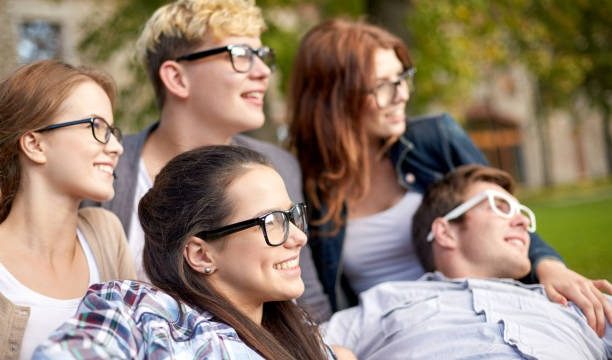
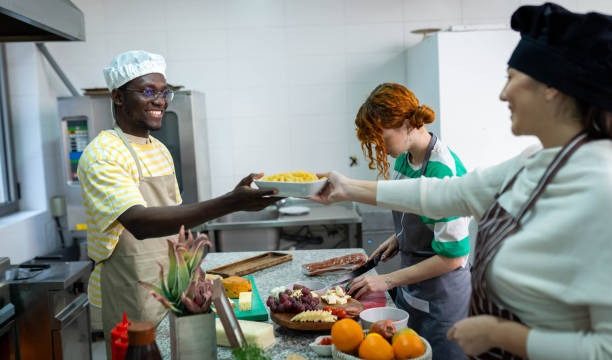
In addition to academic success, adaptive methods foster a sense of community among students. When classrooms are designed to be inclusive, children learn to appreciate diversity and develop empathy for one another. They become not only better learners but also better friends and collaborators. Through group projects, peer tutoring, and collaborative learning experiences, students can build meaningful relationships while gaining valuable skills.
Encouraging a growth mindset is another vital component of adaptive education. When students are taught to view challenges as opportunities for growth, they become more resilient. Educators can help instill this mindset by celebrating effort over outcome and encouraging students to take risks in their learning. This perspective shift fosters a love for learning that lasts a lifetime, helping children feel more confident in their abilities.
As we reflect on the importance of adaptive special education methods, it’s clear that success is not just about academic achievement. It encompasses emotional well-being, social interactions, and personal growth. By embracing a holistic approach, we can nurture children who are not only knowledgeable but also equipped with the skills to navigate life’s challenges.
In conclusion, adaptive special education methods represent a compassionate and effective approach to learning. By recognizing and honoring the unique needs of each child, we open the door to a world of possibilities. With the right support, encouragement, and understanding, every child can thrive in their own way. As we continue to evolve our educational practices, let us remain committed to fostering environments where all learners feel valued, empowered, and inspired to succeed.