In our fast-paced world, where information flows like a river, the way we learn and share knowledge has transformed dramatically.
The quest for meaningful learning experiences is more important than ever, as it allows us to connect deeply with the material we encounter and fosters a sense of community among learners.
Creating spaces where everyone can thrive is not just a noble goal; it is essential for nurturing a more inclusive and empathetic society.
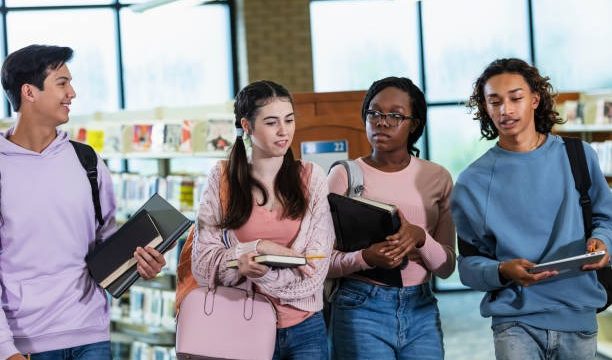
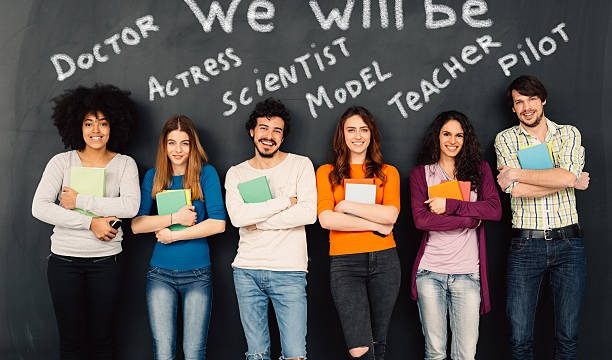
A gentle approach to learning recognizes that each individual comes with their own unique background, experiences, and perspectives. This diversity enriches our collective understanding and opens doors to new ideas. When we design learning experiences with this in mind, we create environments that invite participation from all corners of life. It’s about crafting moments where learners feel valued and inspired to share their voices.
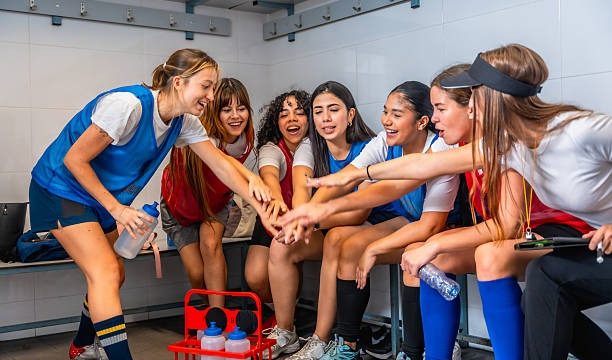
One of the most effective ways to cultivate meaningful learning is to foster a sense of belonging. When people feel that they are part of a community, they are more likely to engage and invest in the learning process. This can be achieved through collaborative projects, group discussions, and shared experiences that encourage interaction. By blending personal stories with educational content, we create a tapestry of shared knowledge that resonates on a deeper level.
Consider the power of storytelling in the learning process. Stories have an innate ability to captivate and connect us, transcending barriers of language and culture. When educators integrate narratives into their lessons, they create an emotional anchor that makes the material more relatable and memorable. Imagine a history lesson that doesn’t just present dates and events but unfolds through the eyes of individuals who lived through those times. This method invites students to step into history, fostering empathy and a deeper understanding of the human experience.
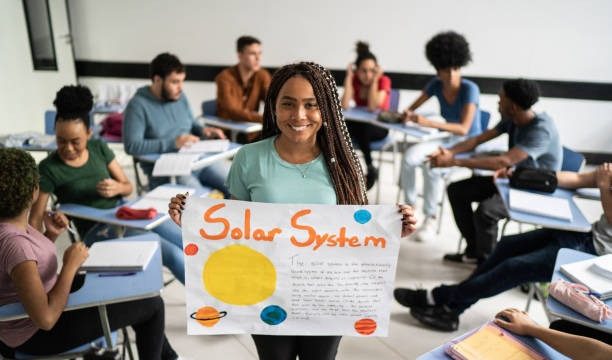
Another critical aspect of creating meaningful learning experiences is the acknowledgment of different learning styles. Not everyone absorbs information in the same way. Some thrive in visual environments, while others prefer auditory or kinesthetic learning. By incorporating a variety of teaching methods, educators can cater to a wider audience, ensuring that each learner can engage with the material in a way that resonates with them. This flexibility not only enhances comprehension but also empowers learners to take charge of their educational journeys.
In addition to diverse teaching methods, the physical environment where learning occurs plays a significant role in shaping experiences. A welcoming, well-organized space can inspire creativity and concentration. Whether it’s a classroom, a community center, or a virtual platform, the atmosphere should encourage exploration and curiosity. Elements like natural light, comfortable seating, and accessible resources can make a world of difference in how individuals engage with the content being presented.
A small shift toward balance in our approach to assessments can also enhance the learning experience. Traditional testing methods often focus solely on memorization and regurgitation of facts, which can stifle creativity and critical thinking. Instead, incorporating formative assessments—such as presentations, projects, or reflective journals—allows learners to demonstrate their understanding in a more holistic way. This not only alleviates some of the pressure associated with high-stakes testing but also encourages learners to express themselves authentically.
Moreover, the role of feedback in the learning process cannot be understated. Constructive feedback is a powerful tool for growth, providing learners with insights into their strengths and areas for improvement. When feedback is delivered in a supportive and encouraging manner, it fosters a growth mindset, where learners see challenges as opportunities rather than obstacles. This nurturing approach cultivates resilience and a lifelong love for learning.
Incorporating technology into learning experiences can create dynamic and interactive environments. Digital tools can provide access to a wealth of information and resources that were previously unimaginable. Virtual reality experiences, educational apps, and online collaboration platforms can enhance engagement and make learning more accessible. However, it’s essential to strike a balance between technology and personal interaction. While technology can enrich the learning experience, it should never replace the invaluable connections formed through face-to-face interactions.
As we navigate the complexities of education in the modern age, it’s vital to remember the importance of empathy and understanding. Educators, mentors, and learners alike should strive to create spaces where everyone feels safe and encouraged to express themselves. Recognizing the challenges that individuals may face outside of the learning environment can lead to more compassionate interactions and support systems. This holistic understanding of each learner’s context can transform the educational experience into one that is truly meaningful.
Ultimately, creating meaningful learning experiences is about more than just imparting knowledge. It’s about nurturing curiosity, fostering relationships, and celebrating the unique contributions of every individual. It’s a journey that requires patience, creativity, and a willingness to adapt. As we continue to evolve in our understanding of education, let us embrace the beauty of diversity and the power of connection.
In this shared pursuit of knowledge, we have the opportunity to build bridges and cultivate understanding. By investing in meaningful learning experiences, we not only enrich our own lives but also contribute to a more compassionate and informed world. Each experience we create can have a ripple effect, inspiring others to engage, learn, and grow alongside us. Together, let us embark on this journey of discovery, where every voice matters and every learning moment is cherished.