In recent years, the conversation around education has evolved significantly, with a growing emphasis on inclusivity.
This shift is not merely a trend but a recognition of the diverse needs of students.
Inclusive education is a powerful approach that transforms lives, fostering an environment where every child can thrive, regardless of their background or abilities.
The essence of inclusive education lies in its core belief: every child has the right to learn alongside their peers. This philosophy extends beyond just physical presence in a classroom; it encompasses a commitment to ensuring that all students have equitable access to learning opportunities. It is about creating a rich tapestry of experiences where differences are not just acknowledged but celebrated.
Understanding the impact of inclusive education begins with recognizing the diverse spectrum of learners. Each child brings unique strengths and challenges to the classroom. For some, learning may come easily, while others may face hurdles that require additional support. Inclusive education seeks to bridge these gaps by providing tailored resources and strategies that cater to individual needs. This approach not only benefits those who may struggle but enriches the entire learning environment.
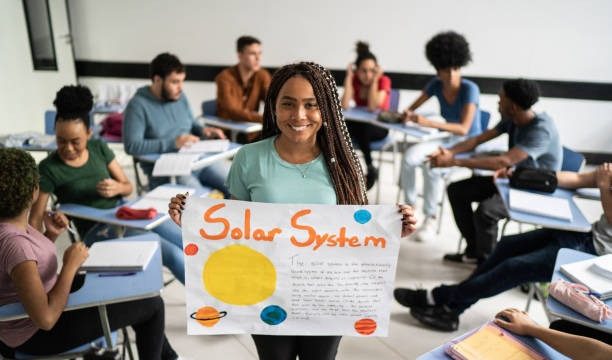
A small shift toward balance can make a world of difference. Imagine a classroom where students collaborate on projects, sharing their strengths and perspectives. This dynamic creates a sense of community and belonging, essential elements for any child’s development. When students learn together, they cultivate empathy, understanding, and respect for one another. These are invaluable life skills that extend far beyond the classroom walls.
The role of educators in this journey cannot be overstated. Teachers who embrace inclusive practices become facilitators of change. They adapt their teaching methods to engage all learners, employing a variety of instructional strategies that resonate with different learning styles. This adaptability allows each student to shine in their own way, fostering confidence and a love for learning. Educators also play a crucial role in modeling inclusive behavior, demonstrating how to appreciate diversity and work collaboratively.
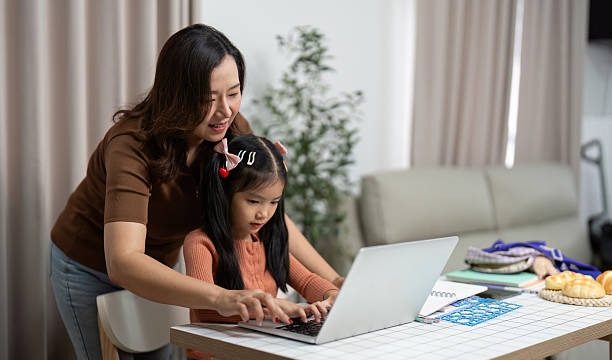
Families are integral to the success of inclusive education, too. When parents and caregivers are involved, they enhance their children’s educational experiences. Open communication between home and school builds a partnership that supports students’ needs. This collaboration can take many forms, from participating in school events to advocating for necessary resources. When families feel empowered, they contribute to a nurturing environment that promotes growth and resilience.
The impact of inclusive education extends beyond individual classrooms. It has the potential to reshape communities. As children learn to embrace differences during their formative years, they carry these lessons into adulthood. They become more compassionate, open-minded individuals who contribute positively to society. This ripple effect can lead to more inclusive workplaces and communities, fostering a culture of acceptance and understanding.
Another vital aspect of inclusive education is the importance of mental health and well-being. In an inclusive setting, students feel safe to express themselves and seek help when needed. Schools that prioritize mental health create an atmosphere where students can thrive emotionally and academically. This holistic approach acknowledges that learning happens best when students feel secure and valued.
As we reflect on the journey toward inclusive education, it is essential to recognize the ongoing challenges. While progress has been made, there is still work to be done. Advocacy for policy changes, increased funding for resources, and professional development for educators are crucial components in this process. By addressing these areas, we can ensure that inclusive education becomes the norm rather than the exception.
Inclusion is not a one-size-fits-all solution. It requires continuous reflection and adaptation. Schools must remain flexible and responsive to the changing needs of their students. This commitment to growth and evolution is what makes inclusive education a living, breathing practice. It thrives on innovation and collaboration, always striving to meet the needs of every learner.
The stories of those impacted by inclusive education are truly inspiring. From students who have overcome challenges to educators who have found their calling in creating inclusive spaces, these narratives remind us of the profound effects of this approach. They illuminate the paths of resilience, growth, and connection that emerge when we prioritize inclusivity in education.
Ultimately, inclusive education is about more than just academic success; it is about nurturing well-rounded individuals who are prepared to navigate a diverse world. It teaches students the value of compassion, cooperation, and understanding—qualities that are essential in our interconnected society.
As we look to the future, let us continue to champion inclusive education. Every child deserves the opportunity to learn, grow, and thrive in an environment that celebrates their unique contributions. By embracing this philosophy, we not only change individual lives but also pave the way for a more inclusive and equitable society. Together, we can create a brighter future where every learner has the chance to shine.