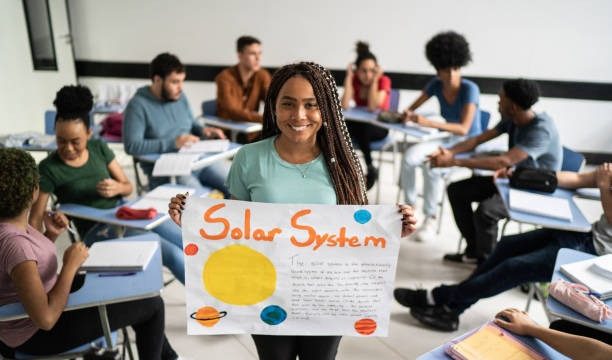
Inspiring Classrooms Designed for Diverse Learners
In today’s ever-evolving educational landscape, the importance of creating inspiring classrooms that cater to diverse learners cannot be overstated.
Each student is unique, bringing their own set of experiences, strengths, and challenges to the learning environment.
As educators and communities strive to meet the needs of all students, the idea of an inclusive and adaptable classroom becomes not just a goal, but a necessity.
A nurturing space for growth
Imagine stepping into a classroom where the atmosphere feels welcoming and warm. The walls are adorned with colorful artwork, showcasing the creativity of students from various backgrounds. Learning materials are thoughtfully arranged to be accessible to everyone, and the furniture is flexible, promoting collaboration and interaction. This is the essence of a nurturing space designed for diverse learners.
Creating such an environment begins with understanding that students have different learning styles and preferences. Some thrive in quiet spaces, while others flourish in lively, interactive settings. By incorporating various seating arrangements and learning zones, educators can cater to these diverse needs. For instance, soft seating areas for reading and reflection can coexist with collaborative tables for group projects, allowing students to choose the setting that best supports their learning.
Cultivating a sense of belonging
A key aspect of an inspiring classroom is fostering a sense of belonging among students. When learners feel valued and understood, they are more likely to engage actively in their education. This can be achieved through inclusive practices that honor each student’s identity and background. Incorporating multicultural literature and celebrating diverse traditions helps students see themselves reflected in the curriculum, promoting a deeper connection to the material.
Additionally, building a classroom community that emphasizes respect and empathy is essential. Encouraging students to share their stories and experiences creates opportunities for connection and understanding. When students learn from one another and appreciate their differences, they not only enhance their social skills but also enrich their educational journey.
The role of technology in learning
In recent years, technology has transformed the way we approach education. For diverse learners, technology can serve as a powerful tool to enhance engagement and accessibility. Interactive learning platforms and educational apps can cater to various learning styles, allowing students to progress at their own pace. For instance, visual learners can benefit from video content, while those who prefer auditory learning can engage with podcasts and audiobooks.
Moreover, assistive technology plays a crucial role in supporting students with special needs. Tools such as speech-to-text software and screen readers can help bridge gaps and provide equal opportunities for all learners. By embracing technology, educators can create dynamic classrooms that adapt to the diverse needs of their students, empowering them to succeed.
Embracing flexibility in teaching
Flexibility in teaching methods is another cornerstone of an inspiring classroom. Traditional one-size-fits-all approaches often leave some students behind, while others may feel unchallenged. By employing a variety of instructional strategies, educators can reach every learner effectively. This might include hands-on activities, visual aids, group discussions, and individual projects, allowing students to engage with the material in ways that resonate with them.
Furthermore, providing choices in assignments can empower students to take ownership of their learning. When learners have the opportunity to select how they demonstrate their understanding—whether through a presentation, a creative project, or a written report—they become more invested in their work. This sense of agency fosters motivation and encourages students to explore their interests.
The importance of collaboration
Collaboration among educators, families, and the community is vital in creating inspiring classrooms for diverse learners. When teachers work together, sharing insights and strategies, they can develop more comprehensive approaches to meet the needs of all students. Professional development opportunities focused on inclusive practices can equip educators with the tools they need to create supportive environments.
Engaging families in the educational process also enhances the learning experience. Open lines of communication between teachers and parents can provide valuable insights into a student’s strengths and challenges. When families feel included in their child’s education, it fosters a partnership that benefits everyone involved.
A small shift toward balance
As we reflect on the design of inspiring classrooms, it’s essential to recognize that balance is key. While it’s important to create an environment that supports diverse learners, it’s equally crucial to ensure that the classroom remains a place of calm and focus. Striking a harmonious balance between stimulation and tranquility can help students feel grounded and ready to learn.
Incorporating mindfulness practices into the daily routine can contribute to this balance. Simple activities like deep breathing exercises or short moments of reflection can help students center themselves, promoting emotional well-being. When students are equipped with tools to manage their emotions, they are more prepared to engage with their peers and the learning material.
Looking ahead
As we move forward in education, the commitment to designing inspiring classrooms for diverse learners will continue to shape the future of teaching and learning. By embracing inclusivity, flexibility, and collaboration, we can create environments where every student feels valued and empowered.
The journey toward inspiring classrooms is ongoing, but with each small change, we move closer to a vision where all learners can thrive. Together, educators, families, and communities can nurture the next generation of thinkers, creators, and leaders, ensuring that every child has the opportunity to shine. In doing so, we not only enhance individual lives but also enrich the tapestry of our society as a whole.