In our ever-evolving world, the concept of education is shifting to embrace a more inclusive approach.
This journey toward inclusive education is not just a trend; it’s a heartfelt movement that seeks to create spaces where every learner feels valued and empowered.
Whether in a traditional classroom or a virtual learning environment, the essence of inclusive education lies in recognizing and honoring the unique abilities and backgrounds of each student.
Understanding the foundation of inclusive education is essential. At its core, this approach is about ensuring that all students, regardless of their abilities or challenges, have access to quality education. It acknowledges that every child brings a unique perspective to the classroom, enriching the learning experience for everyone involved. This philosophy not only benefits those who may require additional support but also fosters a sense of community and belonging among all students.
A small shift toward balance can make a significant difference. When educators embrace diversity in their teaching strategies, they open the door to a richer learning environment. This can be achieved through various methods, such as differentiated instruction, where lessons are tailored to meet the individual needs of students. By understanding that not every child learns the same way, teachers can employ various techniques—like visual aids, hands-on activities, or collaborative projects—to engage each learner effectively.
Incorporating a variety of teaching styles also nurtures an atmosphere of acceptance and understanding. Students witness firsthand the beauty of diverse learning methods, which can inspire empathy and cooperation. When children see their peers thriving in different ways, they learn to appreciate the unique strengths that everyone brings to the table, fostering a culture of respect and kindness.
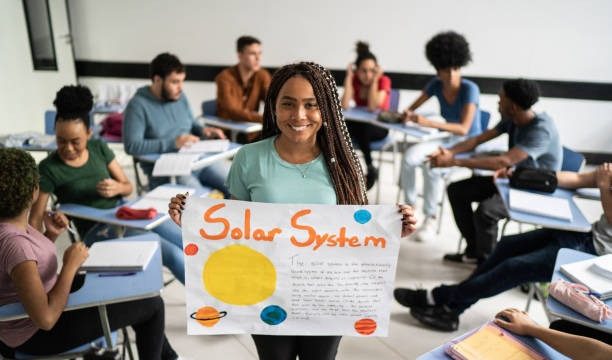
Creating an inclusive environment extends beyond just teaching strategies; it also involves the physical and emotional aspects of the classroom. A welcoming classroom space can significantly impact a child’s willingness to engage and participate. Simple touches, such as flexible seating arrangements or sensory corners, can make a world of difference. These thoughtful additions can help students feel more at ease, allowing them to express themselves freely and engage with their peers.
Moreover, emotional support plays a crucial role in inclusive education. Building strong relationships between teachers and students is vital. When educators take the time to connect with their students on a personal level, it fosters trust and openness. This connection encourages students to voice their thoughts, ask questions, and seek help when needed. An emotionally supportive classroom becomes a safe haven where students feel comfortable exploring their identities and challenges.
Involving families in the educational process is another essential aspect of inclusivity. Open communication between schools and homes can create a strong support system for students. When parents and guardians are engaged, they can provide valuable insights into their child’s needs and strengths. Schools can facilitate this partnership by hosting workshops or informational sessions that empower families to be active participants in their child’s education. This collaborative approach ensures that the child’s individual needs are met both at school and at home.
As we delve deeper into the idea of inclusive education, it’s important to recognize the role of peer relationships. Encouraging friendships among students can lead to a more harmonious classroom environment. Activities that promote teamwork and collaboration allow students to learn from each other, fostering an atmosphere of mutual respect and understanding. When children work together, they develop social skills that are essential for their growth, both academically and personally.
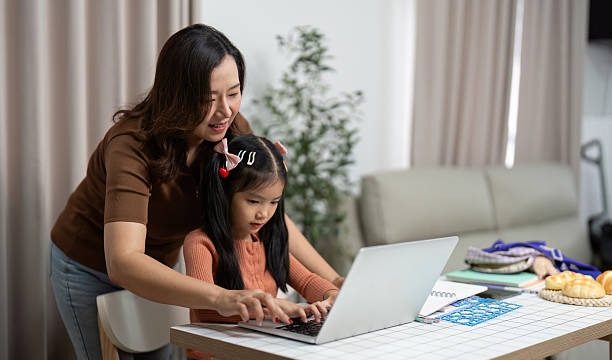
Another gentle shift toward inclusivity involves integrating technology into the learning process. Digital tools can provide personalized learning experiences that cater to various learning styles and paces. For instance, educational apps and online resources can offer tailored exercises that help students reinforce their understanding at their own speed. Embracing technology not only supports diverse learners but also prepares all students for a future where digital literacy is paramount.
While the journey toward inclusive education is filled with challenges, it is also rich with opportunities for growth and connection. Educators, families, and communities must work together to create environments where every child feels seen, heard, and accepted. This collaborative effort is akin to nurturing a garden where each plant—regardless of its size or shape—contributes to the beauty of the whole.
As we continue to shift our perspective on education, it’s essential to remain open-minded and compassionate. Each step taken toward inclusivity is a step toward a brighter future for all learners. By embracing diversity, we cultivate a culture of understanding that extends beyond the classroom and into the wider world. The values of empathy, respect, and collaboration learned through inclusive education can shape not only well-rounded individuals but also a more harmonious society.
In conclusion, the path to inclusive education is one of warmth, understanding, and shared responsibility. By recognizing the unique strengths of each student and fostering an environment of acceptance, we can create a rich tapestry of learning experiences that benefit everyone. As we walk this path together, let us embrace the beauty of diversity and work toward a future where every learner can thrive.