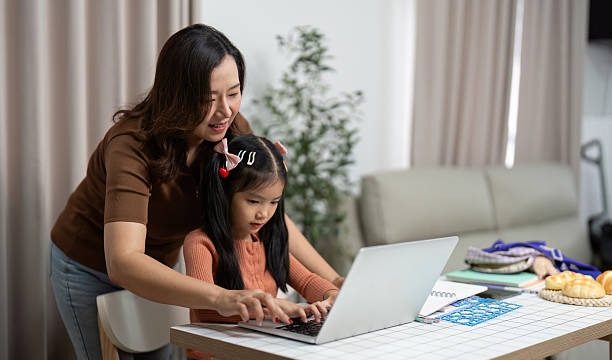
Special education is often seen through the lens of challenges and obstacles, but what if we shifted our perspective to focus on the incredible opportunities it presents? Every day in special education classrooms, teachers and students alike are engaged in a journey of building confidence, fostering independence, and nurturing unique talents.
This article explores the essence of special education that not only addresses learning differences but also empowers students to shine.
Creating a nurturing environment is the cornerstone of special education.
When children feel safe and valued, they are more likely to take risks, engage in their learning, and express themselves. Teachers in these settings often go above and beyond to create welcoming classrooms that celebrate diversity and encourage exploration. The atmosphere is a blend of acceptance and encouragement, where every student’s contribution is recognized and appreciated.
One of the most beautiful aspects of special education is the emphasis on individualized learning. Teachers tailor their approaches to meet the unique needs and strengths of each student. This personalized attention helps students to see their potential and realize that they are capable of achieving great things. By focusing on individual progress rather than comparing students to one another, educators help build a strong foundation of self-esteem and resilience.
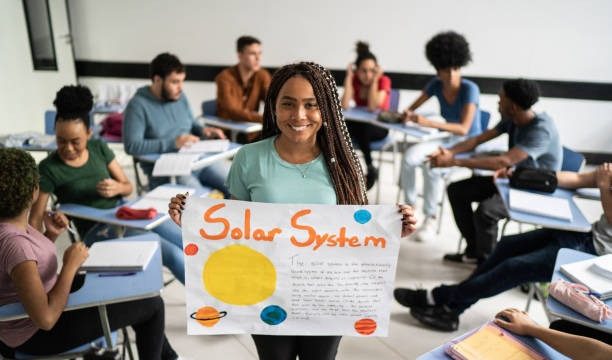
In these classrooms, small successes are celebrated with as much enthusiasm as larger milestones. Whether it’s mastering a new skill, making a new friend, or simply trying something new, each achievement is a stepping stone toward greater confidence. This positive reinforcement is crucial; it teaches students that their efforts matter and that they can overcome challenges with perseverance and support.
A small shift toward balance can also be found in the incorporation of social-emotional learning. Special education programs often include strategies to help students develop emotional intelligence and interpersonal skills. By learning to recognize their own feelings and those of others, students become more adept at navigating social situations. This not only enhances their relationships with peers but also fosters a sense of belonging—a fundamental aspect of building confidence.
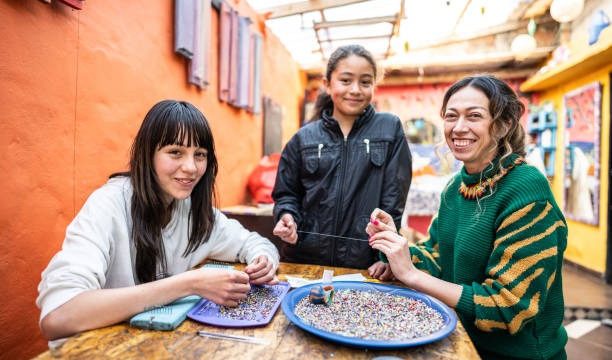
Artistic expression is another powerful tool in the special education toolbox. Many students find that creative outlets such as music, art, or drama allow them to communicate in ways that words sometimes cannot. These activities provide a safe space for self-expression, helping students to explore their identities and share their stories. The joy of creating something unique fosters a sense of pride and accomplishment, further boosting their confidence.
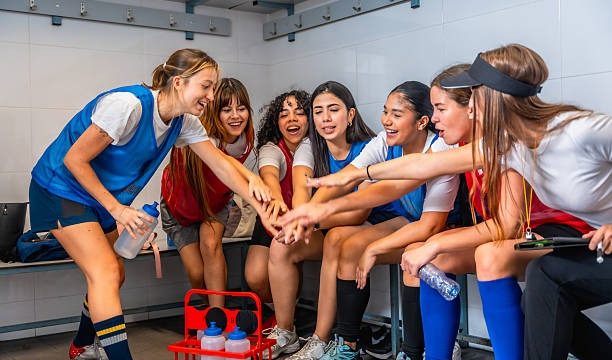
Collaboration is a vital component of special education. By working together—whether in small groups or through partnerships with peers—students learn valuable teamwork skills and develop a sense of camaraderie. These collaborative experiences not only enrich their learning but also reinforce the idea that they are part of a community. When students feel connected to their classmates and teachers, their self-esteem flourishes.
Family involvement is another key element in building confidence in special education. When families are engaged and supportive, students are more likely to thrive. Open communication between educators and families creates a partnership that reinforces the learning taking place in the classroom. It also allows families to celebrate their children’s progress, helping to instill a sense of pride and accomplishment at home.
As students grow and develop, the focus on life skills becomes increasingly important. Special education programs often incorporate practical skills training to prepare students for independence. From learning to manage personal hygiene to cooking simple meals, these lessons are invaluable. When students master these skills, they gain a sense of autonomy, which is a significant confidence booster. They begin to see themselves as capable individuals who can contribute to their own lives and the lives of others.
Technology also plays a transformative role in special education. Assistive technologies can empower students to engage with learning materials in ways that suit their individual needs. Whether it’s through speech-to-text software, interactive learning apps, or adaptive devices, technology can level the playing field, allowing students to showcase their abilities and express their thoughts and ideas more freely. The use of technology not only enhances learning but also builds confidence as students take ownership of their educational journey.
As we reflect on the essence of special education, it becomes clear that confidence is not just built through academic success. It is nurtured through relationships, creativity, and the development of life skills. It is about embracing differences and understanding that everyone has unique strengths to offer. In special education, students learn to value themselves and others, creating a foundation for a lifetime of self-assurance.
It’s important to remember that building confidence is a journey, not a destination. Each day brings new opportunities for growth and learning. In the world of special education, every step forward—no matter how small—is a reason to celebrate. The stories of resilience, creativity, and achievement are woven together to create a beautiful tapestry of human experience.
In conclusion, special education is a powerful force for good, fostering environments where confidence can flourish. By focusing on individual strengths, nurturing social-emotional skills, and celebrating every achievement, we can help students not only succeed academically but also grow into confident, capable individuals. This journey is not just about education; it’s about empowerment, acceptance, and the joy of discovering one’s potential. Through the lens of special education, we can see that confidence is built every day, one small triumph at a time.