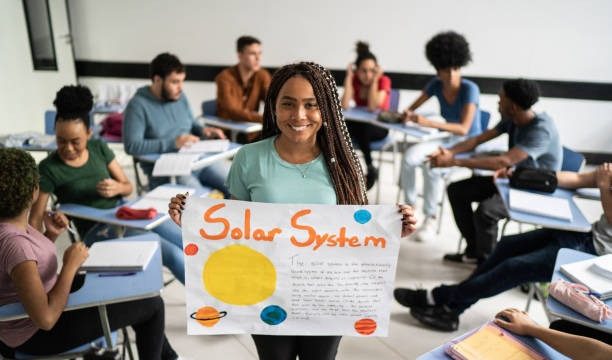
In today’s diverse world, every learner deserves to feel valued and capable, no matter their background, age, or ability.
Education is not merely about acquiring knowledge; it’s also about nurturing self-esteem and fostering a sense of belonging.
When we create an environment where learners feel appreciated, they are more likely to engage wholeheartedly, explore their potential, and thrive.
A small shift toward connection can create a significant impact. It begins with recognizing that each learner brings unique experiences and perspectives to the table. By acknowledging these differences, educators and peers can cultivate a rich tapestry of insights that enhances the learning experience for everyone involved. This sense of connection isn’t just beneficial for the learners; it enriches the entire classroom community, fostering a culture of mutual respect and understanding.
Creating a nurturing environment starts with simple gestures. A smile, a kind word, or a moment of genuine interest can go a long way. When learners feel seen and heard, they are more inclined to express themselves and share their thoughts. It’s essential to encourage open dialogues where every voice matters. This can be as simple as inviting all students to participate in discussions, ensuring that quieter individuals have the opportunity to contribute in ways that feel comfortable for them.
The role of encouragement cannot be overstated. Celebrating small victories, whether academic or personal, helps reinforce a sense of capability. This could be as straightforward as recognizing a learner’s effort in a project, emphasizing the process over the outcome. When learners understand that their hard work is acknowledged, they are more likely to take risks and embrace challenges. This encouragement builds resilience, a vital trait that empowers individuals to persist in the face of difficulties.
Fostering a growth mindset is another essential aspect of helping every learner feel valued. Emphasizing that abilities can be developed through dedication and hard work can transform how learners perceive their potential. Instead of viewing mistakes as failures, they can be reframed as opportunities for growth. This mindset shift encourages learners to embrace challenges with enthusiasm, knowing that each step forward, even if it comes with setbacks, contributes to their overall development.
Another crucial element is the importance of tailored support. Every learner has distinct needs and learning styles, and recognizing this diversity is vital. Educators and peers can offer personalized guidance, whether through one-on-one mentoring, group work, or alternative learning resources. When learners receive support that resonates with their individual strengths and challenges, they are more likely to feel empowered and capable of achieving their goals.
Incorporating creativity into the learning process can also enhance a learner’s sense of value. Artistic expression, storytelling, and hands-on projects allow individuals to showcase their talents and perspectives in unique ways. When learners engage with material creatively, they often find personal connections to the content, making it more meaningful and memorable. This approach not only enriches the learning experience but also affirms each learner’s unique contributions.
Building a community of support is essential as well. Encouraging collaboration among learners fosters relationships that can lead to lasting friendships and a supportive network. Group projects, study sessions, and peer-to-peer learning opportunities can help create a sense of camaraderie. When learners support one another, they reinforce the idea that they are not alone in their journey, which can greatly enhance their confidence and willingness to take risks.
The physical environment in which learning takes place also plays a significant role in how valued learners feel. A warm, inviting space filled with resources that reflect the diversity of the learners can create a sense of belonging. This can be achieved through inclusive materials, decorations that celebrate various cultures, and flexible seating arrangements that promote collaboration. An environment that feels safe and welcoming encourages learners to express themselves freely.
Listening actively is another essential skill that contributes to creating a supportive learning environment. When educators and peers genuinely listen to learners’ thoughts and concerns, it fosters trust and respect. Active listening involves not just hearing words but also understanding the emotions and intentions behind them. This practice helps learners feel validated and encourages them to share their ideas and feelings without fear of judgment.
As we navigate the complexities of education, it’s important to remember that every learner is on their own journey. Some may progress rapidly, while others may face challenges that require additional time and support. Patience and understanding are crucial in this process. By allowing each individual to move at their own pace, we empower them to embrace their unique path, fostering a deeper sense of confidence and self-worth.
Ultimately, helping every learner feel valued and capable is a shared responsibility. It requires commitment from educators, peers, families, and the broader community. When we collectively work toward creating an inclusive and supportive atmosphere, we lay the foundation for a brighter future. A future where every learner not only feels valued but also recognizes their potential to contribute meaningfully to the world around them.
In conclusion, fostering an environment where every learner feels valued and capable is a journey of connection, encouragement, and understanding. By embracing diversity, celebrating individuality, and nurturing growth, we can create a landscape of learning that empowers all. As we move forward, let us remember the profound impact our words and actions can have on one another, shaping the experiences of learners today and inspiring the leaders of tomorrow. Together, we can cultivate a culture of appreciation and capability, transforming the educational experience into one that uplifts every learner.