Encouraging creativity in special education is a beautiful journey that can enrich the lives of both students and educators alike.
Creativity, in its many forms, serves as a bridge to self-expression, understanding, and connection.
For students with diverse learning needs, fostering this creativity can be particularly transformative, creating an environment where they feel valued and empowered.
Every child deserves the chance to express themselves, and for many students in special education, traditional methods of communication may not fully capture their thoughts and feelings. This is where creative outlets come into play. Whether through art, music, drama, or storytelling, these forms of expression can provide students with an opportunity to share their inner worlds in ways that words may not always allow.
Creating a nurturing environment is essential for encouraging creativity. A classroom filled with warmth and acceptance can help students feel safe to explore their imaginations. When educators demonstrate genuine enthusiasm for creative activities, it sets a positive tone. Students often mirror the energy of their teachers, so a supportive and encouraging demeanor can spark curiosity and innovation.
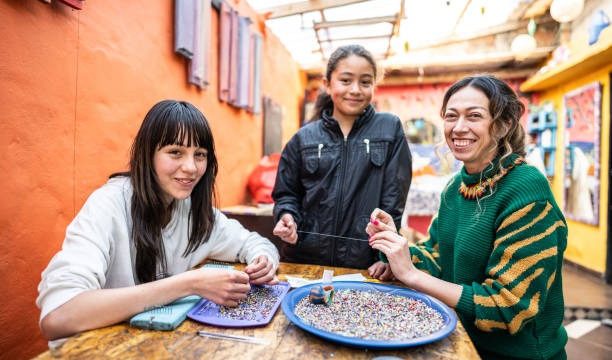
Incorporating various creative activities into the curriculum can be a delightful way to engage students. Art projects, for example, allow for exploration without the pressure of right or wrong answers. Painting, drawing, or crafting can provide a sensory experience that is both soothing and stimulating. It’s important to remember that the process of creating is often more valuable than the final product. Celebrating each student’s unique approach and perspective fosters a sense of accomplishment and pride.
Music can also be a powerful tool for creativity. It has the ability to transcend verbal communication and connect individuals on a deeper level. Activities such as singing, playing instruments, or even creating simple rhythms can engage students and enhance their cognitive and emotional development. Music can create a joyful atmosphere, encouraging students to let go of inhibitions and immerse themselves in the experience.
Drama and role-play offer another dimension to creative expression. These activities can help students explore different scenarios and emotions in a safe space. By stepping into various roles, students can practice social skills, gain empathy, and develop confidence. Drama encourages collaboration and communication, allowing students to connect with one another in meaningful ways.
Storytelling is yet another avenue to explore creativity. Whether through writing, oral storytelling, or using visual aids, students can share their narratives and perspectives. Storytelling not only enhances language skills but also promotes imagination. Encouraging students to create their own stories allows them to express their experiences and feelings, fostering a sense of belonging and validation.
Creating a flexible environment that accommodates individual learning styles is crucial in special education. Each student brings a unique set of strengths and challenges, and recognizing these differences can help tailor creative opportunities. Providing choices in activities allows students to engage in what resonates with them personally. For instance, some may prefer visual arts, while others might find solace in music or drama. Giving students the freedom to choose can ignite their passion and enthusiasm.
Collaboration among peers can also enhance creativity. Group projects encourage students to work together, share ideas, and build on each other’s strengths. This collaborative spirit nurtures relationships and helps students learn from one another. The supportive bonds formed during these activities can lead to lasting friendships, creating a sense of community within the classroom.
In addition to fostering creativity within the classroom, it’s equally important to connect with families and the broader community. Encouraging students to share their creative works with loved ones can enhance their sense of pride and accomplishment. Community events, art shows, or performances can provide a platform for students to showcase their talents, further validating their efforts and encouraging them to continue expressing themselves.
As educators, it’s vital to model creativity in our own lives. Sharing personal creative pursuits can inspire students and demonstrate that creativity is a lifelong journey. When students see their teachers engaging in artistic activities, they may feel more inclined to explore their own creative paths. This shared experience can break down barriers and foster a sense of camaraderie.
The journey of encouraging creativity in special education is not without its challenges. There may be moments of frustration or hesitation, but it’s essential to approach these situations with patience and understanding. Every small step counts, and celebrating progress—no matter how minor—can help build momentum. Encouraging a growth mindset within students allows them to see the value in effort and persistence.
Ultimately, the goal is to create an environment where creativity thrives, where students feel free to express themselves without fear of judgment. This nurturing atmosphere can lead to increased self-esteem, improved social skills, and a greater sense of belonging. Encouraging creativity in special education is not merely about fostering artistic skills; it is about nurturing the whole child—emotionally, socially, and cognitively.
As we embark on this journey of creativity, let us remember that each student is a unique individual with their own story to tell. Supporting their creative expression is a gift that can lead to profound personal growth and joy. By fostering an environment of creativity, we are not only enriching the educational experience but also nurturing the hearts and minds of our students, helping them to shine brightly in their own unique ways.